
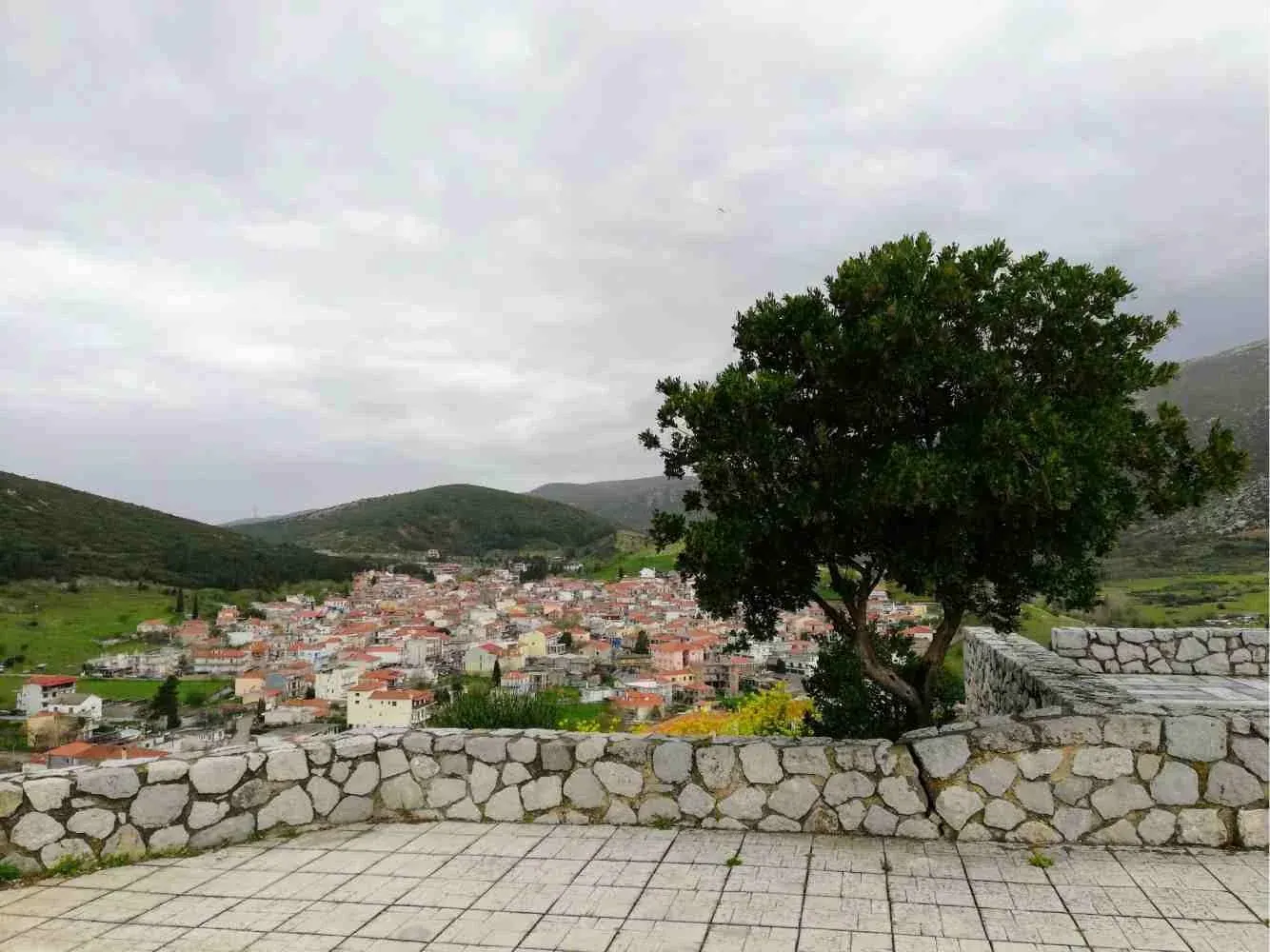
Distomo: A Village of Memory and Resilience
Visit Distomo near Livadia: a village of memory marked by the 1944 Nazi massacre, with the Museum of the Victims of Nazism, the Mausoleum and living local life.
Explore the guide ↓Distomo is a village of memory. On 10 June 1944, units of the Waffen-SS carried out the massacre of 218 civilians here in a reprisal action during the German occupation of Greece. The village rebuilt afterward, and today it carries its history with quiet dignity alongside the ordinary rhythms of local life.
The Massacre of 1944
The massacre at Distomo was among the worst atrocities committed against Greek civilians during the Second World War. Men, women and children were killed, and much of the village was burned. The event remains part of the broader history of Nazi reprisal actions in occupied Europe, and the question of historical accountability remains unresolved to this day.
The Museum and Mausoleum
The Museum of the Victims of Nazism and the Mausoleum in Distomo are not dramatic or spectacular sites — they are places of quiet, necessary remembrance. A visit requires appropriate emotional and intellectual preparation; this is not a casual sightseeing stop.
Visiting with Respect
Approach Distomo with the same quiet attention you would give any wartime memorial. The village is a living community — locals go about their daily lives alongside the memorial sites — so unobtrusive, respectful behaviour matters throughout the visit.
Context Within the Wider Route
Distomo is most naturally visited as part of the Hosios Loukas–Distomo–Antikyra route, where the emotional weight of the visit is balanced by Byzantine art beforehand and the sea afterward.
Remember With Care
Distomo asks something different of its visitors than most stops in this guide. It is a village that rebuilt itself after profound loss, and its memorial sites deserve the same quiet attention you would bring to any place of remembrance. Visiting here, briefly and respectfully, is part of understanding the fuller history of this region.
A village that carries its history with quiet, enduring dignity.
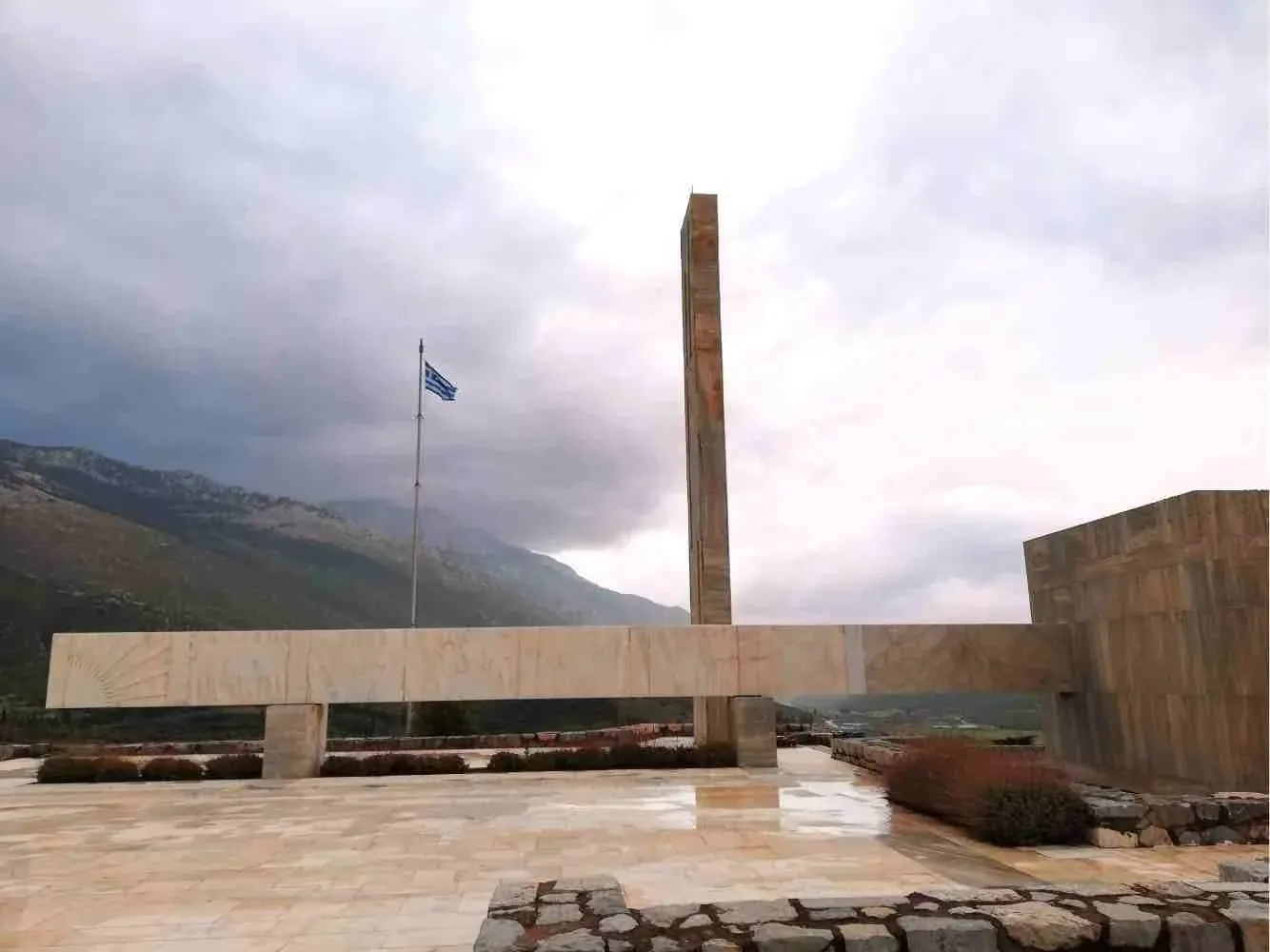
 Distomo · destination photograph
Stay in Distomo
If your itinerary includes an overnight stop in Distomo, compare these local listings.
Find stays in Distomo on Agoda →We may earn a commission from bookings through these links.
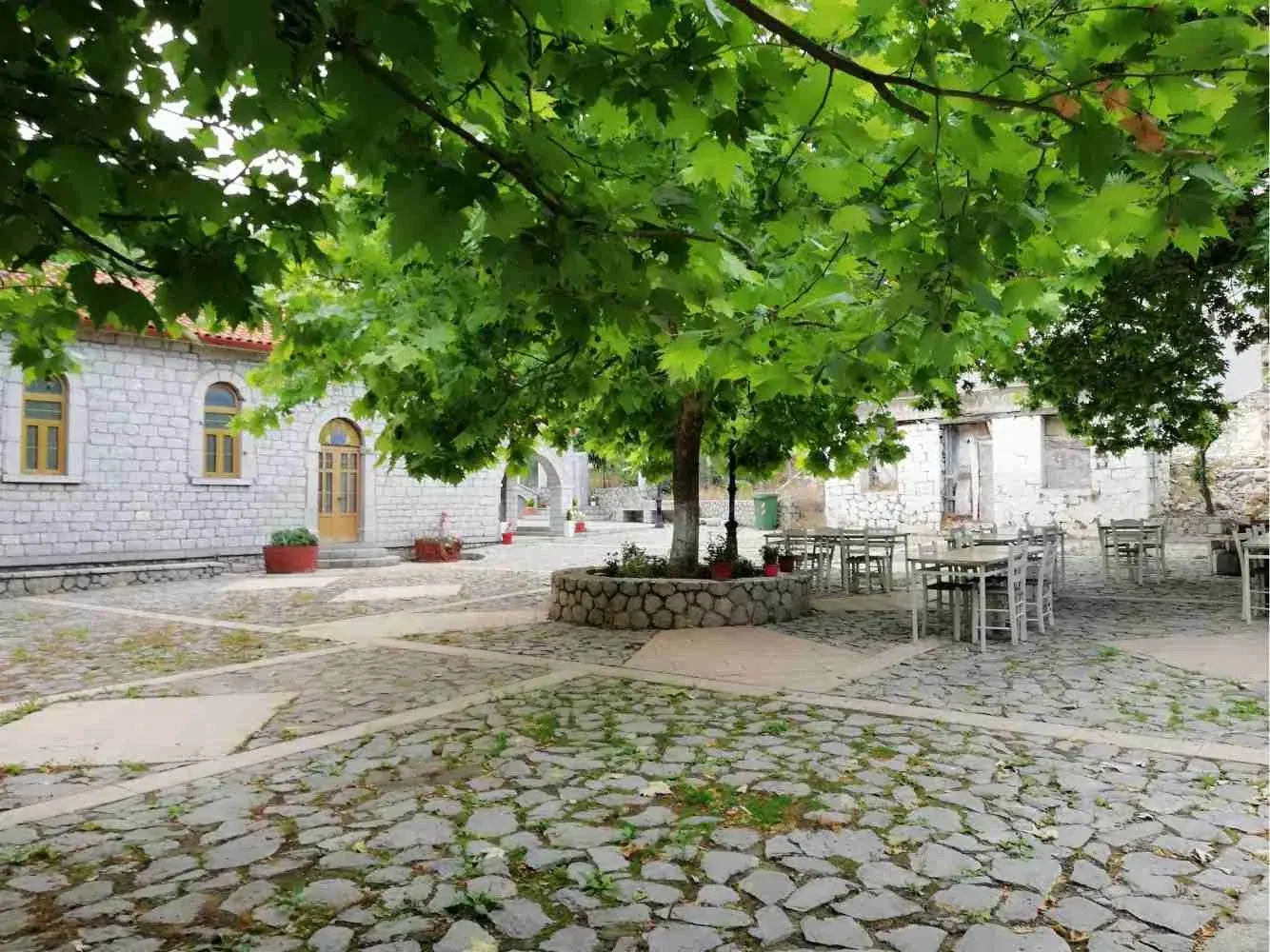
Discover Agia Anna
Explore another village in the Mount Helicon section of this guide.
Explore Agia Anna →Keep exploring
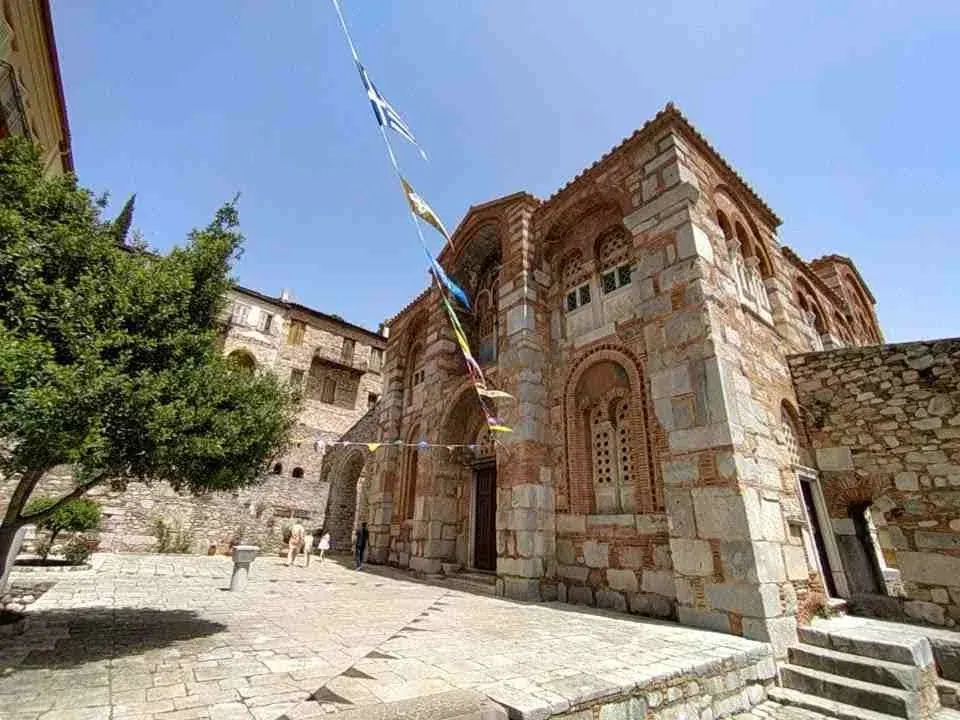
Hosios Loukas Monastery
Explore the guide →Hosios Loukas, Distomo and Antikyra Route
Explore the guide →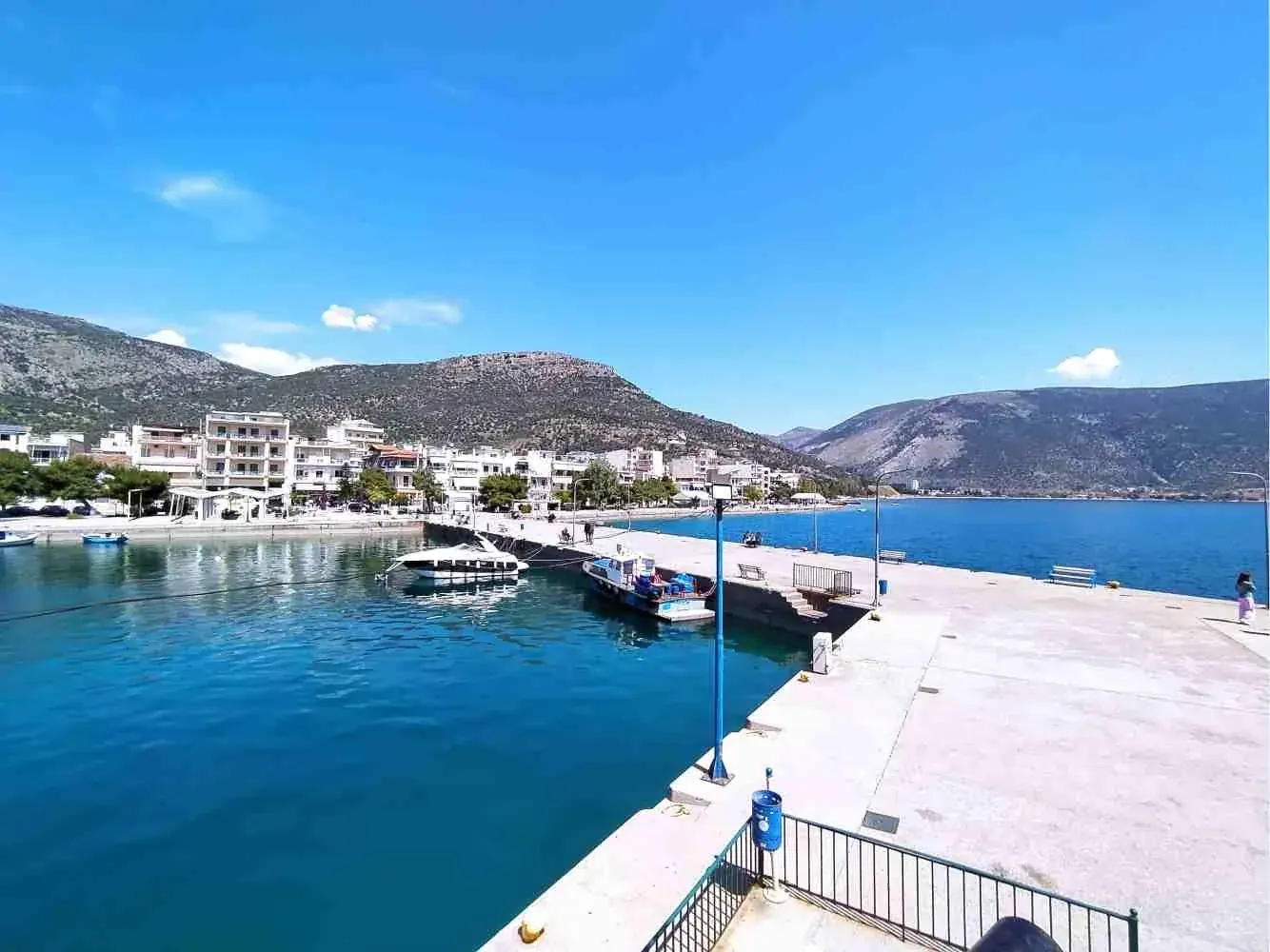
Antikyra: The Sea Escape near Livadia
Explore the guide →
The Mountain-to-Sea Route
Explore the guide →
Practical Travel Guide to Livadia
Explore the guide →Visit Livadia · Rivers, food and stories of Central Greece