
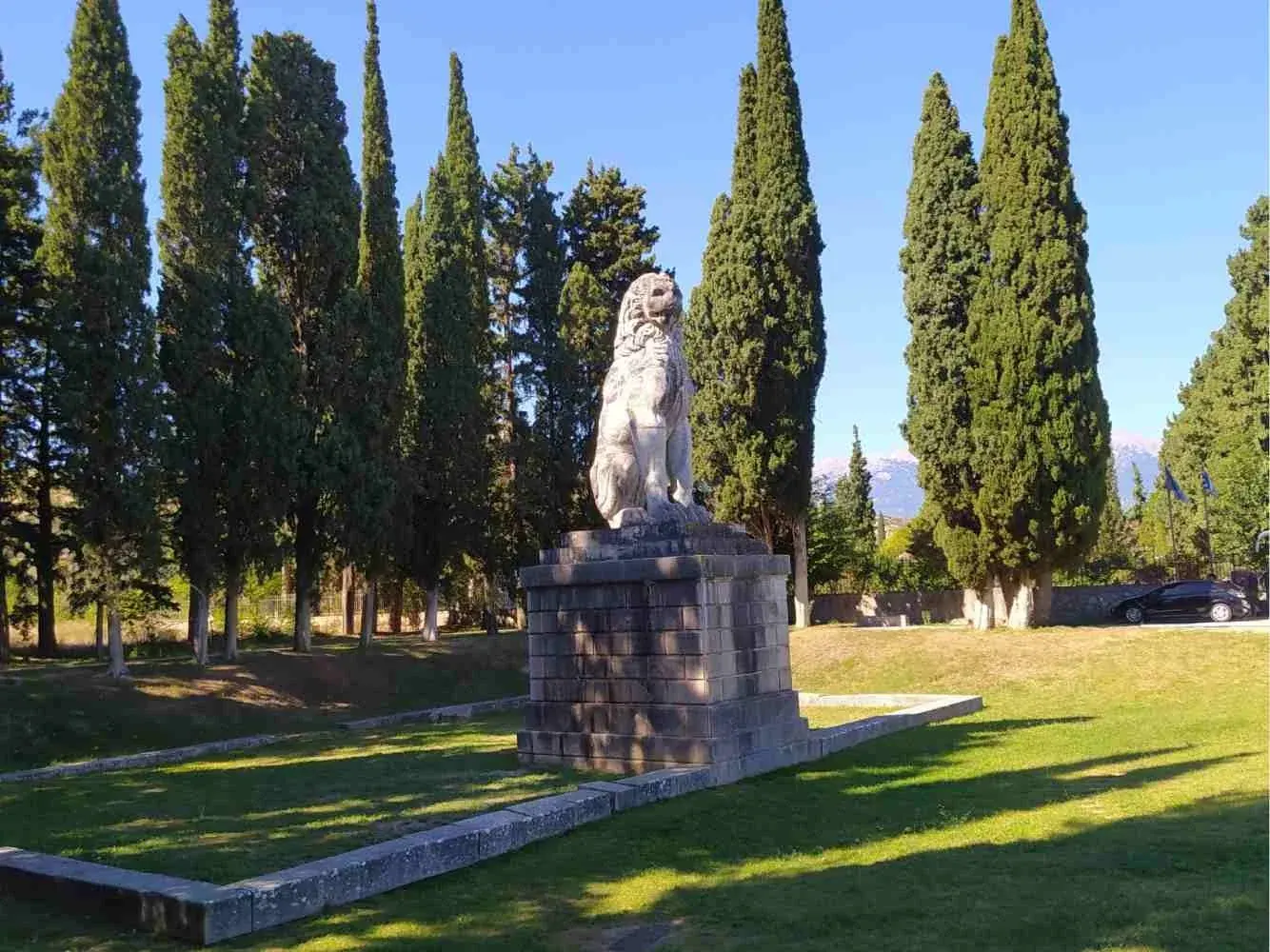
The Lion of Chaeronea and the Sacred Band of Thebes
Visit the Lion of Chaeronea near Livadia and understand its connection with the Sacred Band of Thebes, the battle of 338 BC and Greek historical memory.
Explore the guide ↓The Lion of Chaeronea marks the common tomb traditionally associated with the Sacred Band of Thebes — the elite Theban force defeated at the battle of Chaeronea in 338 BC. Ancient and modern accounts describe more than 250 of its members buried at the site, with excavation reports citing 254 skeletons recovered beneath the monument. It is one of the most moving war memorials surviving from the ancient world.
The Sacred Band
The Sacred Band of Thebes was an elite military unit of 300 men — according to ancient tradition, 150 pairs of lovers — whose bond of mutual devotion was believed to produce unbreakable battlefield courage. They had been the finest fighting force in Greece, undefeated for decades, until Chaeronea. There, surrounded and outnumbered, they died exactly where they stood rather than retreat.
The Battle Itself
At Chaeronea, Philip II of Macedon and his son Alexander defeated the combined forces of Athens and Thebes. The Sacred Band’s stand became the defining image of the battle’s cost, even as the wider Greek world’s independence ended around them.
Discovery of the Monument
Excavations beneath the Lion monument in 1879 uncovered a mass grave of 254 skeletons arranged in rows, widely identified with the Sacred Band, lending physical support to the ancient accounts of their fate. The Lion itself — a massive stone figure originally set atop a podium — has since been reconstructed and now stands directly over the burial site.
What the Lion Means
The monument is not dramatic in any conventional tourist sense, but it carries genuine weight for visitors who understand what lies beneath it: the end of one era of Greek independence, marked by an act of collective, unflinching courage.
Stand Before the Sacred Band’s Final Stand
The Lion of Chaeronea is not a dramatic monument from a distance, but standing beside it, above the mass grave of the Theban Sacred Band, its meaning becomes unmistakable. This is a memorial to courage at the exact point where one era of Greek history closed and another began.
Three hundred men, undefeated until the day they chose not to retreat.

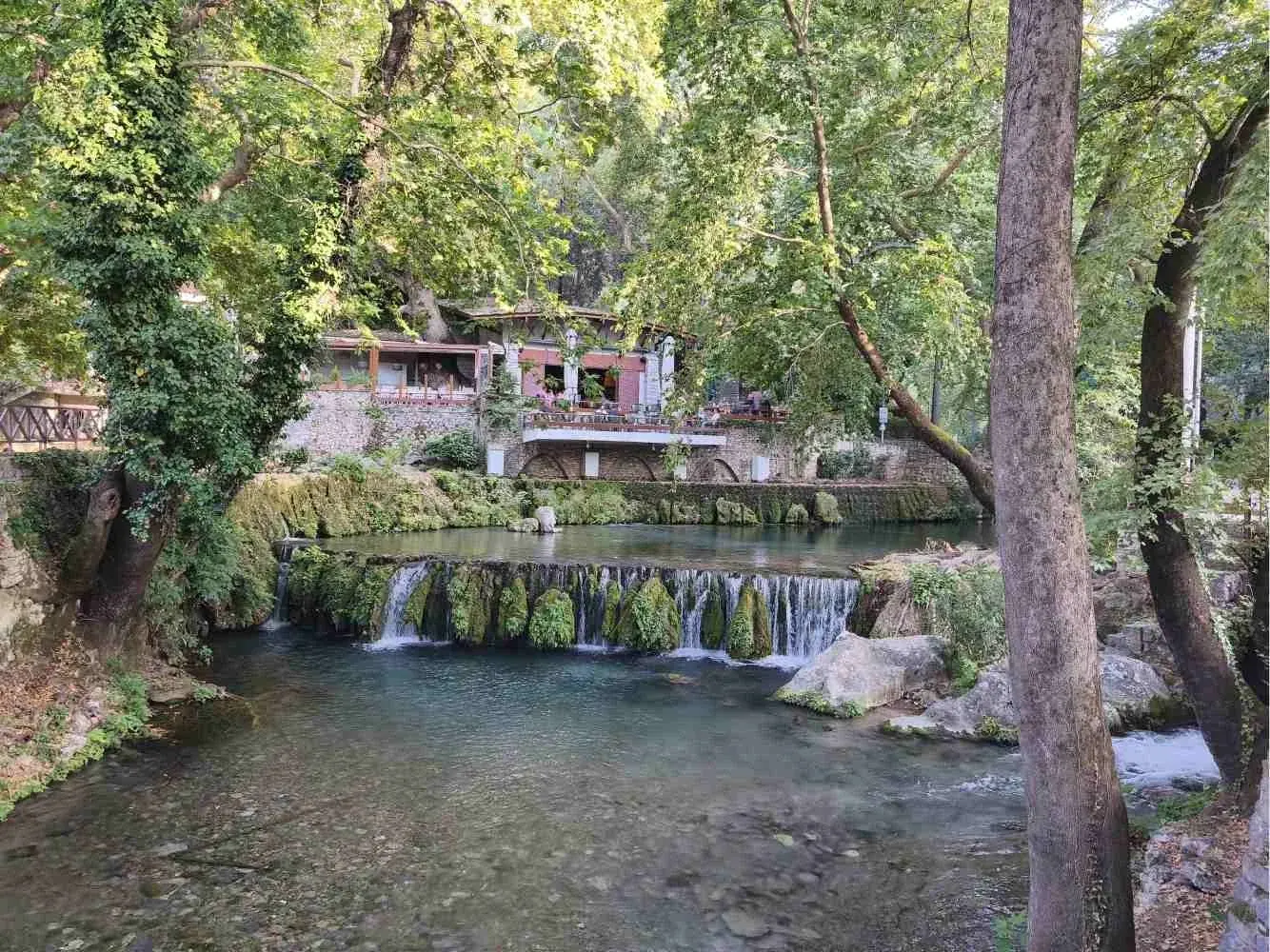
Follow the water in Krya
Plan a riverside walk during your time in Livadia.
Explore Krya →Keep exploring
Chaeronea from Livadia
Explore the guide →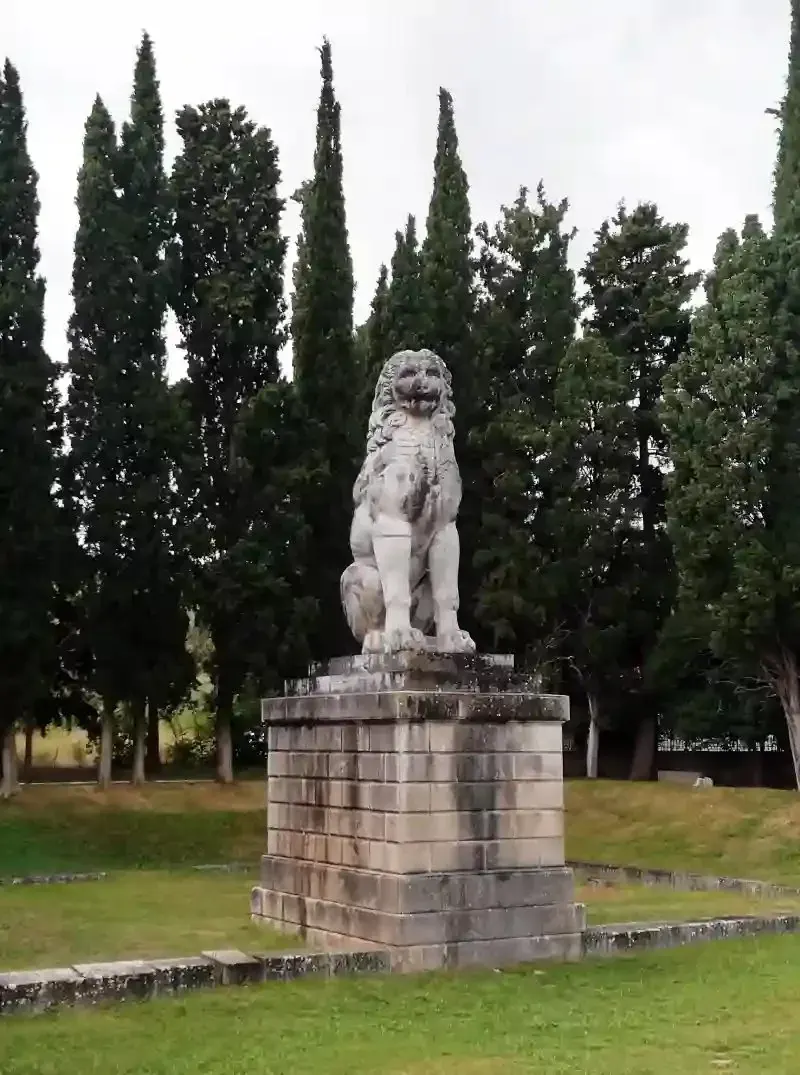
Plutarch’s Chaeronea
Explore the guide →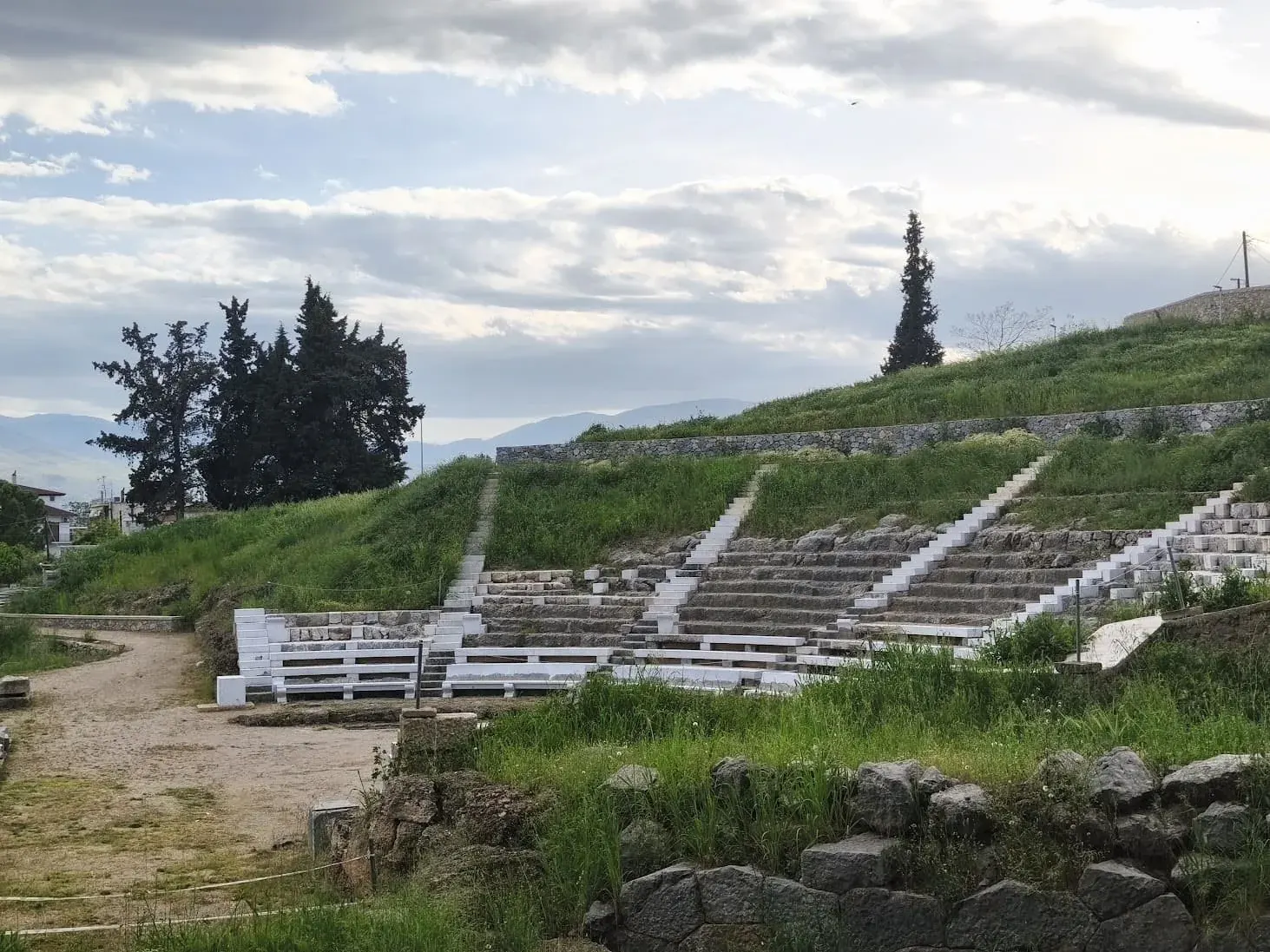
The Ancient Boeotia Route
Explore the guide →
Orchomenos from Livadia
Explore the guide →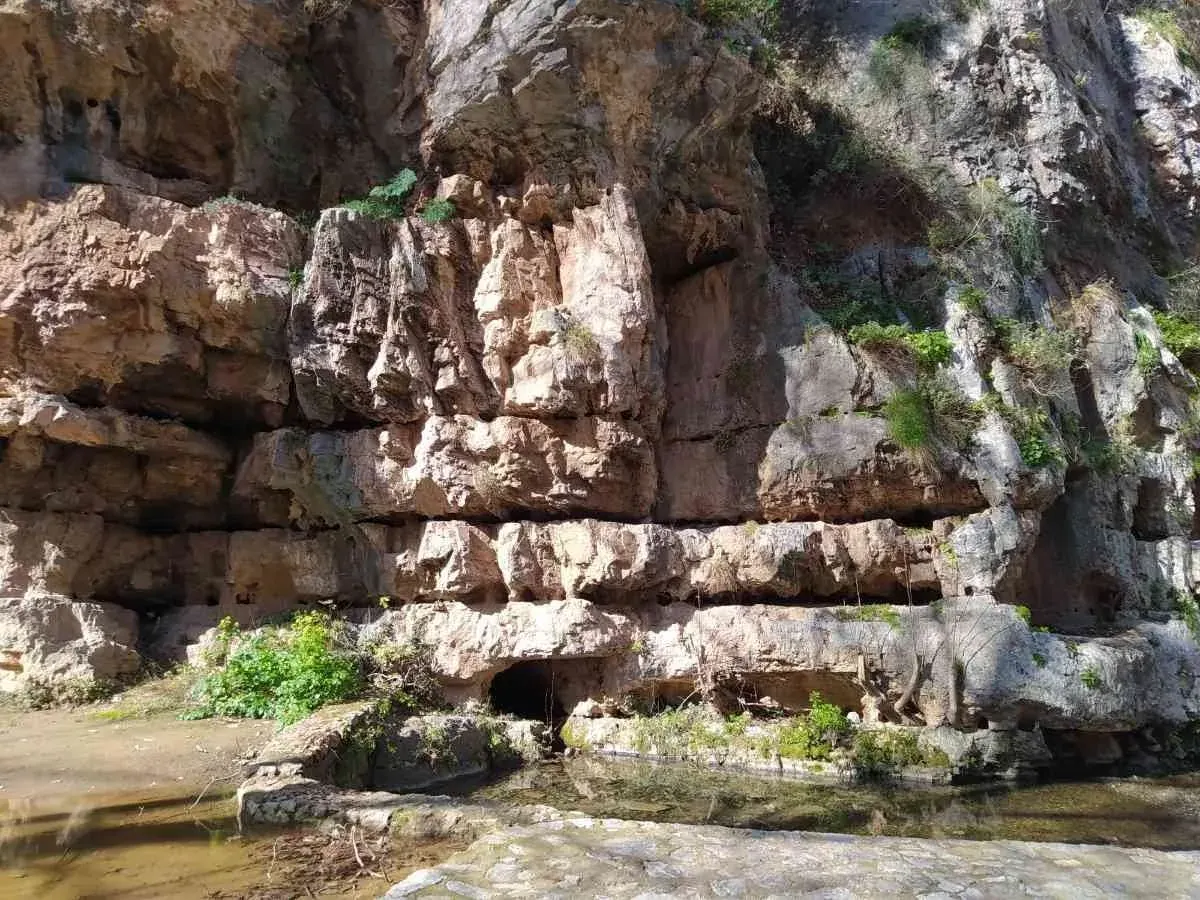
Myth vs History in the Livadia Region
Explore the guide →Visit Livadia · Rivers, food and stories of Central Greece