
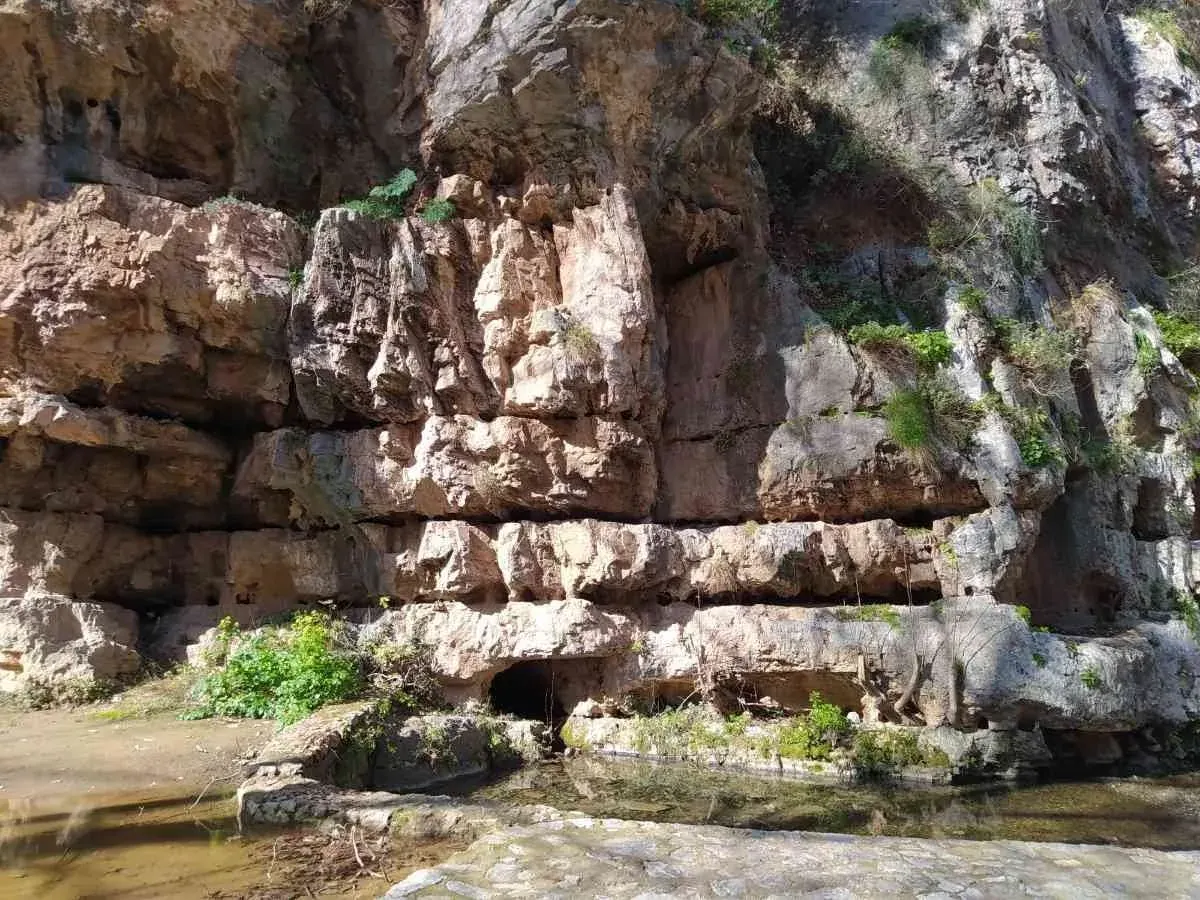
Myth vs History in the Livadia Region
Understand what is myth, history, tradition and interpretation around Livadia, Orchomenos, Helicon, Chaeronea and Central Greece.
Explore the guide ↓The landscape around Livadia carries multiple layers of meaning that demand different kinds of reading. History, myth, tradition and interpretation are distinct categories but constantly overlapping — and a responsible travel guide should help visitors navigate carefully between them.
History
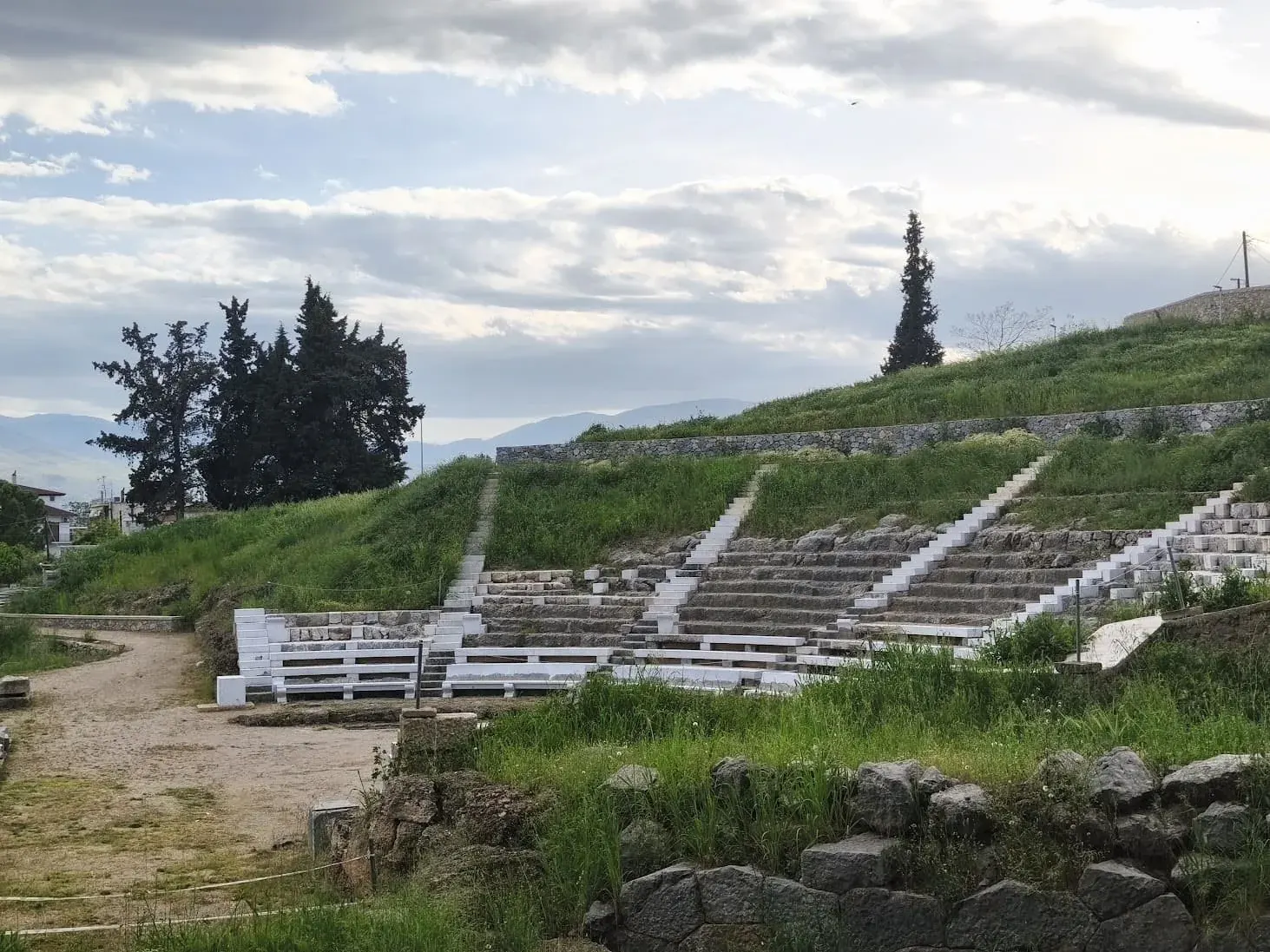
History refers to events and phenomena supported by material or documentary evidence. The battle of Chaeronea in 338 BC is history, attested by multiple ancient sources and physical remains. The Byzantine construction of Panagia Skripou in 874 AD is history, attested by the building itself and its inscriptions. The Mycenaean Treasury of Minyas is history, supported by direct material evidence of a Bronze Age culture.
Myth
Myth belongs to a different register entirely: symbolic narrative, cultural imagination, religious meaning. The Oracle of Trophonios described by the ancient traveller Pausanias is historical fact in the sense that the ritual existed and was consulted. The mythology of Trophonios as a hero-god, however, is myth — a symbolic story that helped ancient people make sense of an uncanny experience of underground darkness and revelation.
Tradition and Interpretation
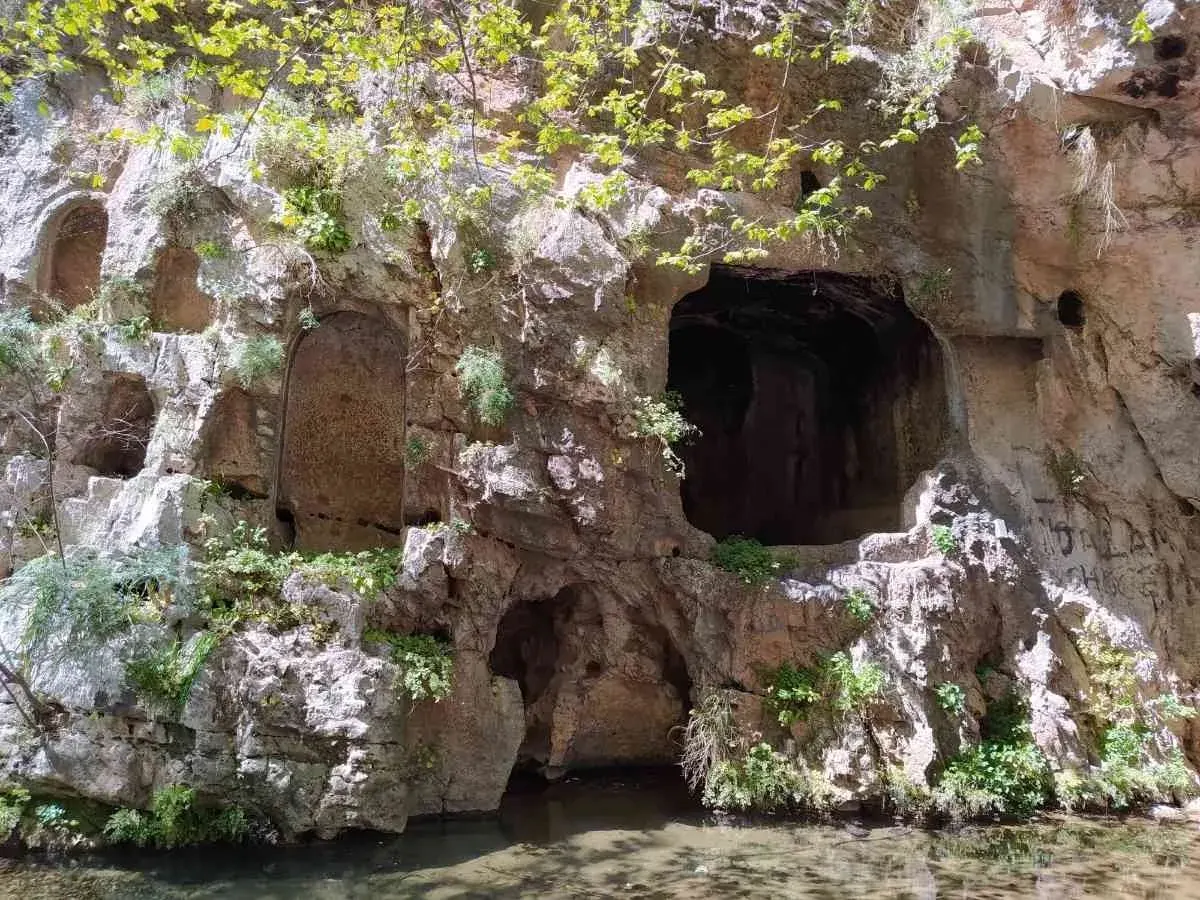
Tradition includes local or religious memory that may not be historically verifiable but still carries genuine cultural weight — the ancient literary association of springs with Memory and Forgetfulness recorded by Pausanias, for instance, which should not be read as a confident modern topographic identification. Interpretation connects evidence, landscape and meaning without claiming false certainty: a guide might reasonably suggest that carved niches in a gorge wall were used for votive offerings, while acknowledging this remains plausible rather than proven.
Why This Matters
A responsible engagement with the Livadia landscape means holding all four layers simultaneously — neither dismissing myth as irrelevant nor presenting it as settled historical fact. The result is a richer, more honest, and ultimately more intellectually satisfying experience of a genuinely remarkable place.
Learn to Read the Landscape on Its Own Terms
Understanding Livadia and its surroundings means holding history, myth, tradition and interpretation together rather than collapsing them into one another. The result is a richer, more honest encounter with a genuinely layered landscape.
The best way to read this landscape is to stop demanding it choose between myth and fact.
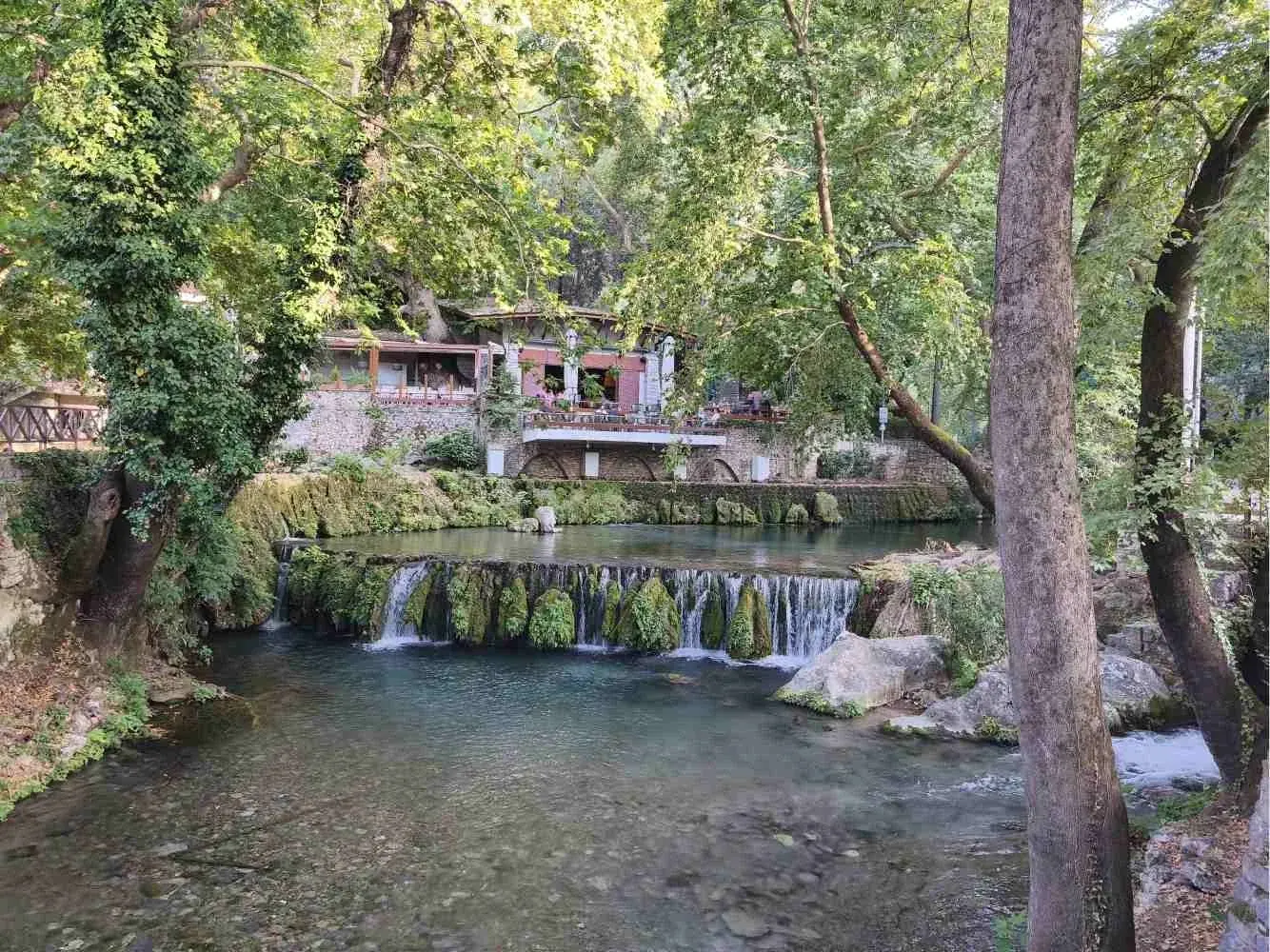
Follow the water in Krya
Plan a riverside walk during your time in Livadia.
Explore Krya →Keep exploring
Livadia and Mythology
Explore the guide →The Oracle of Trophonios in Livadia
Explore the guide →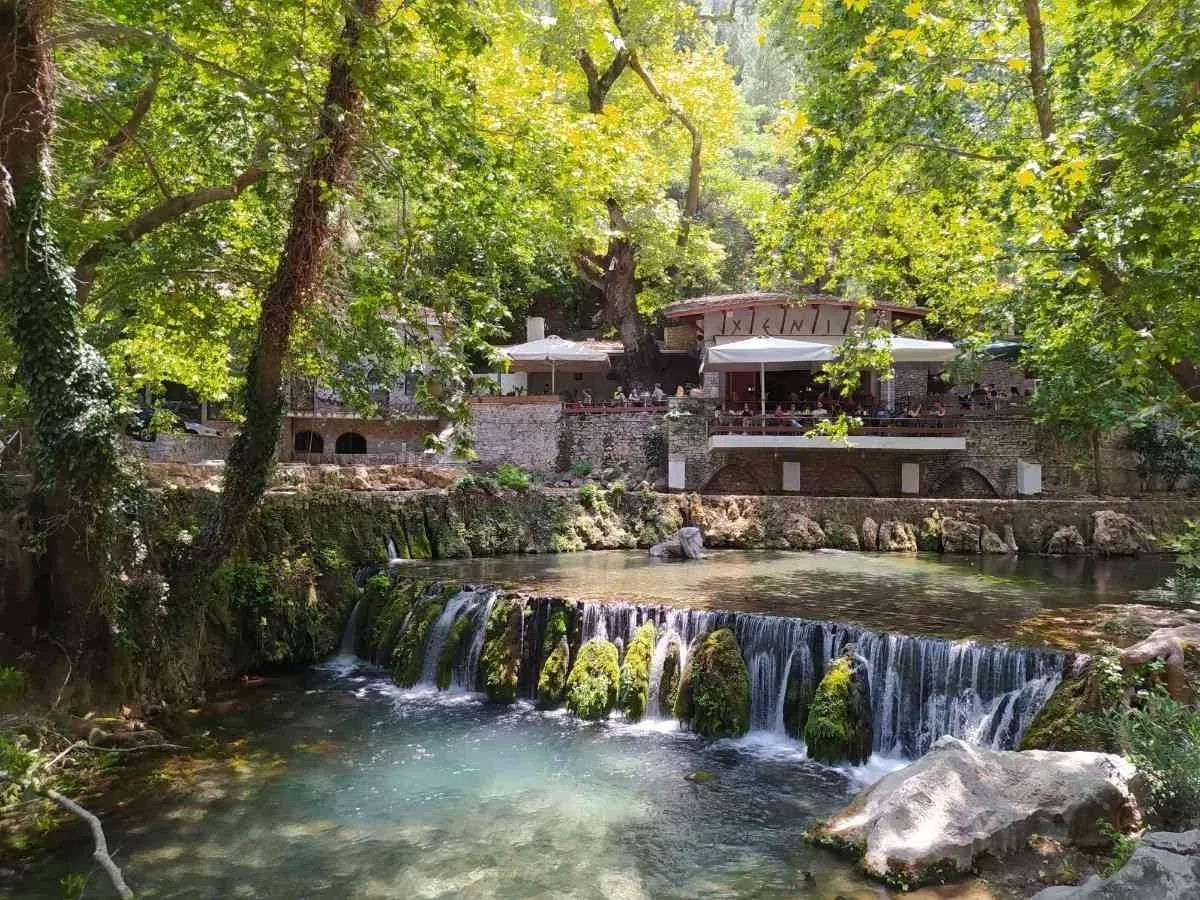
Sacred Waters of Boeotia
Explore the guide →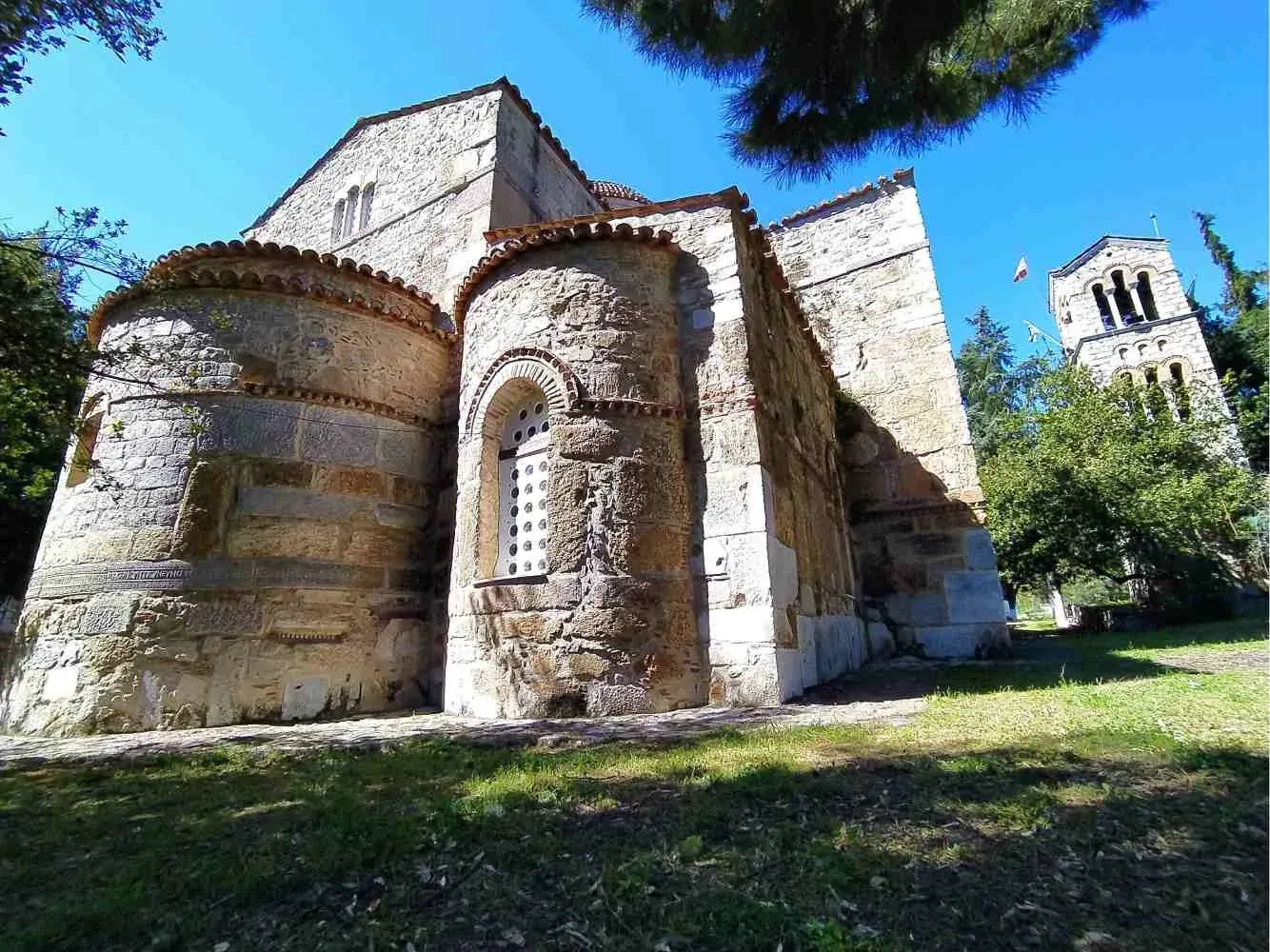
Orchomenos from Livadia
Explore the guide →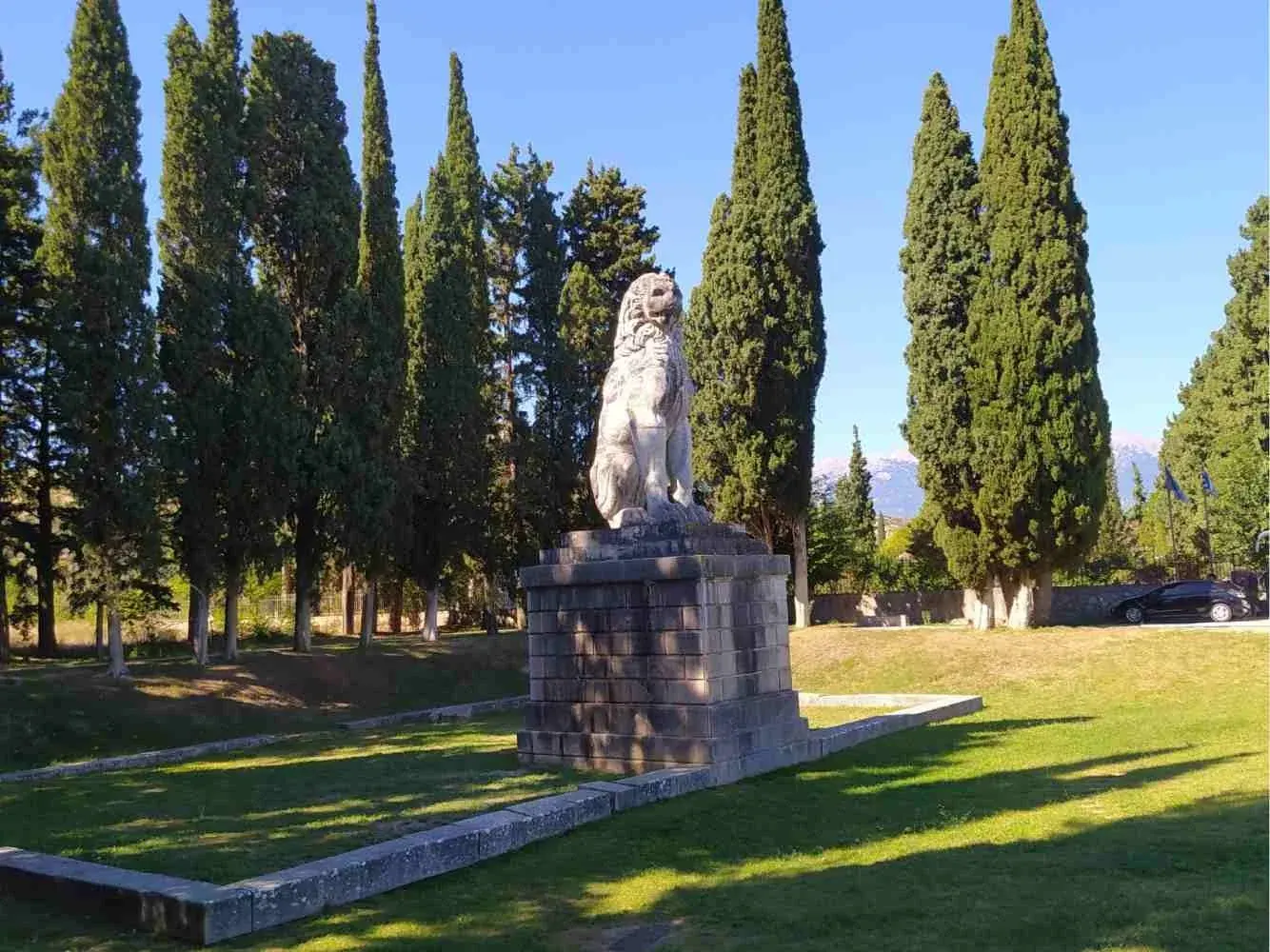
Chaeronea from Livadia
Explore the guide →Visit Livadia · Rivers, food and stories of Central Greece