
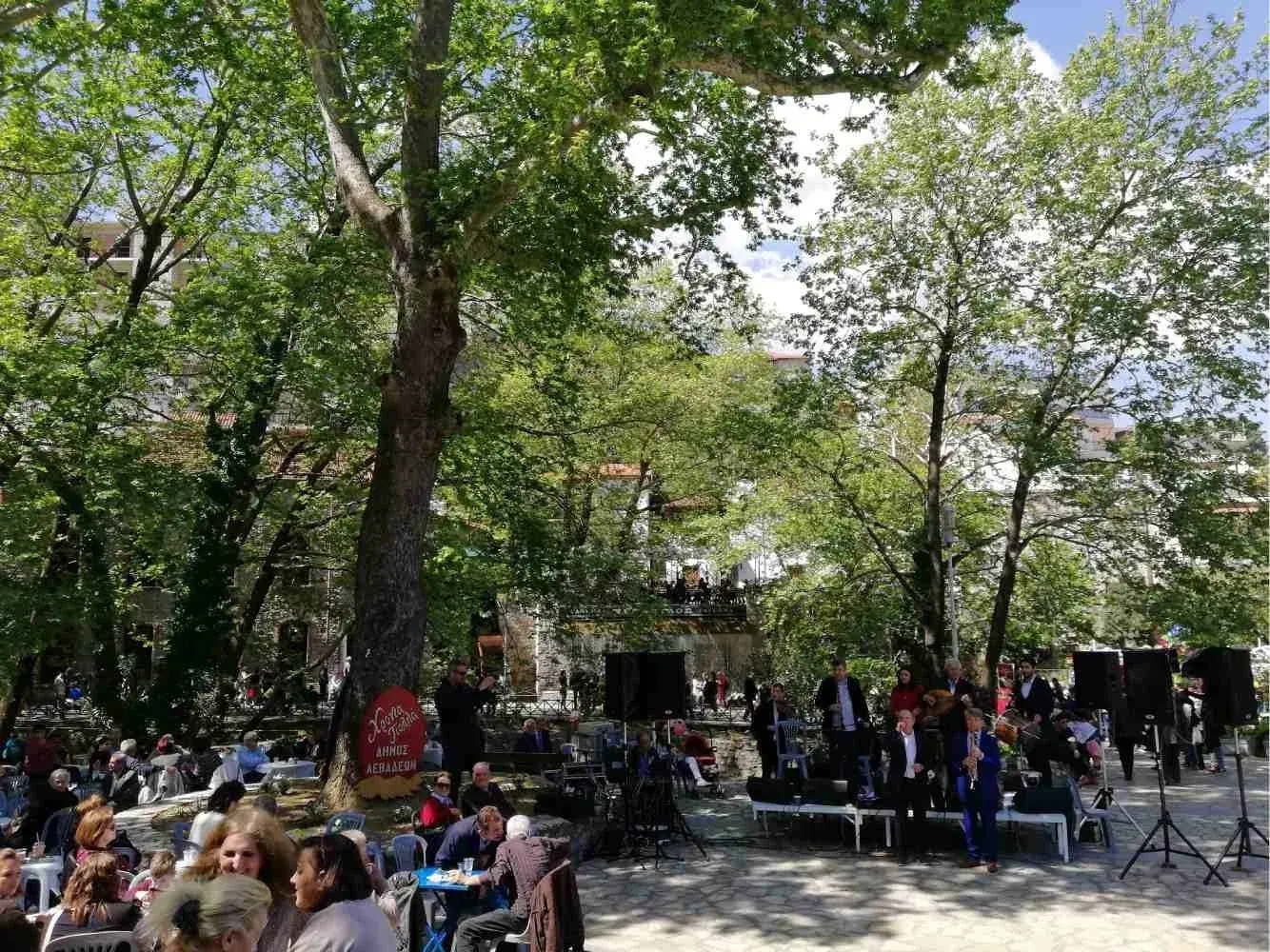
Songs, Dances and Roumeli Identity
Listen for the place names in Livadia’s folk-song repertoire: the town, its ravine and its cafes become settings for memory and storytelling. Songs and dances connect celebrations with the everyday places you can explore on foot.
Explore the guide ↓Listen for the place names in Livadia’s folk-song repertoire: the town, its ravine and its cafes become settings for memory and storytelling. Songs and dances connect celebrations with the everyday places you can explore on foot.
Livadia in Song
Collected songs include Omorfi pou ’n’ i Livadeia and Sti Livadeia sti rematia. They offer a way to hear how the town is imagined and remembered. Folk lyrics carry poetic voices and traditional stories; they should not be read as documentary accounts of historical events.
Music Around the Table
Easter gatherings combine shared food with live music and dancing. Watch how musicians and dancers respond to one another, and let the occasion set the pace. Each gathering has its own repertoire and character.
Find a Performance or Celebration
Look for local cultural-association events and the Trophonia programme, or plan around an announced festival or feast-day celebration. Confirm the venue, date and admission arrangements before travelling.
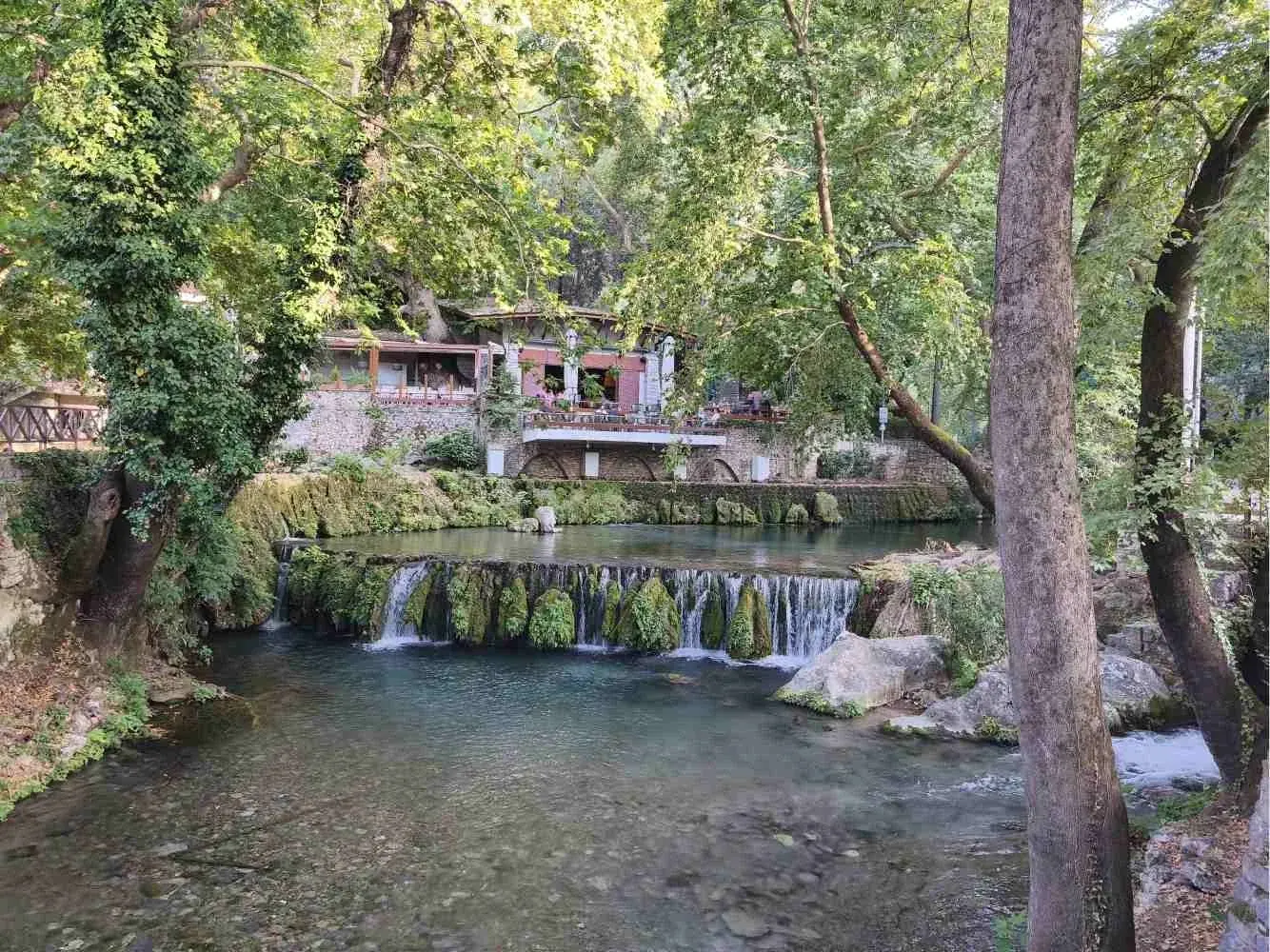
Follow the water in Krya
Plan a riverside walk during your time in Livadia.
Explore Krya →Keep exploring
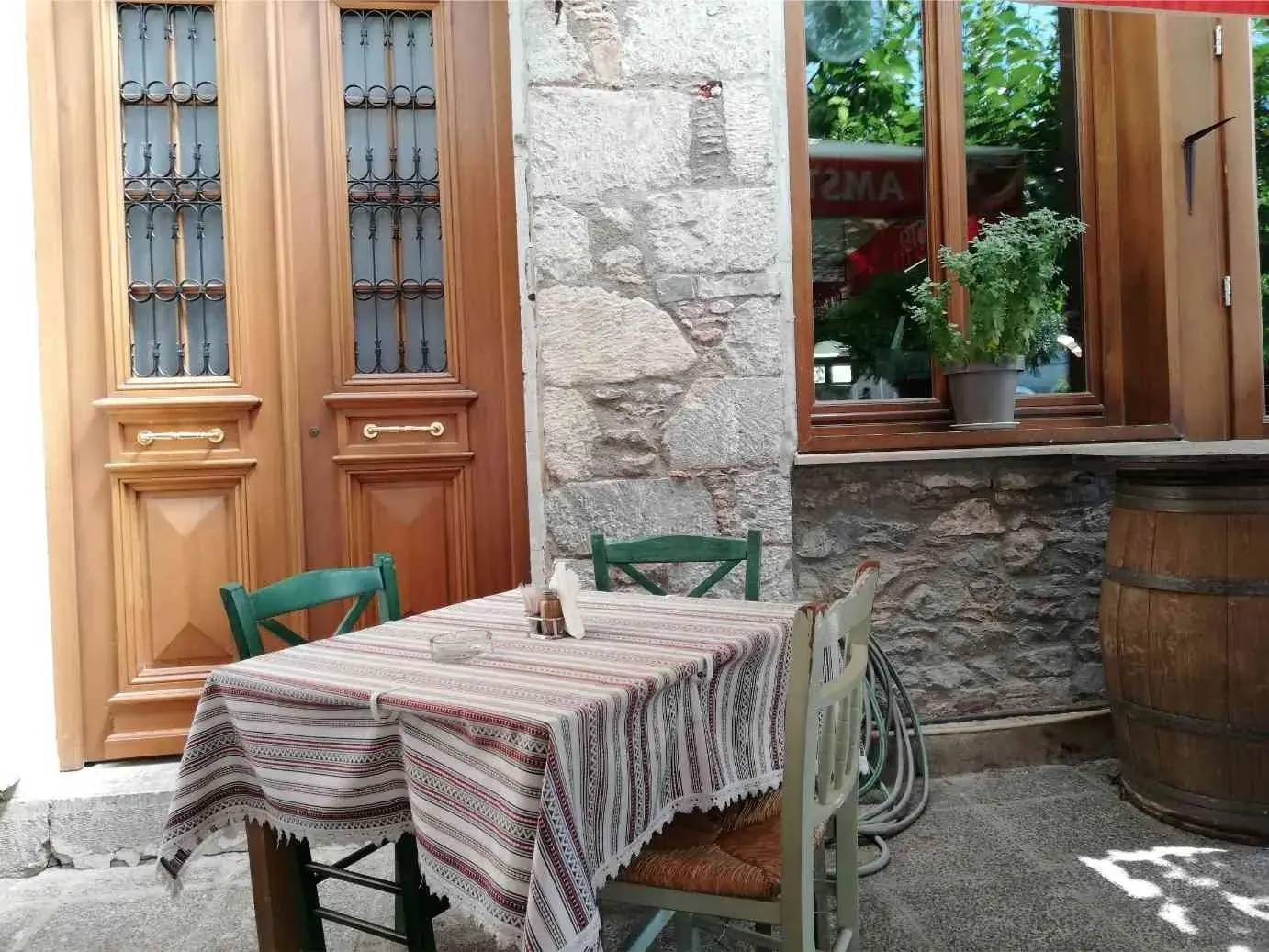
Roumeli: The Inland Soul of Central Greece
Explore the guide →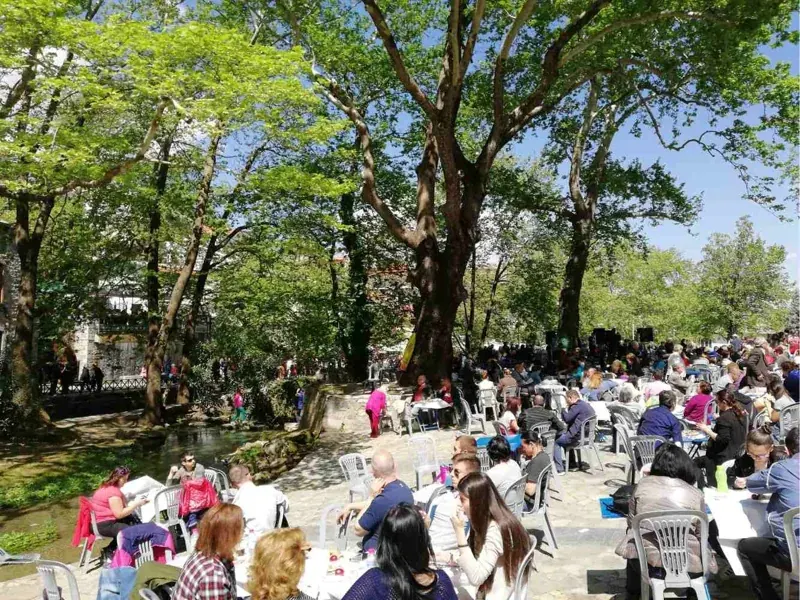
Festivals and Panigyria around Livadia
Explore the guide →
Arvanitsa: Forest, Music and Mountain Food on Helicon
Explore the guide →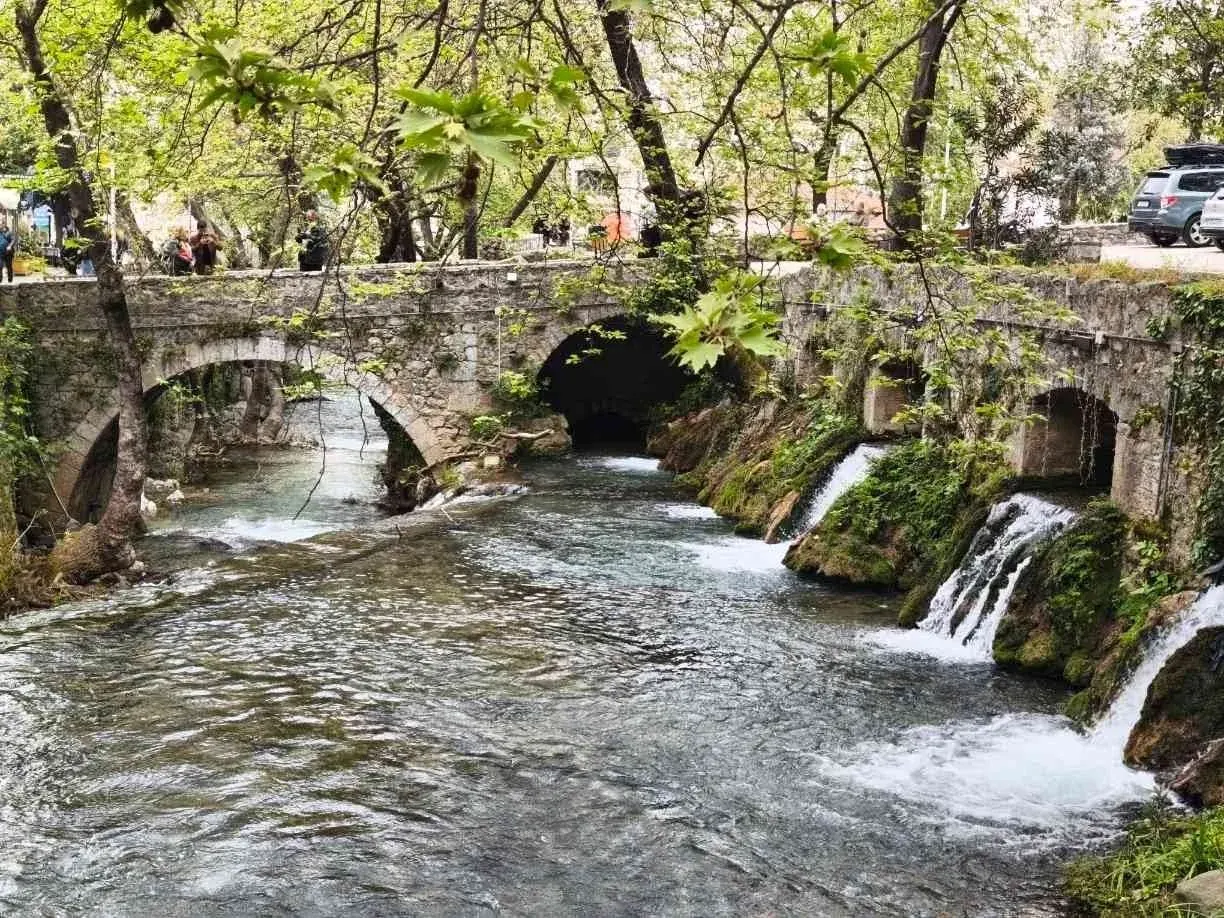
Rivers, Myths and Roumeli Life in Central Greece
Explore the guide →
Slow Travel in Livadia
Explore the guide →Visit Livadia · Rivers, food and stories of Central Greece