
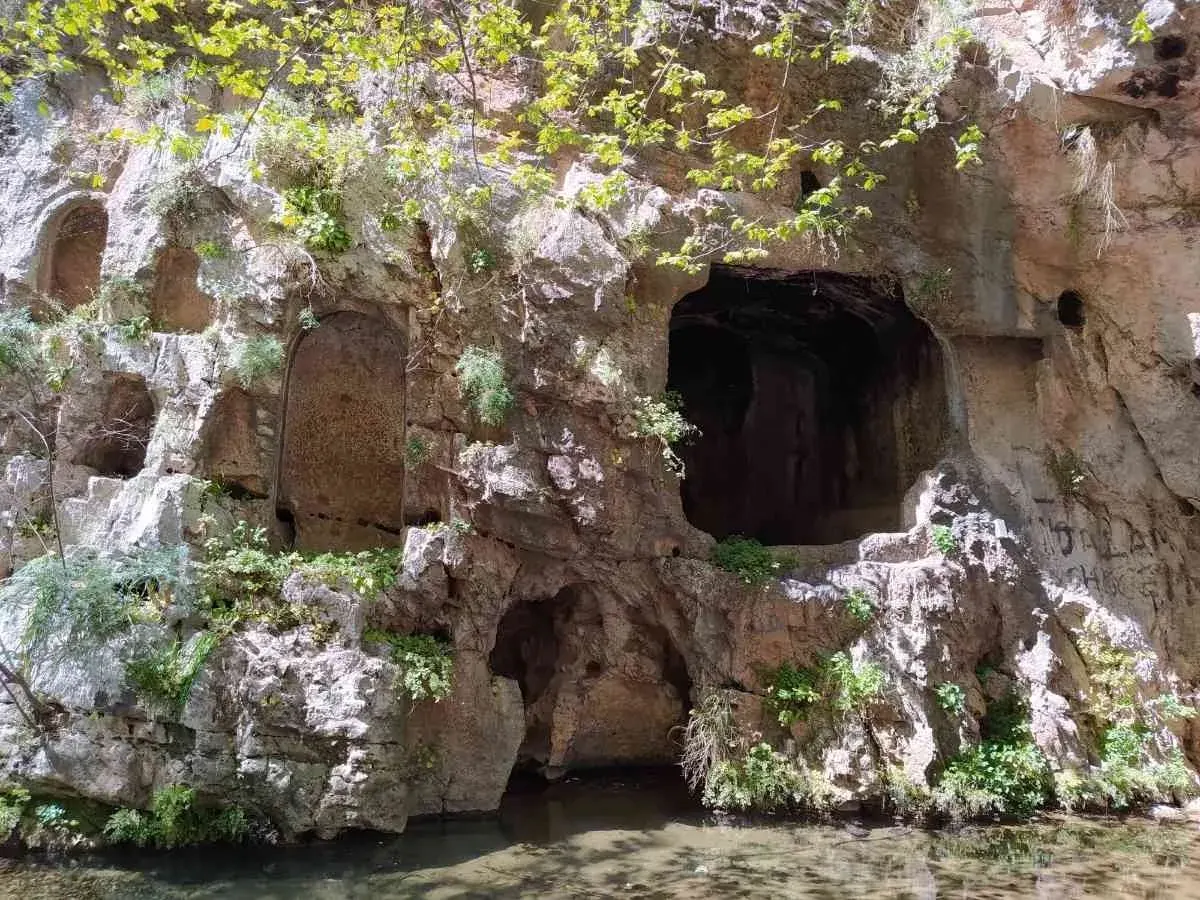
The Oracle of Trophonios in Livadia
Discover the ancient accounts of Trophonios and their connection with Livadia’s sacred waters.
Explore the guide ↓The Oracle of Trophonios in Livadia
Preparation and Ritual of Descent
The Trophonios tradition is linked with preparation, sacred space, descent and revelation. In ancient accounts, the person consulting the oracle did not simply ask a question and receive a public answer. The experience was more inward and unsettling. It involved ritual seriousness and a movement into a hidden realm of knowledge.
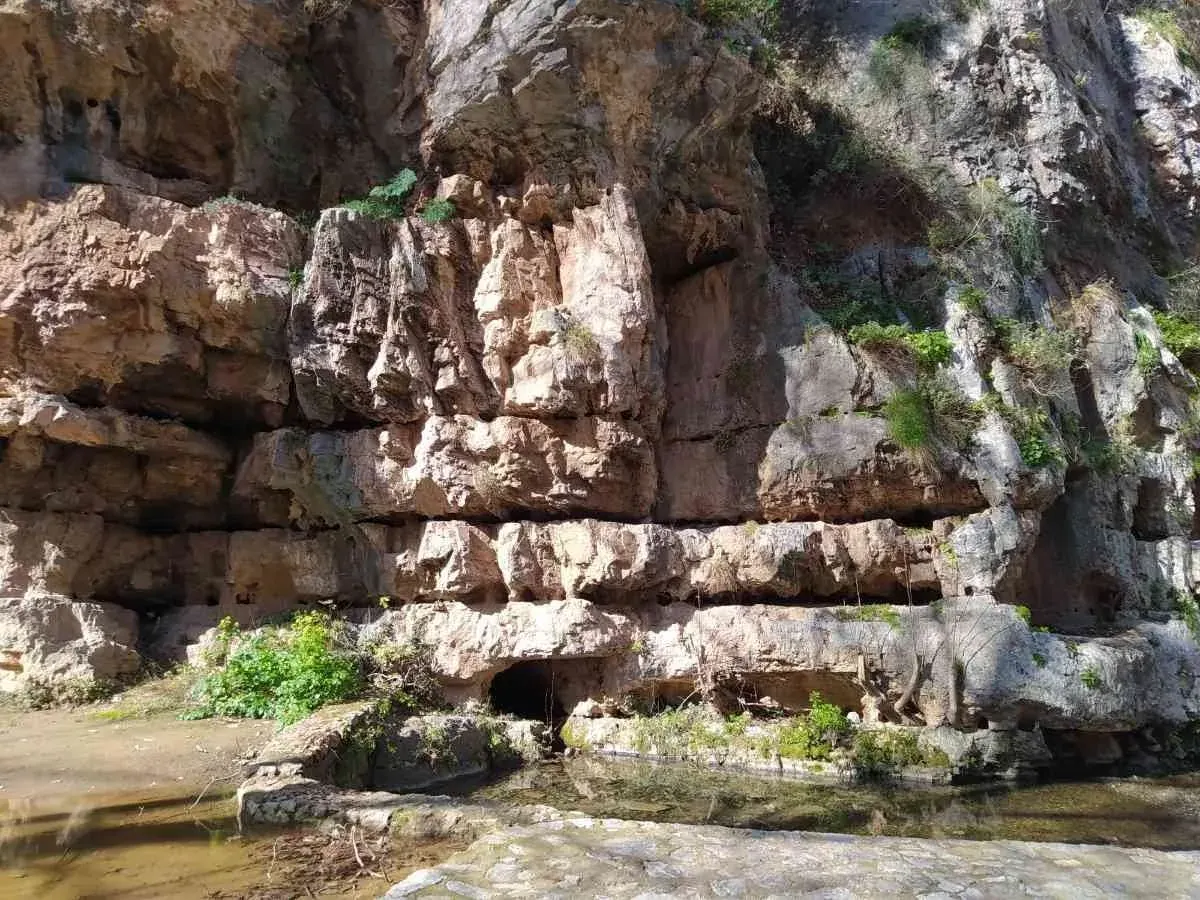
Trophonios and Delphi Compared
The comparison with Delphi is useful. Delphi belongs to Apollo, the Pythia and a sanctuary with international prestige. Trophonios belongs to a darker and more subterranean religious imagination. If Delphi suggests light, divine speech and public authority, Trophonios suggests descent, fear, silence and transformation.
The Landscape Today
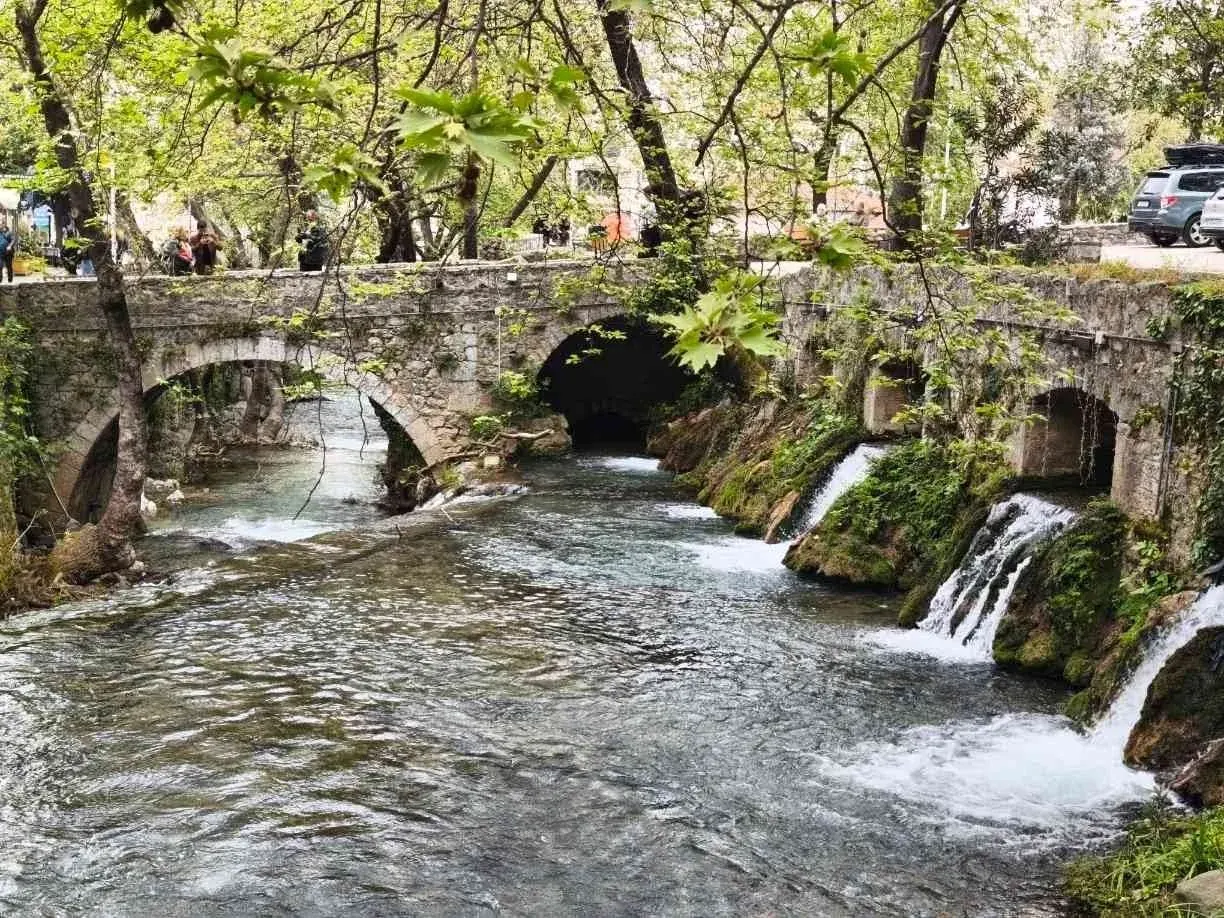
Modern visitors should approach the subject responsibly. Ancient sources describe the oracle and its rituals, but the exact ancient layout cannot be fully reconstructed in the modern landscape with certainty. The area around Krya and the Erkina River remains essential for understanding why Livadia generated such a sacred geography.
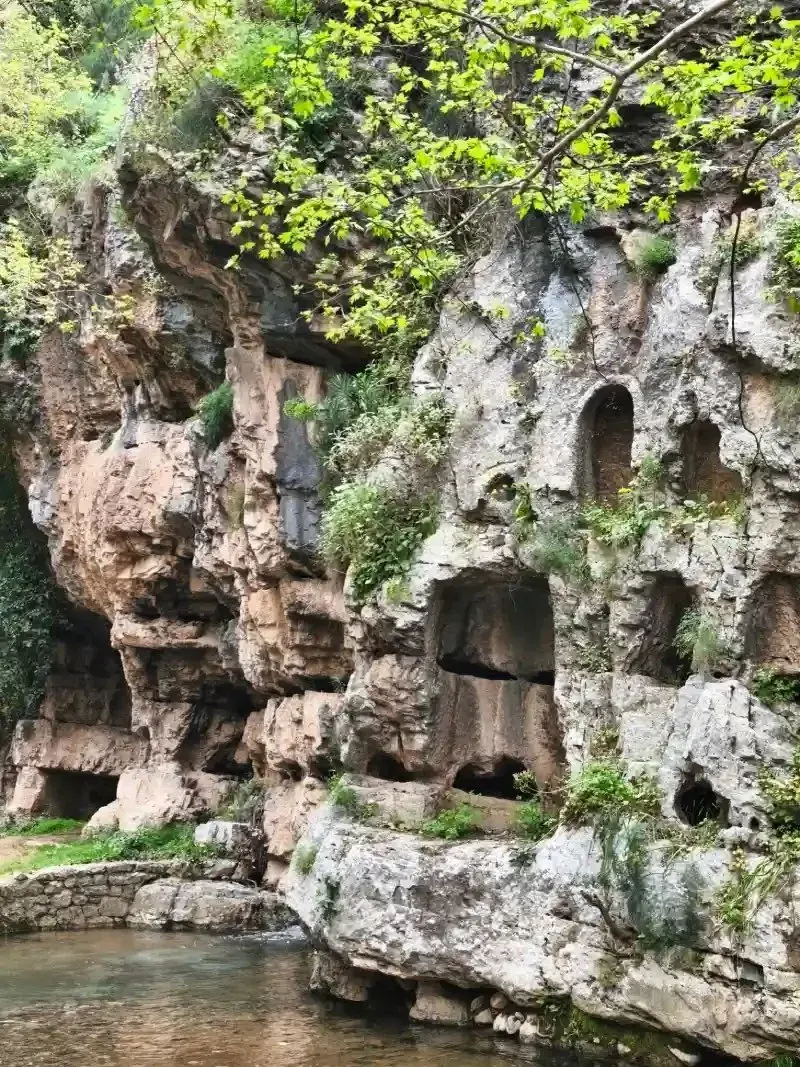
Step Into the Mysteries of the Legendary Oracle of Trophonios
The Oracle of Trophonios was one of ancient Livadia’s most revered sanctuaries and a place deeply woven into Greek mythology and religious tradition. Located near the springs and sacred landscape of the Erkina River, the oracle attracted kings, generals and ordinary pilgrims seeking answers from the gods. Unlike other ancient oracles, visitors underwent a series of purification rituals before descending into a sacred chamber where they experienced the oracle’s mysterious revelations. Today, the legacy of Trophonios continues to captivate visitors, offering a fascinating glimpse into the spiritual world of ancient Greece and the rich history that shaped Livadia.
Once regarded as one of the most powerful and enigmatic oracles of the ancient Greek world, the Oracle of Trophonios drew visitors from across Greece who sought divine guidance through rituals unlike any other.
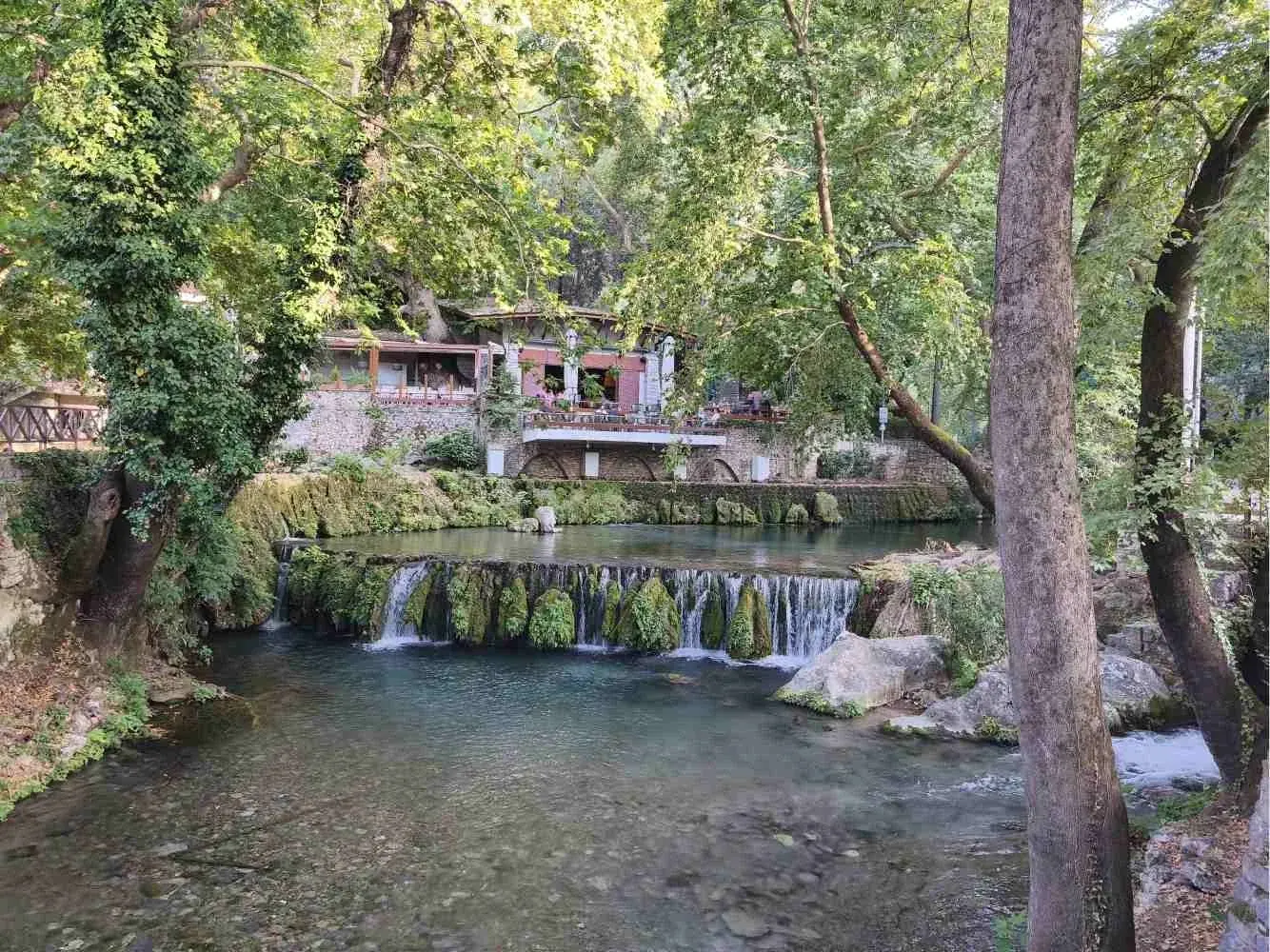
Follow the water in Krya
Plan a riverside walk during your time in Livadia.
Explore Krya →Keep exploring
Rivers, Myths and Roumeli Life in Central Greece
Explore the guide →Krya, Livadia
Explore the guide →
Day Trips from Your Livadia Base
Explore the guide →
Experiences in and around Livadia
Explore the guide →
Practical Travel Guide to Livadia
Explore the guide →Visit Livadia · Rivers, food and stories of Central Greece