
The Valley of the Muses
Explore the landscape and ancient sanctuary near Askri, with practical distinctions between the valley, its mythical springs and nearby museum visits.
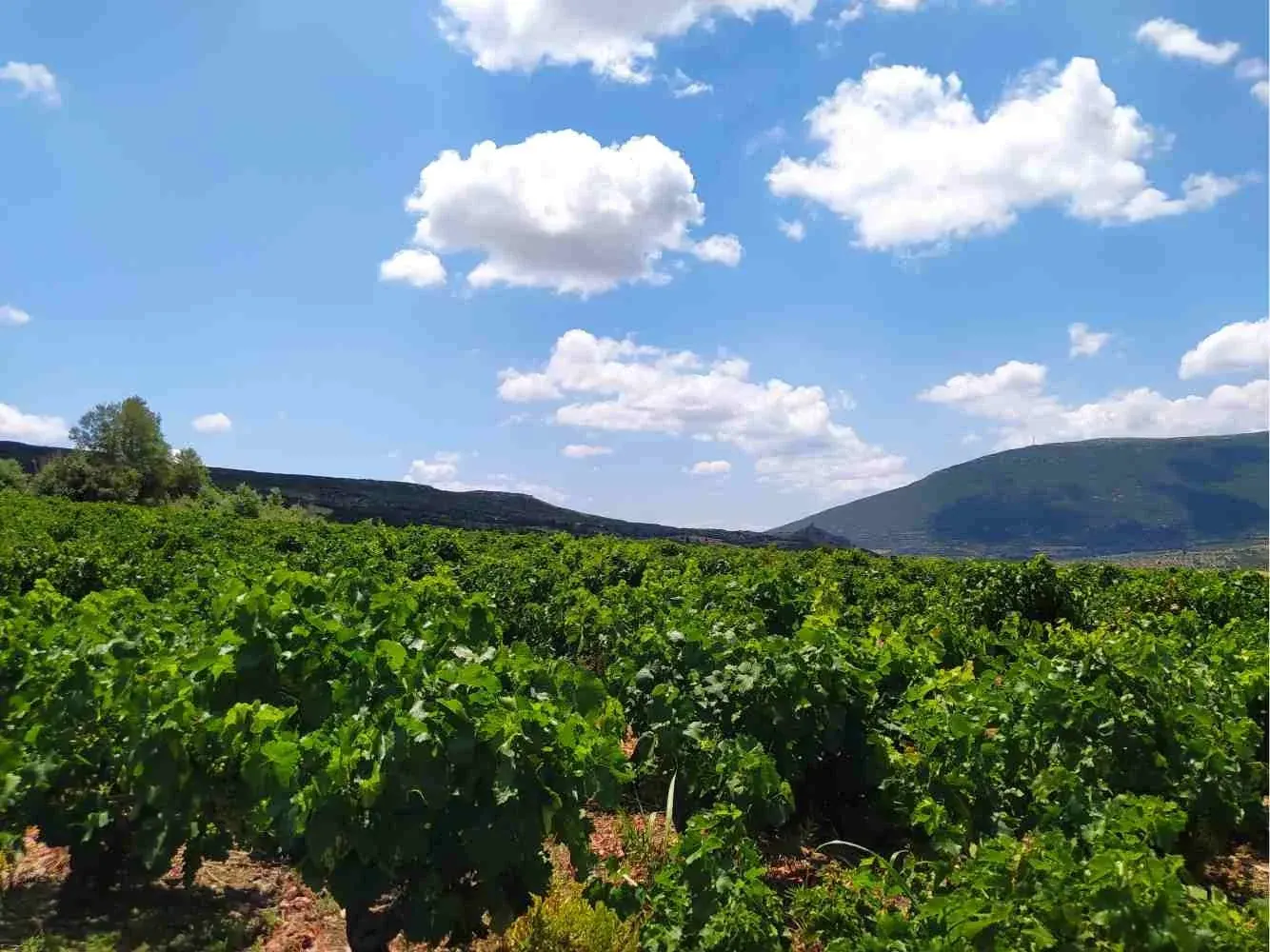
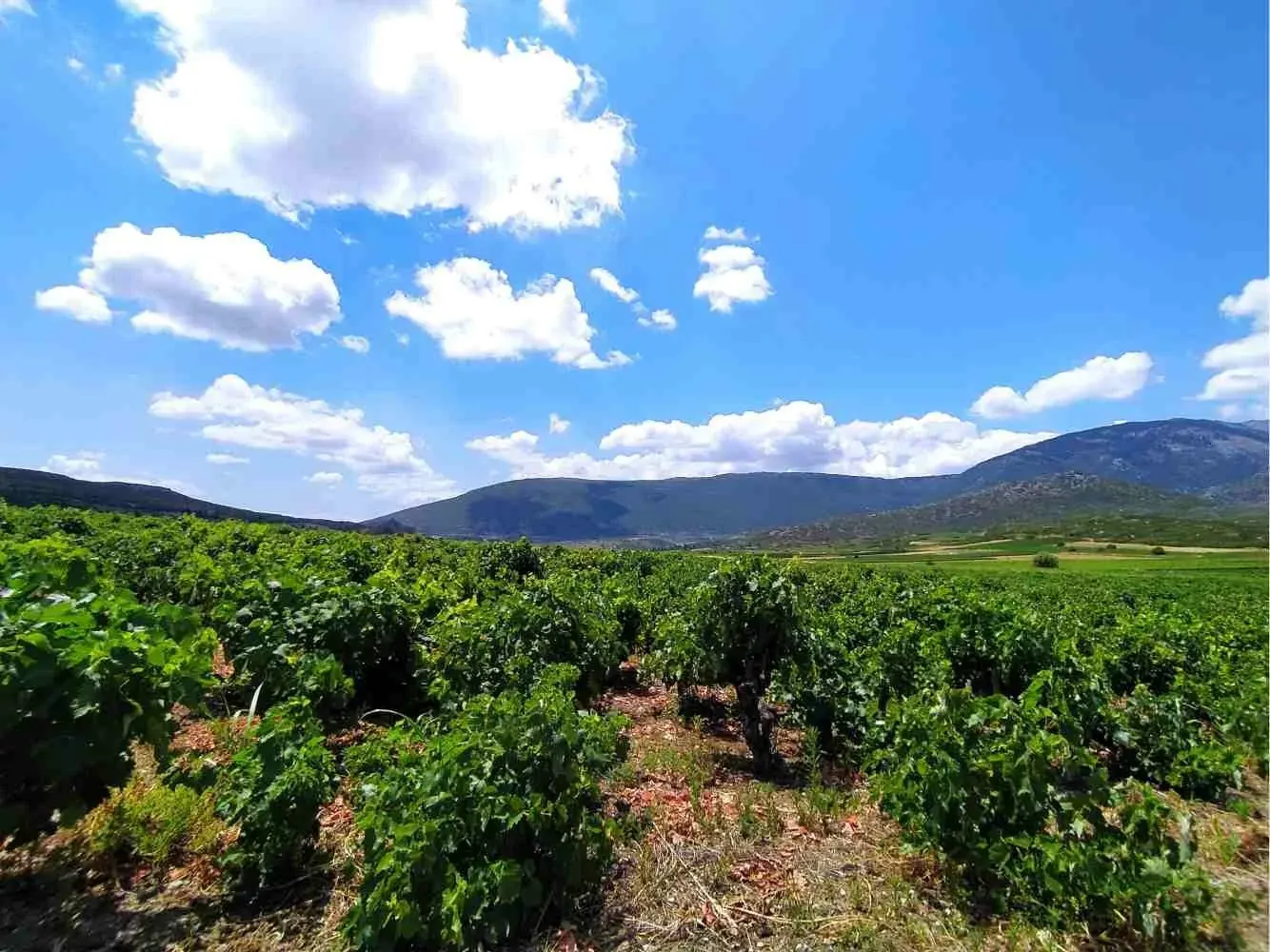
Explore the guide ↓The Valley of the Muses near Askri brings together an agricultural landscape and the remains of an ancient sanctuary on the lower slopes of Helicon. Visit for the setting and its connection with poetry, rather than expecting a large museum complex.
The sanctuary in the landscape
The sanctuary was dedicated to the Muses and associated with the Mouseia festivals. The surviving archaeological remains belong to this ancient sacred landscape. Hesiod’s poetry connects Helicon and the Muses with poetic inspiration.
Aganippe and Hippocrene are different places
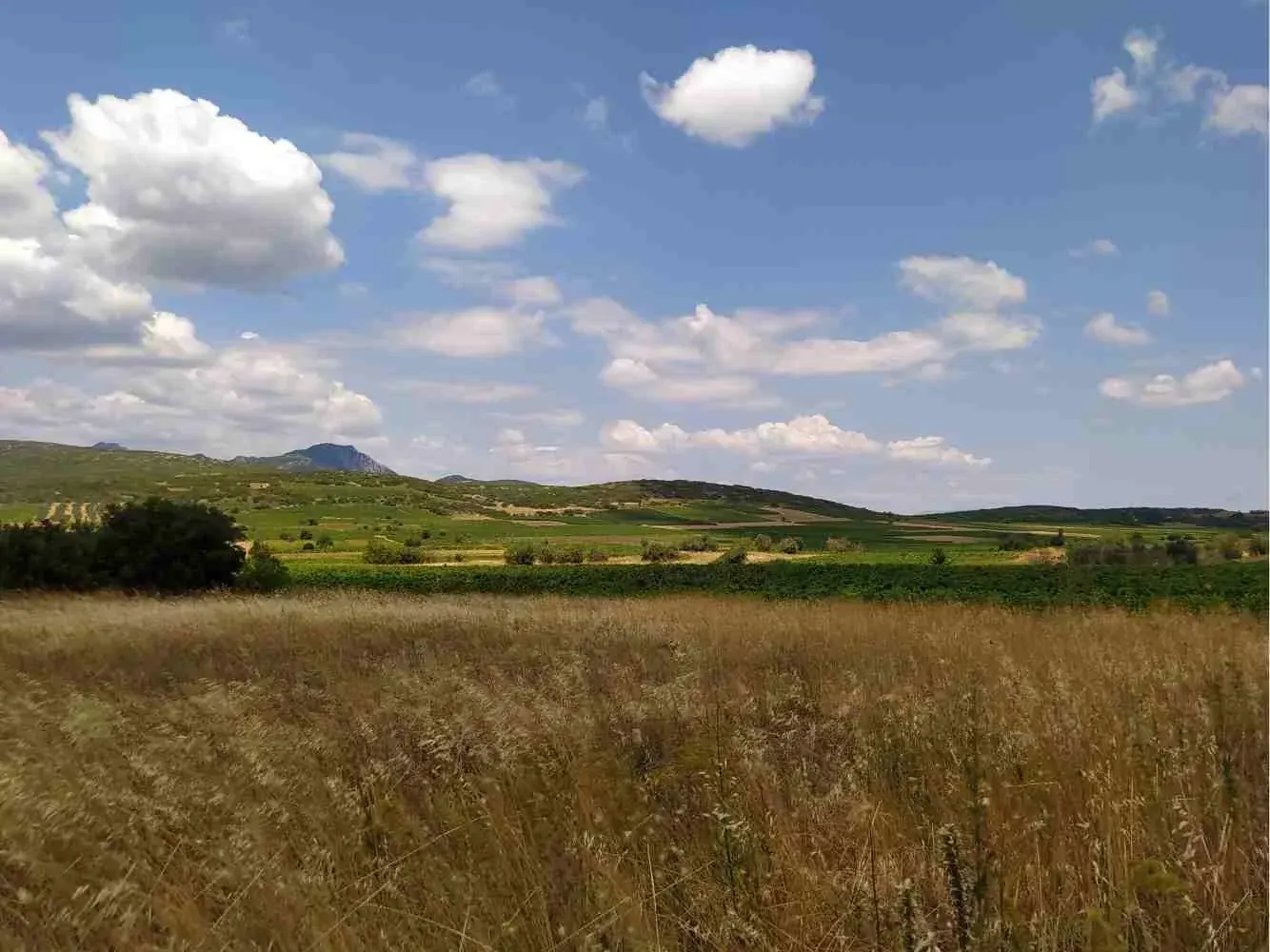
Aganippe is associated with the lower valley and the sanctuary area. Hippocrene belongs higher on Helicon and is traditionally identified with Kryo Pigadi. Reaching the valley does not mean reaching both springs. For a mountain walk, obtain current local route advice. Water flow and access vary; a map pin for the sanctuary does not locate an individual spring.
Museum visits are separate stops
There is no separate museum inside the valley. The Archaeological Collection of Thespies is in the neighbouring settlement of Thespies. Consult the archaeological service for current opening arrangements before adding it to your day.
A break at Limni Mouson
For coffee, food or time at a recreation park, consider Limni Mouson near Askri. This is a separate business and location, not the ancient sanctuary or a museum. Check directly for opening times and the availability of activities.
Plan the visit
Allow time for the landscape, wear shoes suitable for uneven ground and carry water. Keep a mountain hike separate from a visit to the valley unless you have a verified route and the necessary preparation.
Give the landscape time
Begin your excursion in Livadia with a clear choice: this is a day for the valley, not a circuit of all the Helicon villages. Hesiod’s association with the Muses gives a field, slope or distant ridge something more to suggest, but the value of the visit is also in observing the agricultural landscape as it is today.
Read a little of the story before arriving and leave time afterwards for a break. Return to Livadia for dinner, keeping any higher-mountain walk for a separately planned day.
Stay in Evangelistria
Helicon Muses Friendly Mountain B&B Guesthouse is listed in Evangelistria. Treat this as a separate accommodation location when planning time around Helicon.
We may earn a commission from bookings through these links.
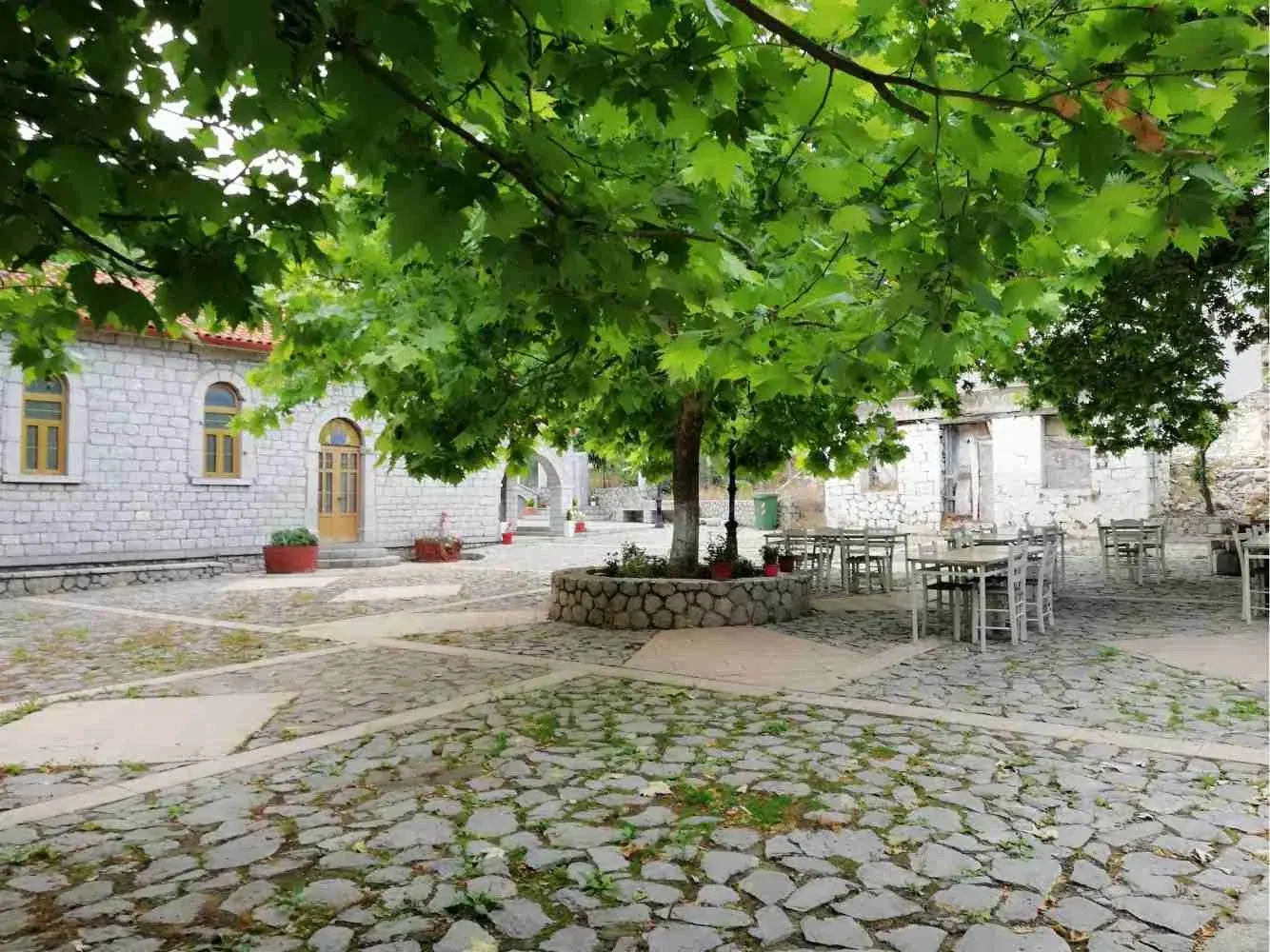
Discover Agia Anna
Explore another village in the Mount Helicon section of this guide.
Explore Agia Anna →Keep exploring
Mount Helicon from Livadia
Explore the guide →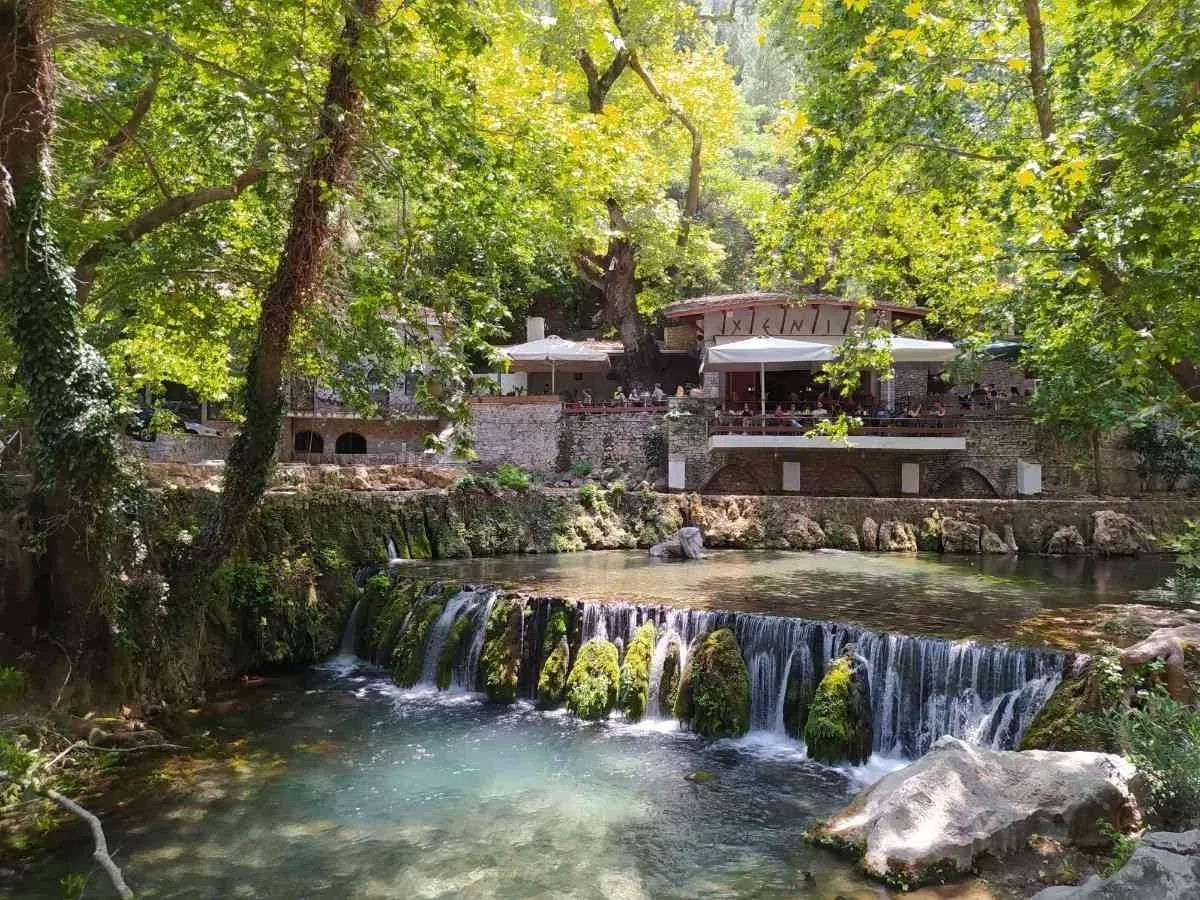
Sacred Waters of Boeotia
Explore the guide →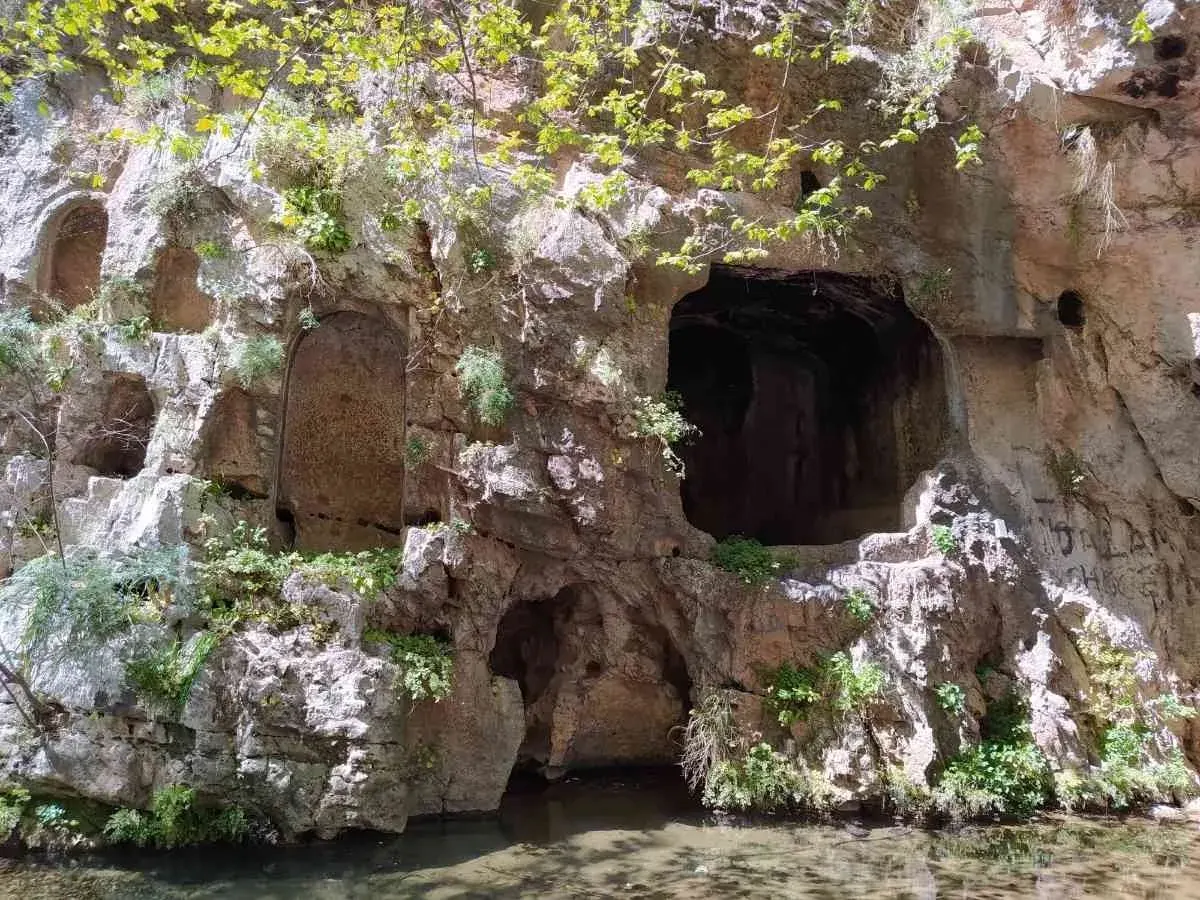
Livadia and Mythology
Explore the guide →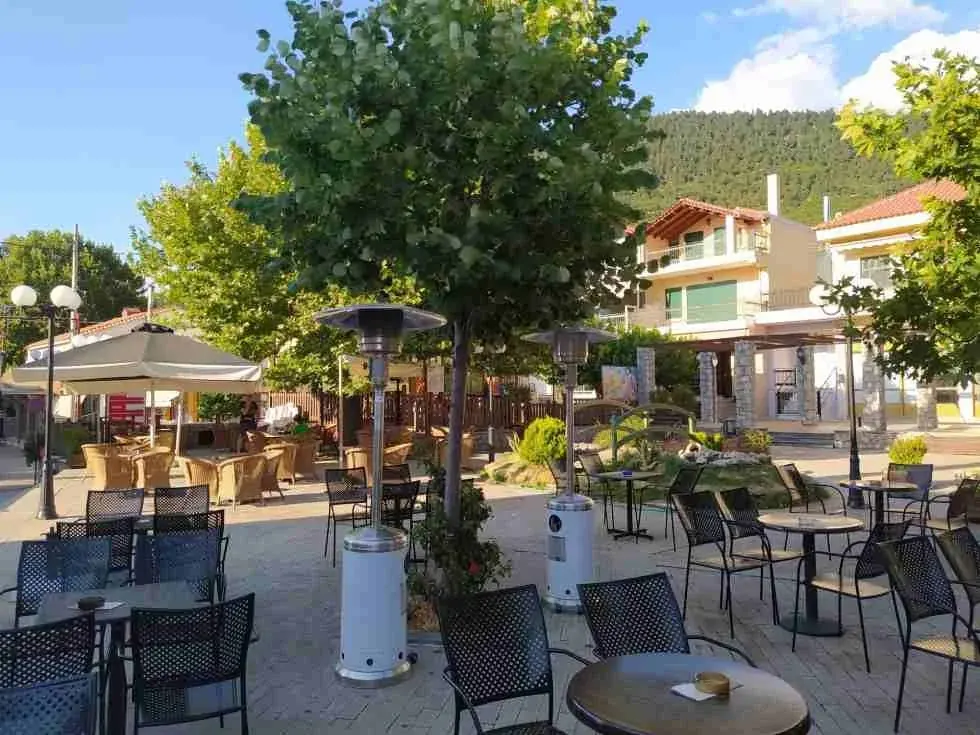
Kyriaki: A Village Day from Livadia
Explore the guide →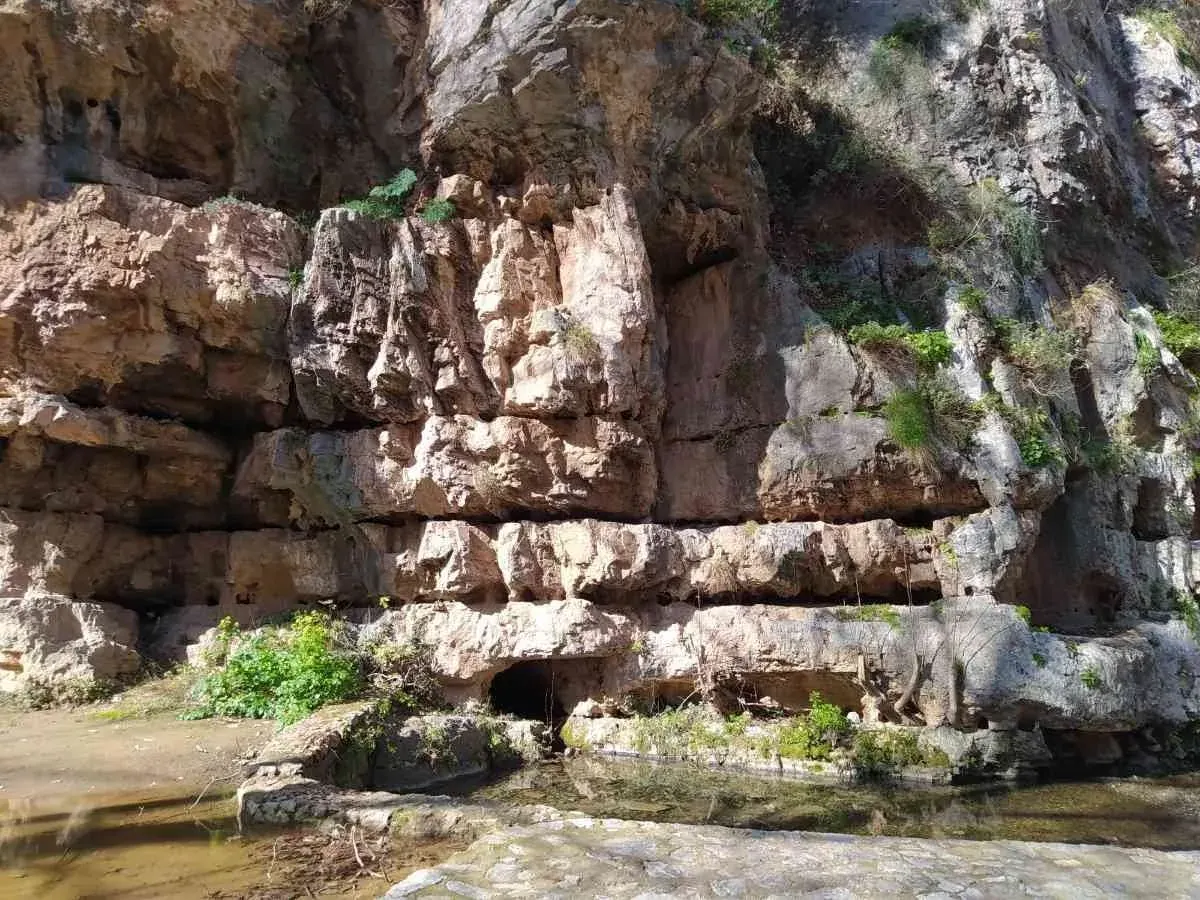
The Myth and Water Route
Explore the guide →Visit Livadia · Rivers, food and stories of Central Greece