
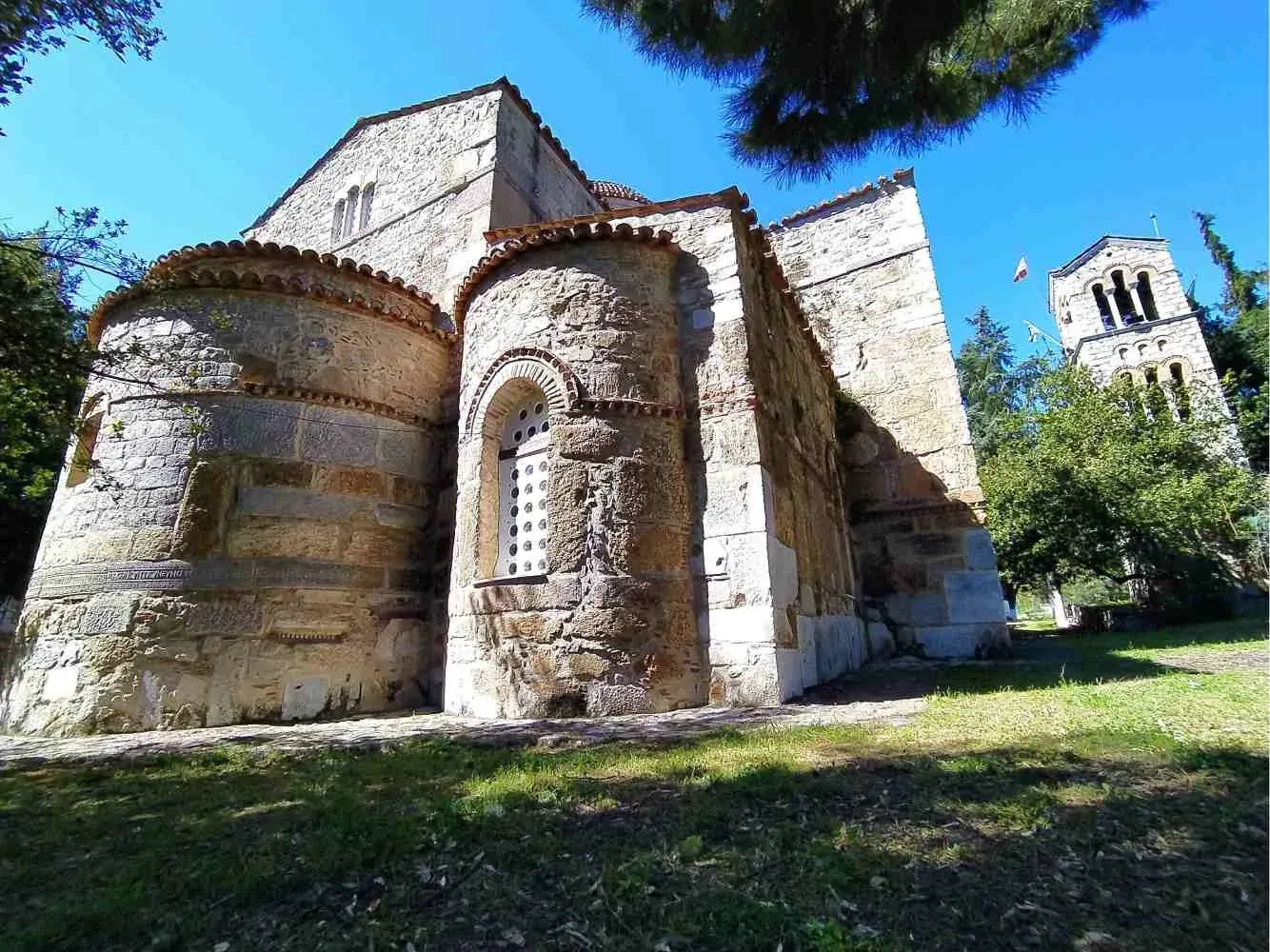
Panagia Skripou in Orchomenos
Discover Panagia Skripou in Orchomenos near Livadia: a 9th-century Byzantine church with inscriptions, ancient materials and deep historical significance.
Explore the guide ↓Panagia Skripou is one of the most historically significant Byzantine churches in Boeotia — a 9th-century monument built using materials from ancient temples, with inscriptions that provide unusually precise information about its construction.
The Building
Panagia Skripou was built in 874 AD, as confirmed by inscriptions within the church itself. The builder incorporated ancient architectural elements — columns, capitals, carved stones — from earlier classical structures, creating a visual dialogue between Byzantine Christian and ancient pagan material culture that remains visible throughout the building today.
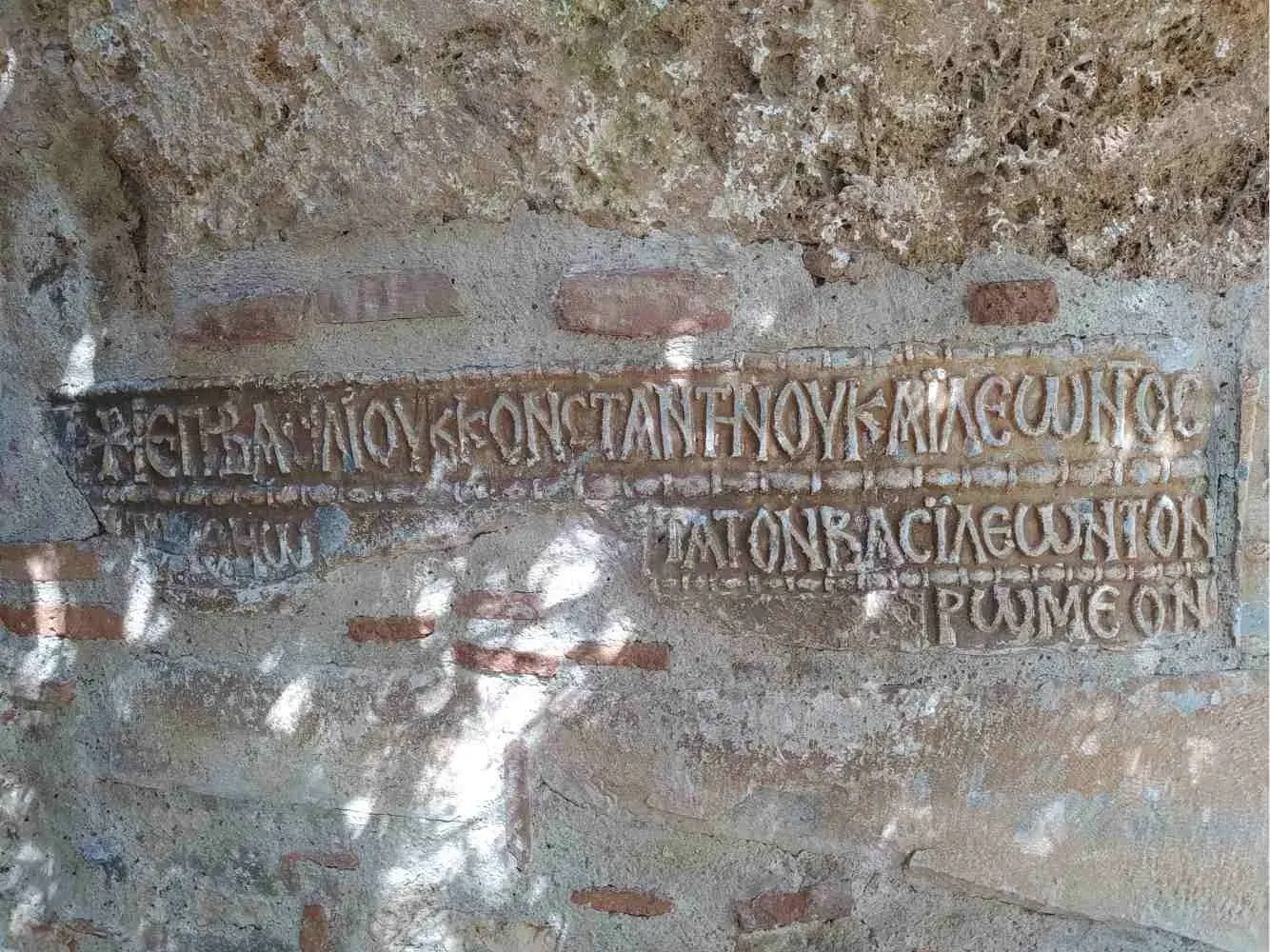
The Inscriptions
The inscriptions at Panagia Skripou are particularly valuable because they identify the founder — a Byzantine official named Leon — and the date of construction with a precision rarely available for provincial Byzantine monuments of this period. This makes the church one of the best-documented early Byzantine buildings in Greece outside the major urban centres.
Ancient Materials in Christian Form
The repurposed ancient stones are not hidden or disguised within the structure — they are visibly incorporated, sometimes inverted, sometimes left with their original carving exposed. This deliberate visibility invites a kind of dialogue between the pre-Christian and Christian layers of the site.
Visiting
Panagia Skripou is on the pedestrian walk beside the ancient theatre and the Tomb of Minyas. The church is usually open during the day without an admission charge; respect services and check opening locally. View the theatre from outside, and check the separate ticket and hours for the tomb.
See Byzantium Built From Antiquity’s Own Stones
Panagia Skripou is a church that wears its history openly — ancient columns and carved stones repurposed directly into its 9th-century Byzantine walls. Few buildings in the region make the layering of Greek history so visually explicit.
Byzantine faith, built quite literally on ancient foundations.
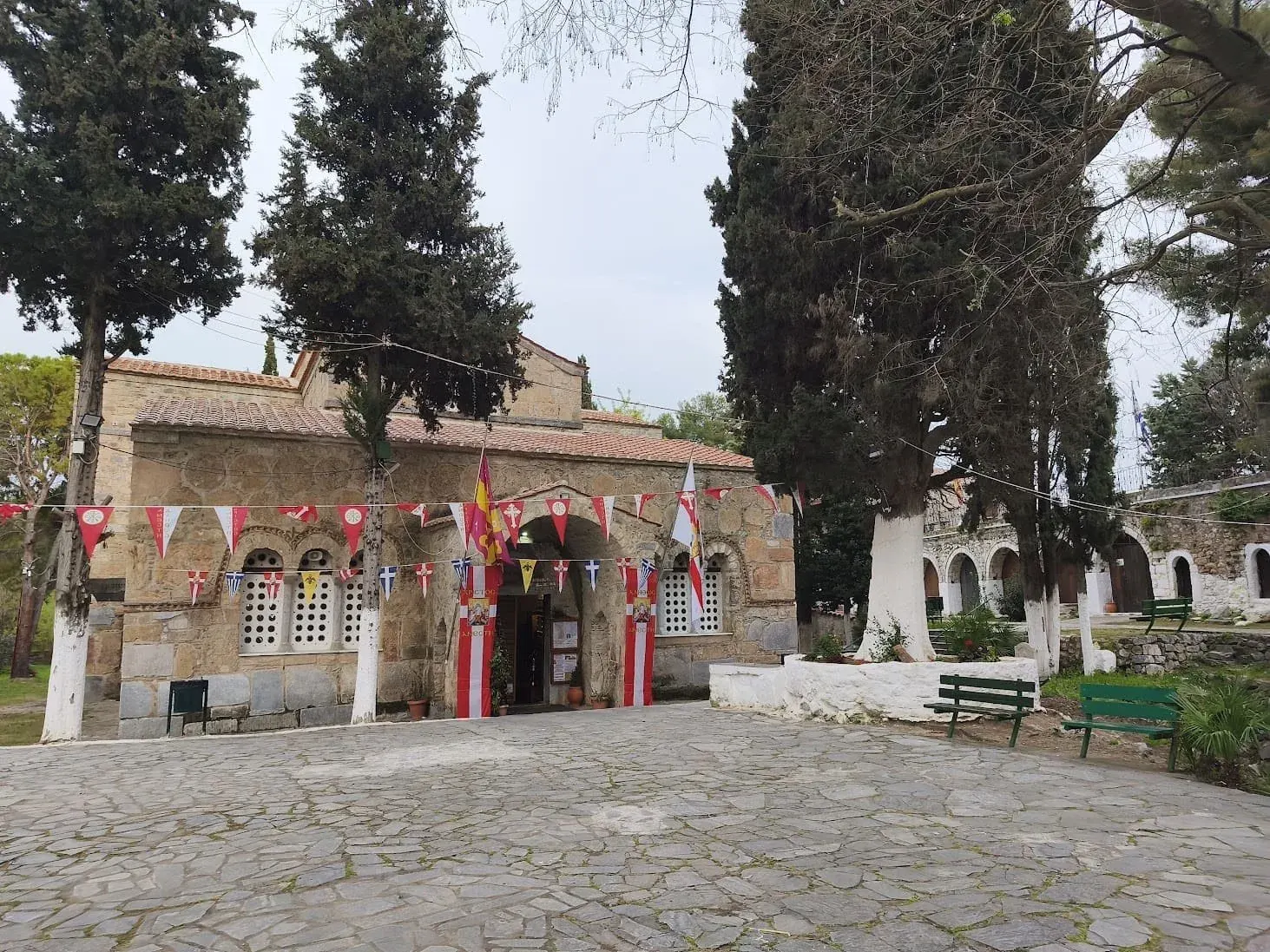
Read the building before you enter
The church’s inscriptions and ancient stone reused in its fabric connect its Byzantine construction with the material history of Orchomenos. The municipal account dates it to 873/874. Look at the outside first, then visit the interior when open, following any instructions about photography and worship.
Make Skripou part of a day in Orchomenos from Livadia. The adjacent theatre and tomb have different uses and access arrangements; their proximity does not imply one common ticket or unrestricted entry.
 Orchomenos · destination photograph
Stay in Orchomenos
Stay in Orchomenos to give this part of your trip more time. Compare the local guesthouse with the wider area search.
Find stays in Orchomenos on Agoda →We may earn a commission from bookings through these links.
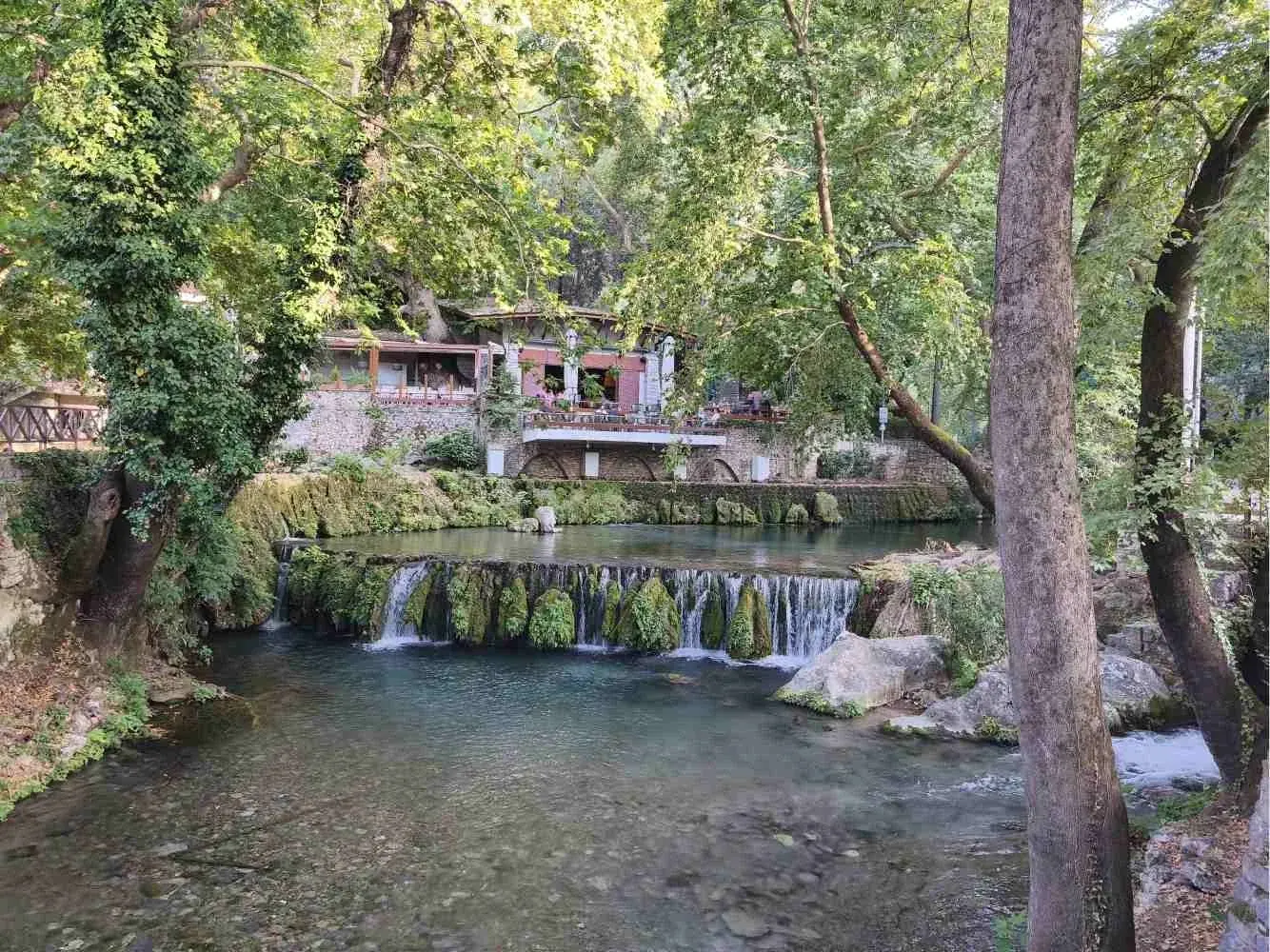
Follow the water in Krya
Plan a riverside walk during your time in Livadia.
Explore Krya →Keep exploring
Orchomenos from Livadia
Explore the guide →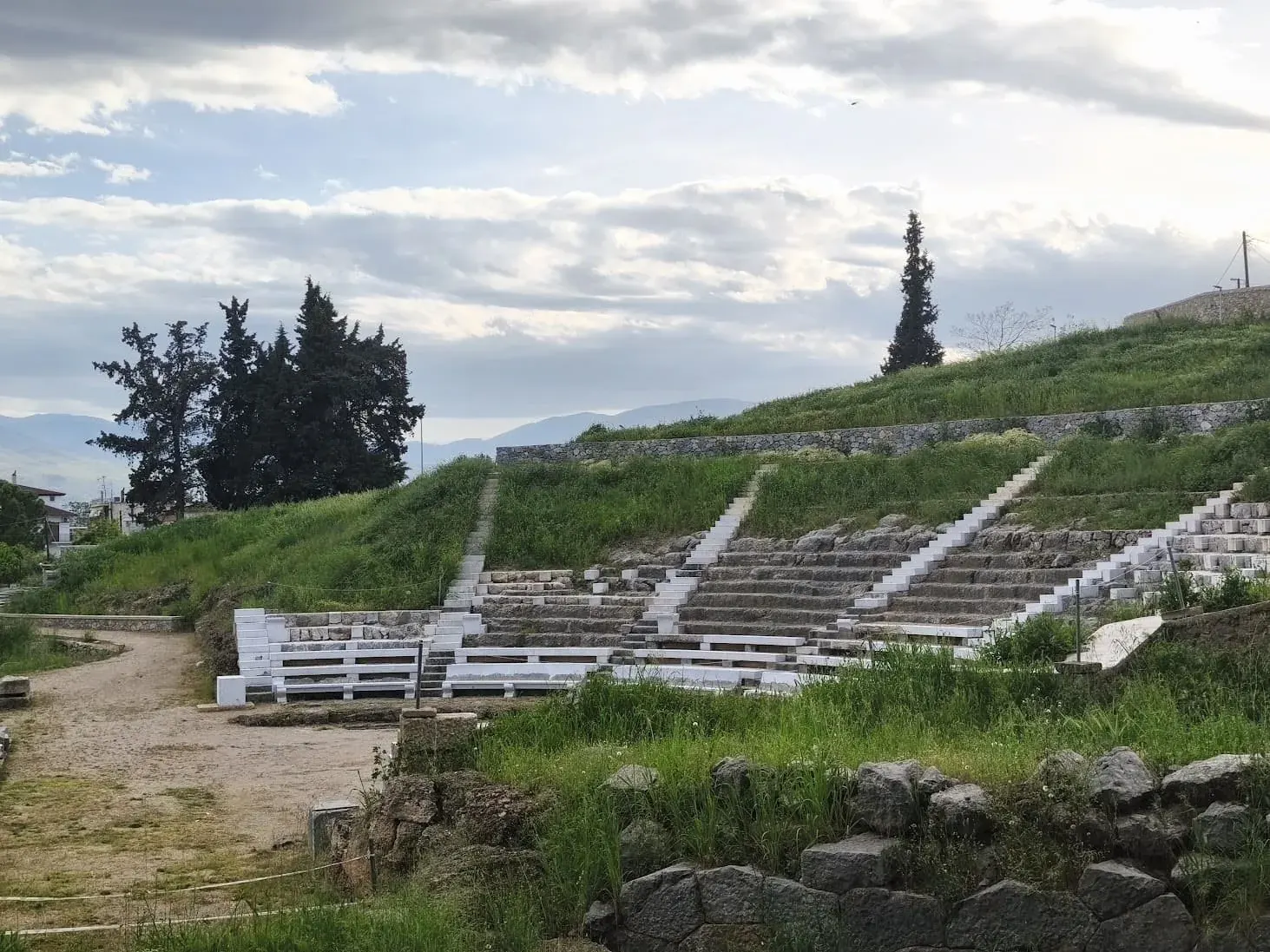
The Ancient Theatre of Orchomenos
Explore the guide →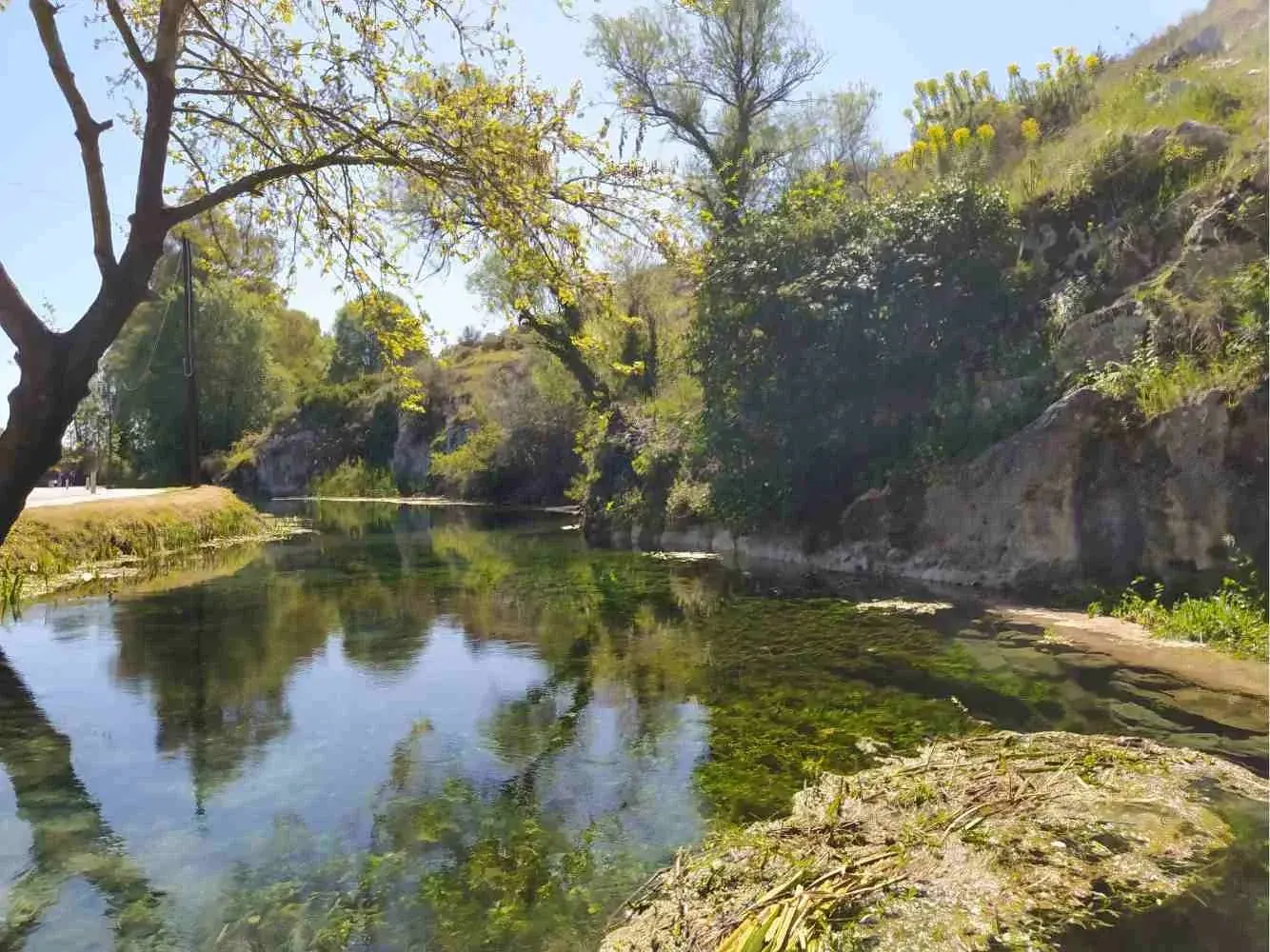
The Springs of the Charites in Orchomenos
Explore the guide →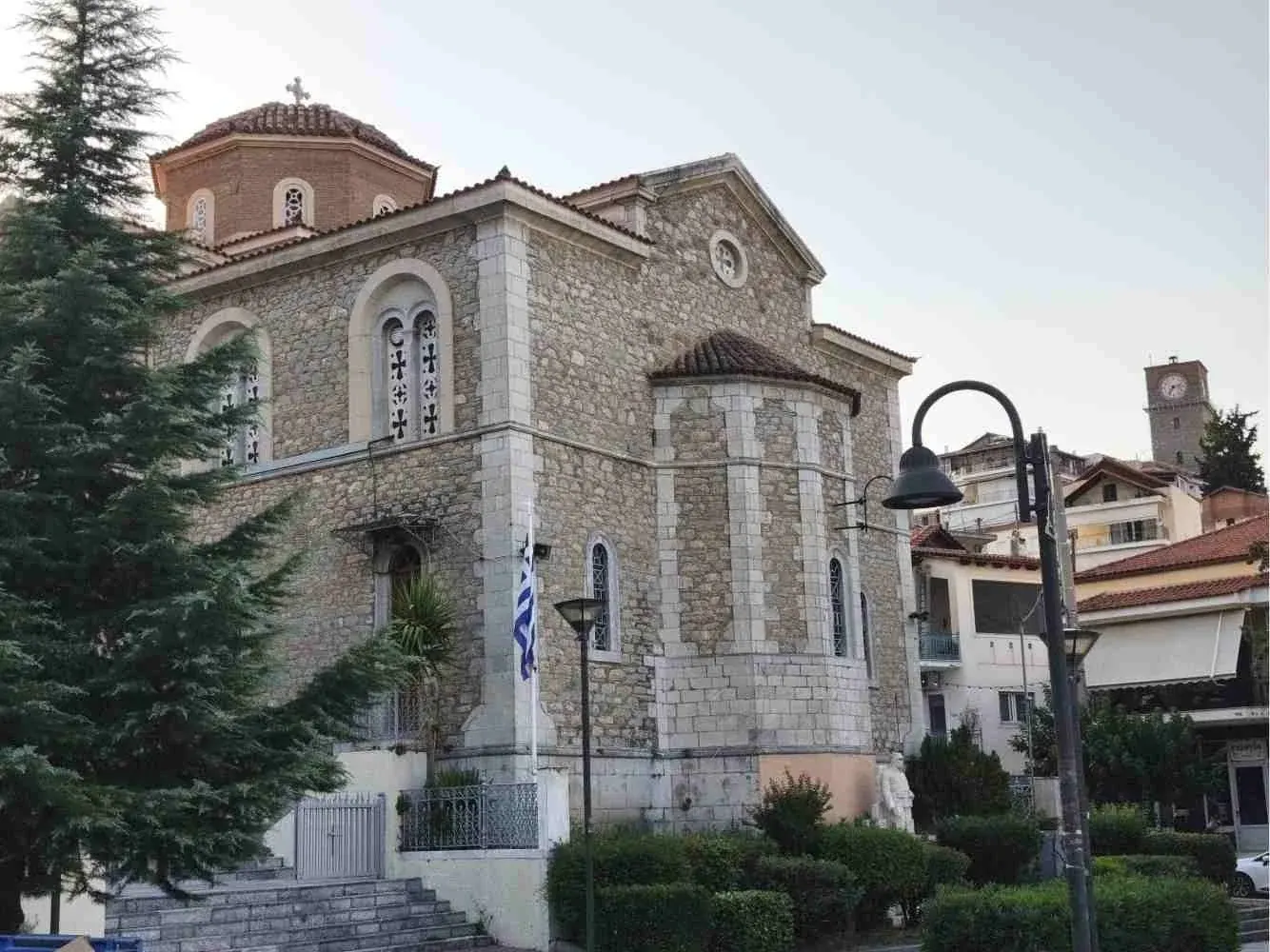
Churches and Pilgrimage from Livadia
Explore the guide →The Ancient Boeotia Route
Explore the guide →Visit Livadia · Rivers, food and stories of Central Greece