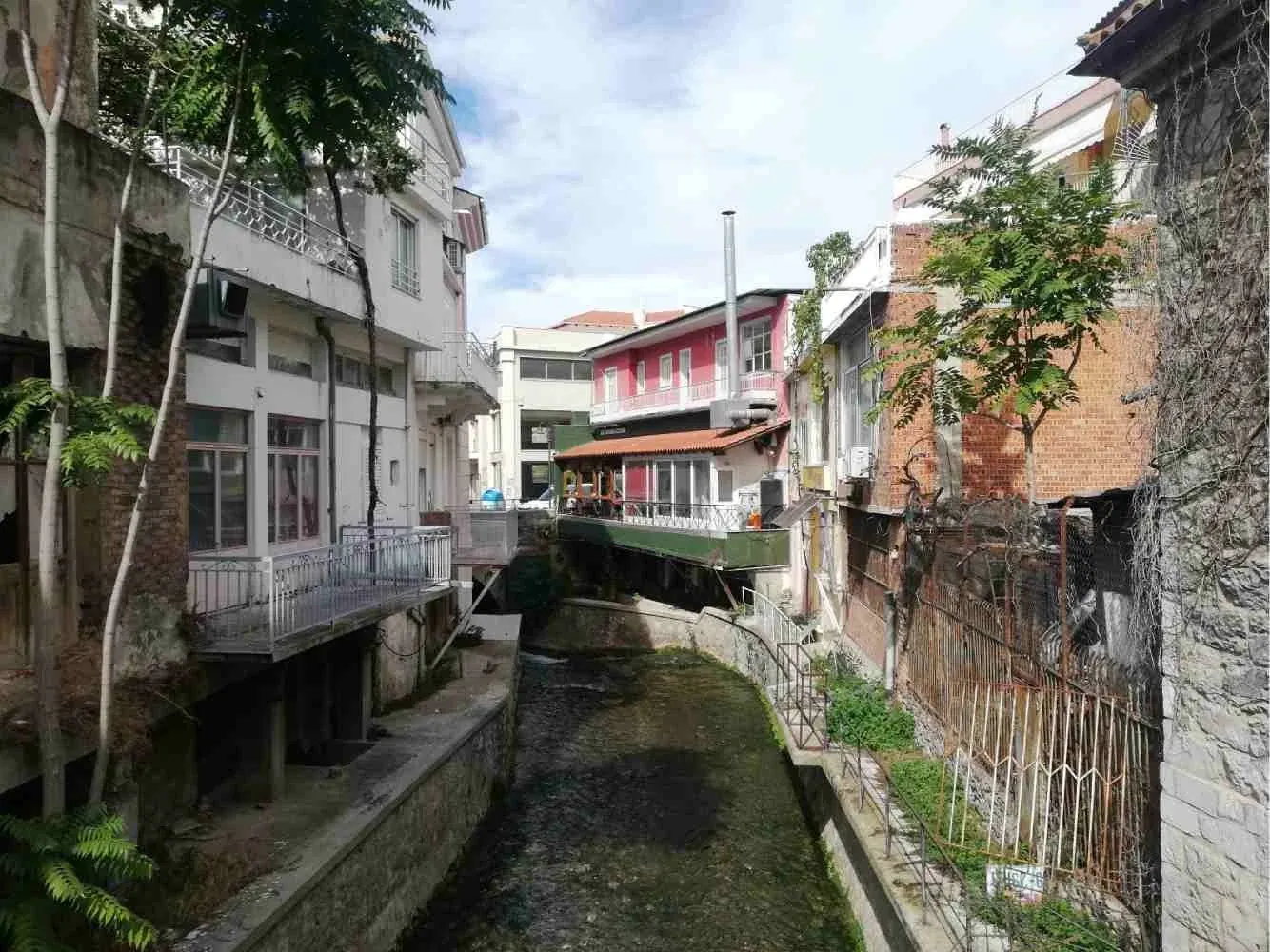
The Erkina River in Livadia
Follow the Erkina through Krya and the town, with stone bridges, riverside stops and the ancient stories connected with its springs.
Explore the guide ↓The Erkina River
The Erkina River is one of the defining features of Livadia. It gives the town its sound, its movement and much of its atmosphere. In many Greek towns, nature sits outside the urban fabric. In Livadia, water runs through one of the most memorable parts of the town itself.
The river is most visible to visitors at Krya, where water, stone paths, trees, cafes and taverns come together. The Erkina is not a large river in the dramatic sense. Its importance is more intimate. It shapes how people move, where they gather and how the town feels.
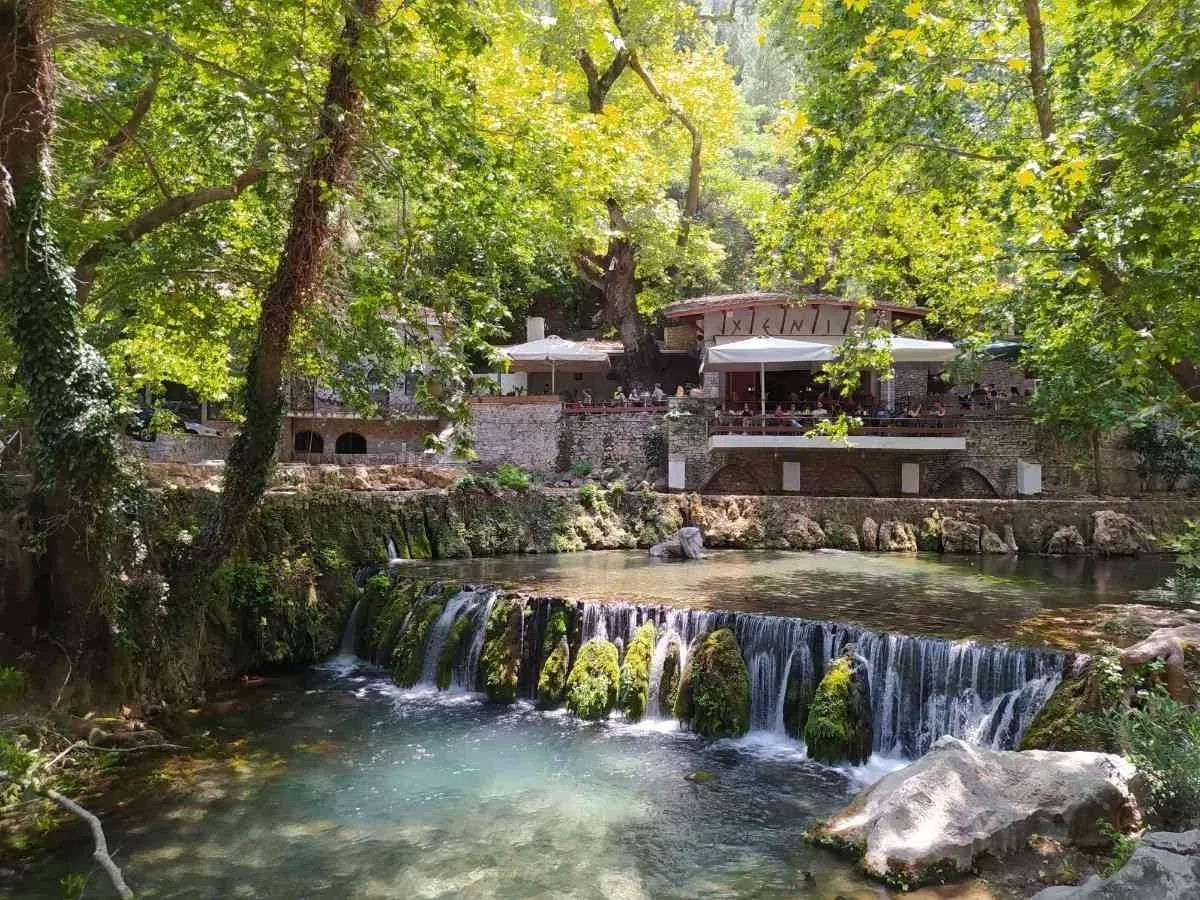
The Erkina also belongs to the mythological imagination of Livadia. The town’s ancient identity is connected with sacred waters and the Oracle of Trophonios. In ancient Greek culture, springs, rivers, caves and underground spaces often carried symbolic and religious meaning.
Modern visitors should distinguish myth from history, but they should not ignore myth. The Erkina helps them understand how ancient people may have experienced the landscape: not as scenery, but as a place of presence, fear, purification and hidden meaning.
A River of Legends in the Heart of Livadia
The Erkina River is at the heart of Livadia, shaping the town’s character, daily life and natural beauty. Flowing through the picturesque area of Krya, it creates a unique setting where water, history and local culture meet. Known in antiquity as Herkyna, the river is also linked to myths, sacred traditions and the Oracle of Trophonios, offering visitors a glimpse into both the landscape and the ancient imagination of the region.
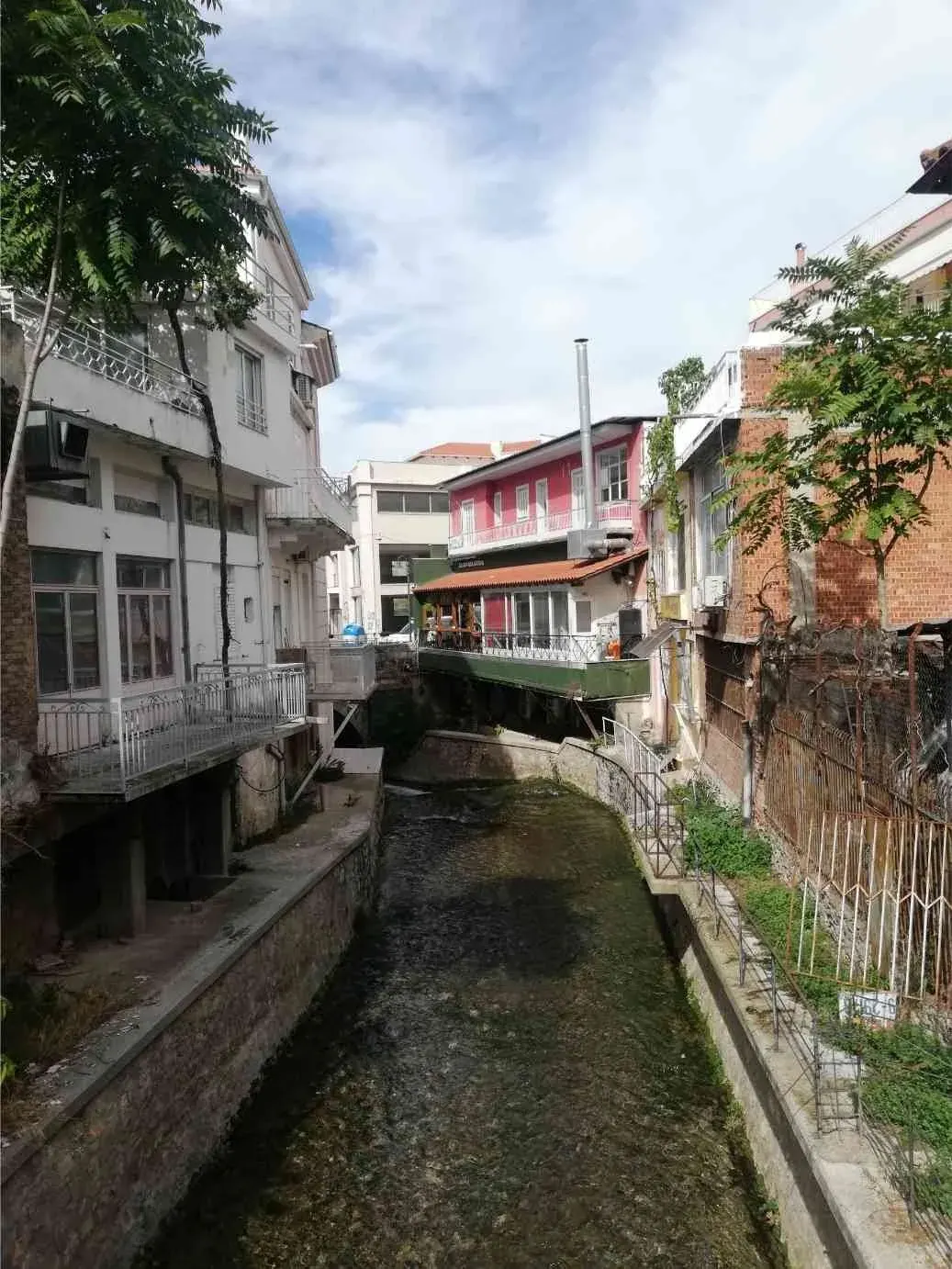
From ancient legends to modern-day strolls, the Erkina is Livadia’s lifeblood.
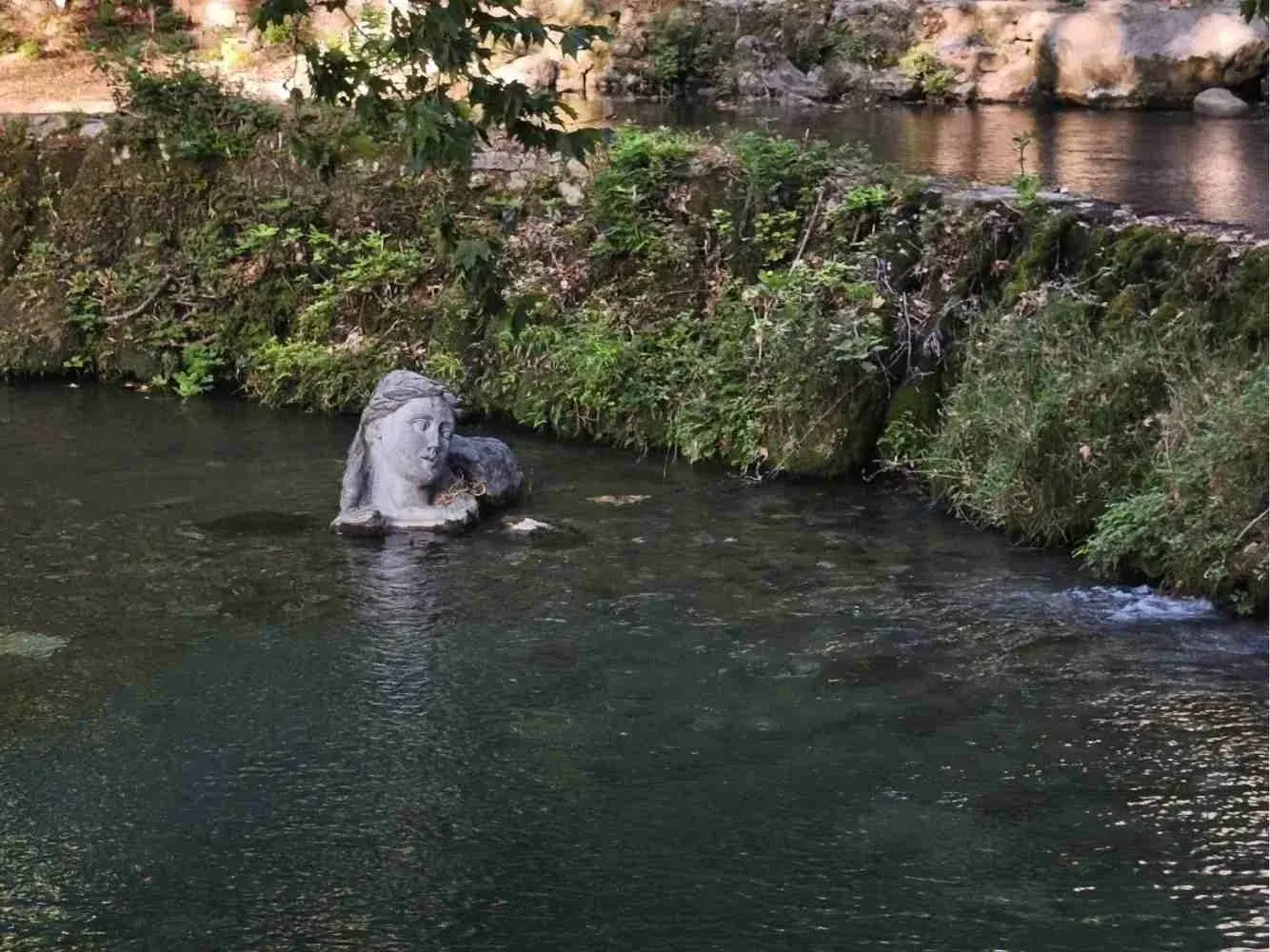
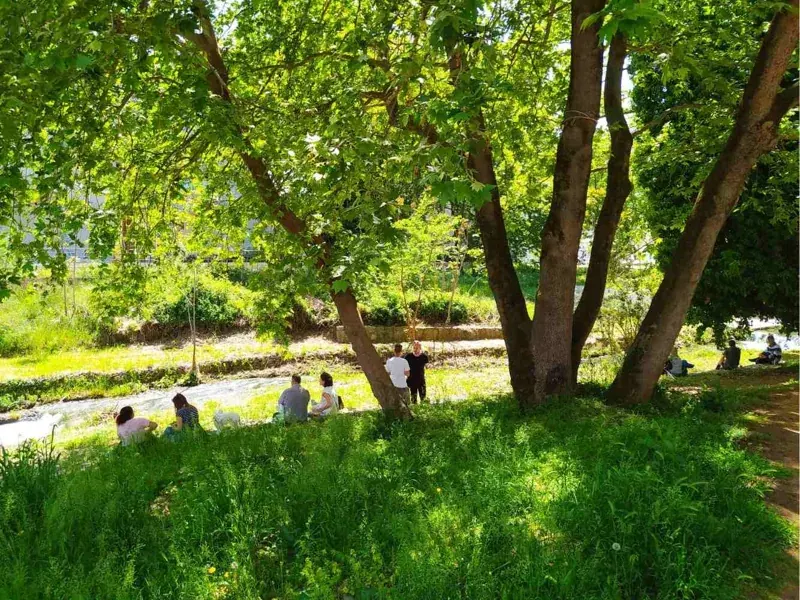
The river through town
Beyond the springs, the Erkina passes between buildings, bridges and places to sit. Follow its changing surroundings to see how closely the river and the town are connected.
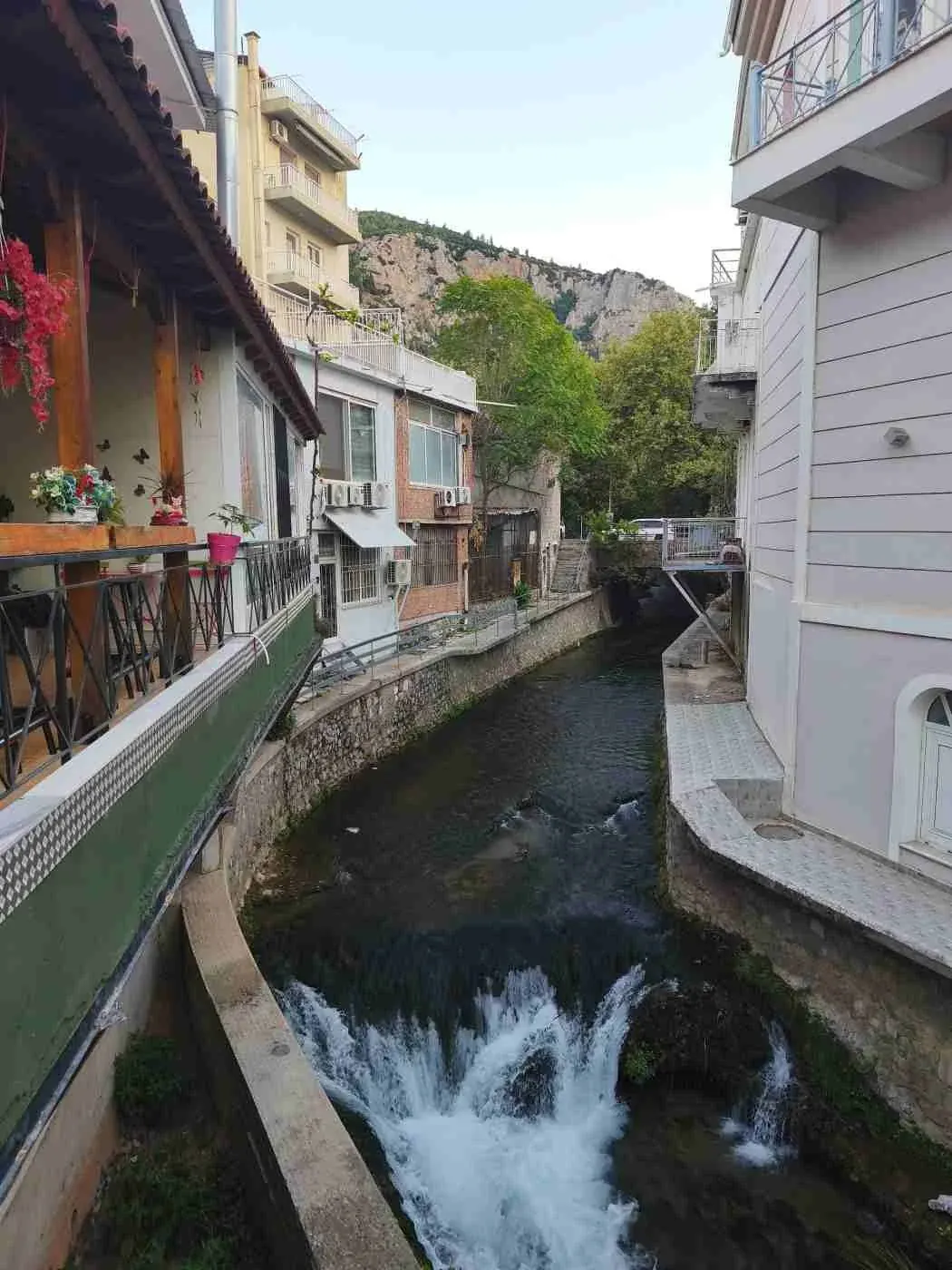
Water that once powered the town
The river was a source of work as well as a place of beauty. Water power supported milling, cloth treatment and the cotton-related economy described in the municipal history. The surviving Neromylos and Nerotrivi buildings help give that story a physical setting.
As you walk, notice channels and changes in level alongside the buildings. Read them as traces of a working riverside, then compare that history with today’s cafés and public spaces. Interior access and current uses of individual buildings can vary.

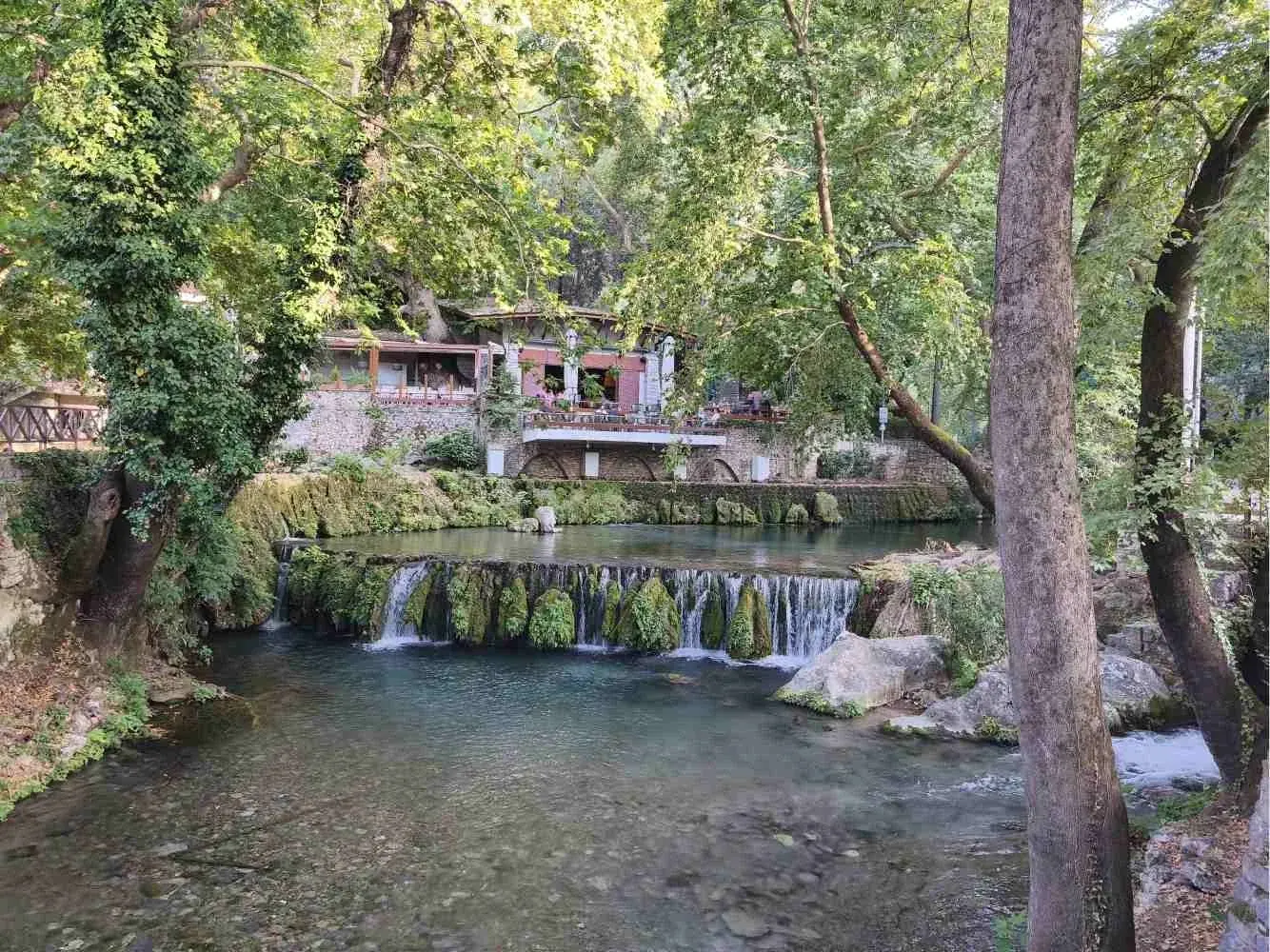
Follow the water in Krya
Plan a riverside walk during your time in Livadia.
Explore Krya →Keep exploring
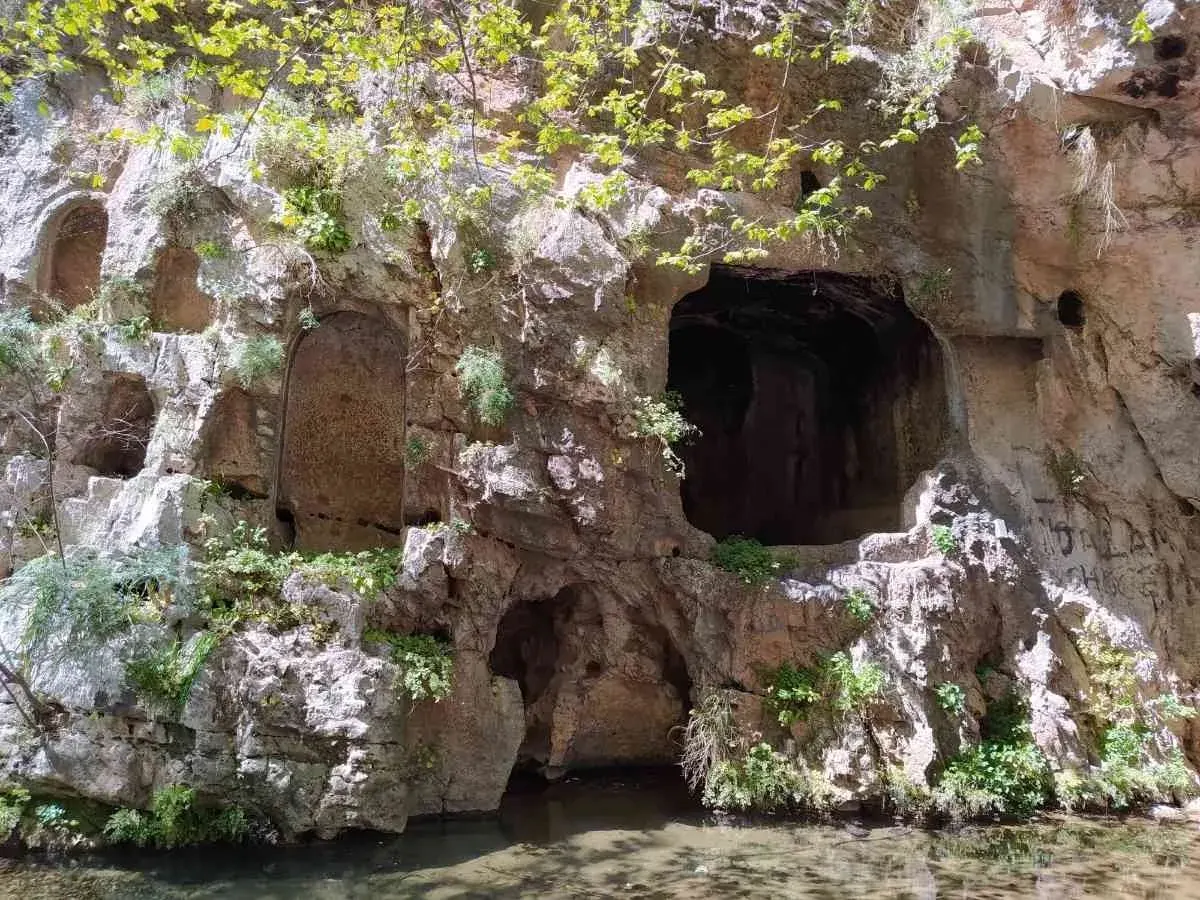
The Oracle of Trophonios in Livadia
Explore the guide →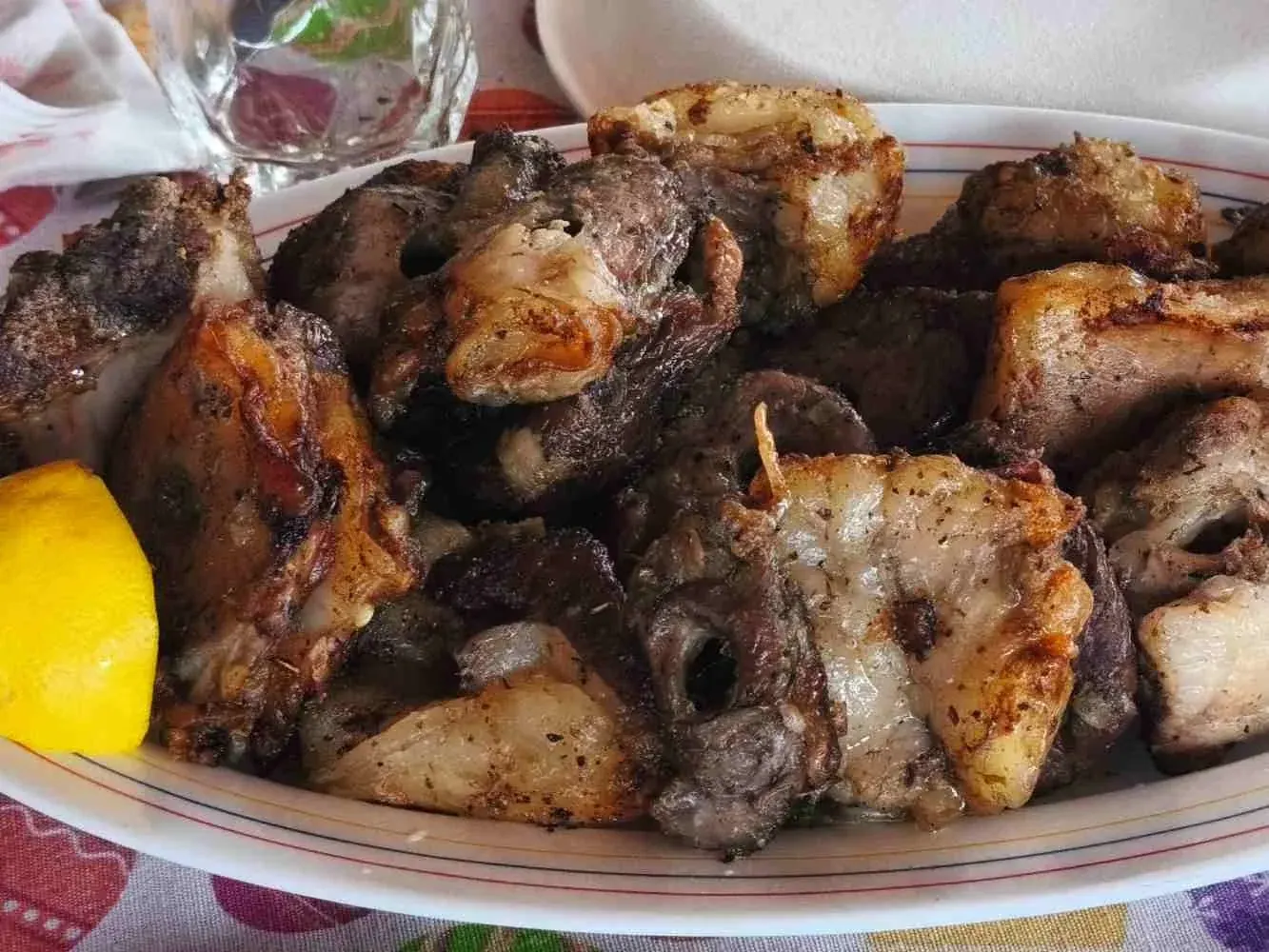
Food in Livadia
Explore the guide →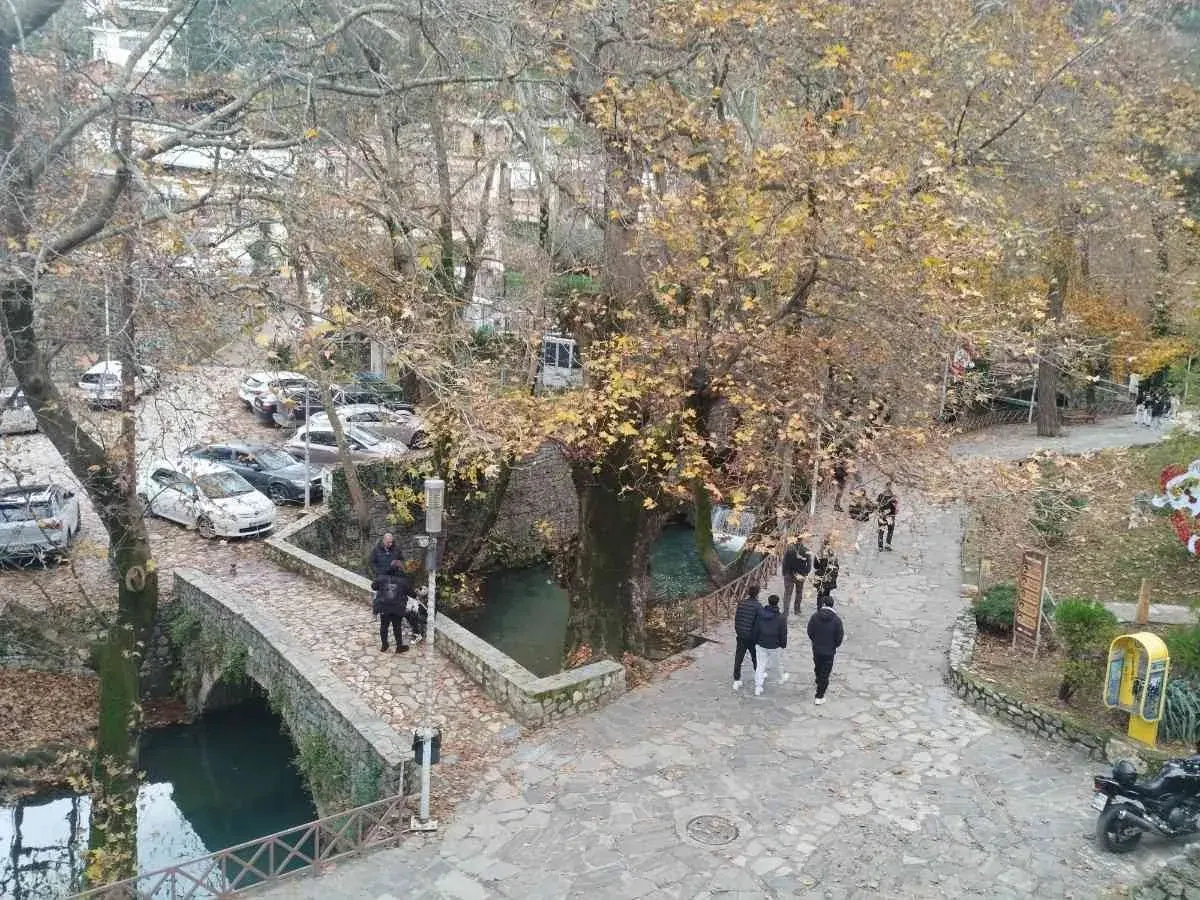
One Day in Livadia
Explore the guide →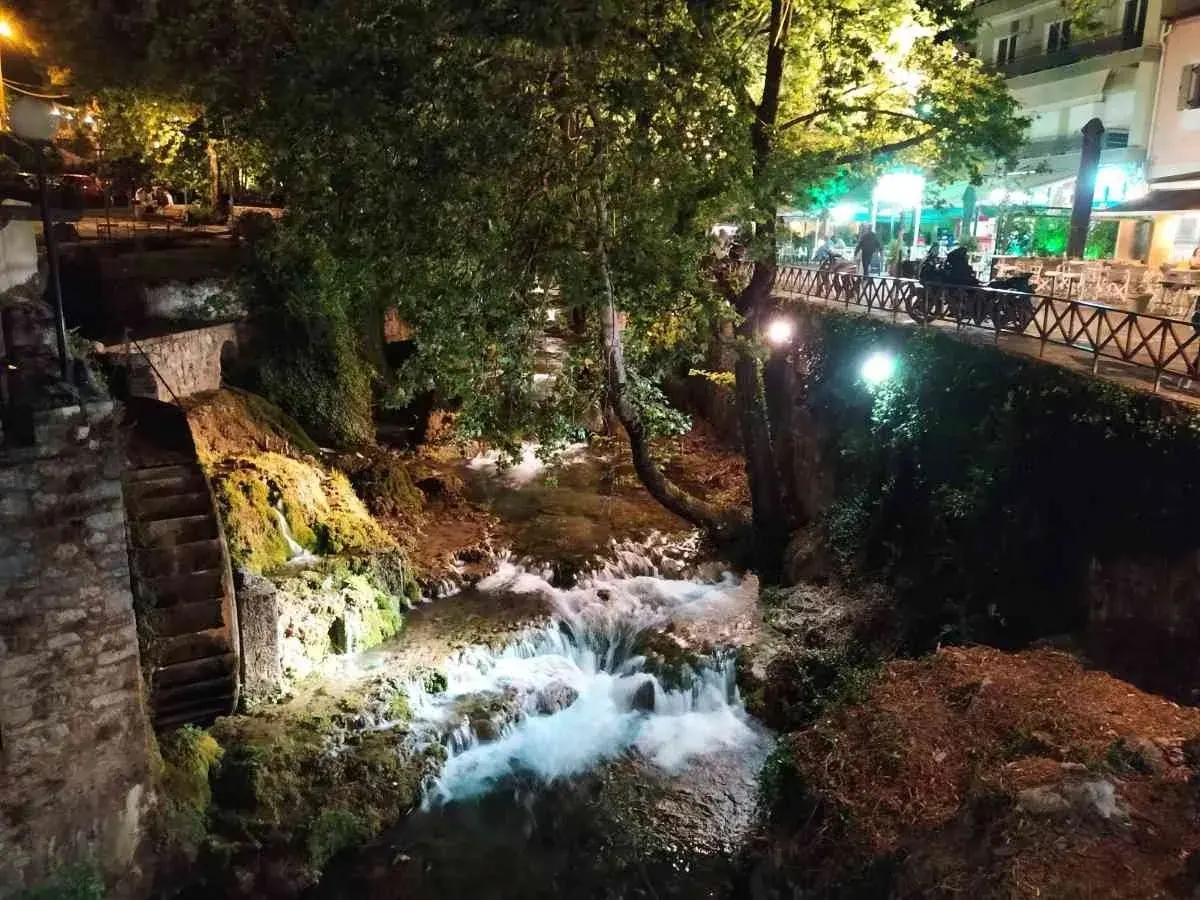
Romantic Livadia
Explore the guide →Visit Livadia · Rivers, food and stories of Central Greece