
VISIT LIVADIA · CENTRAL GREECE
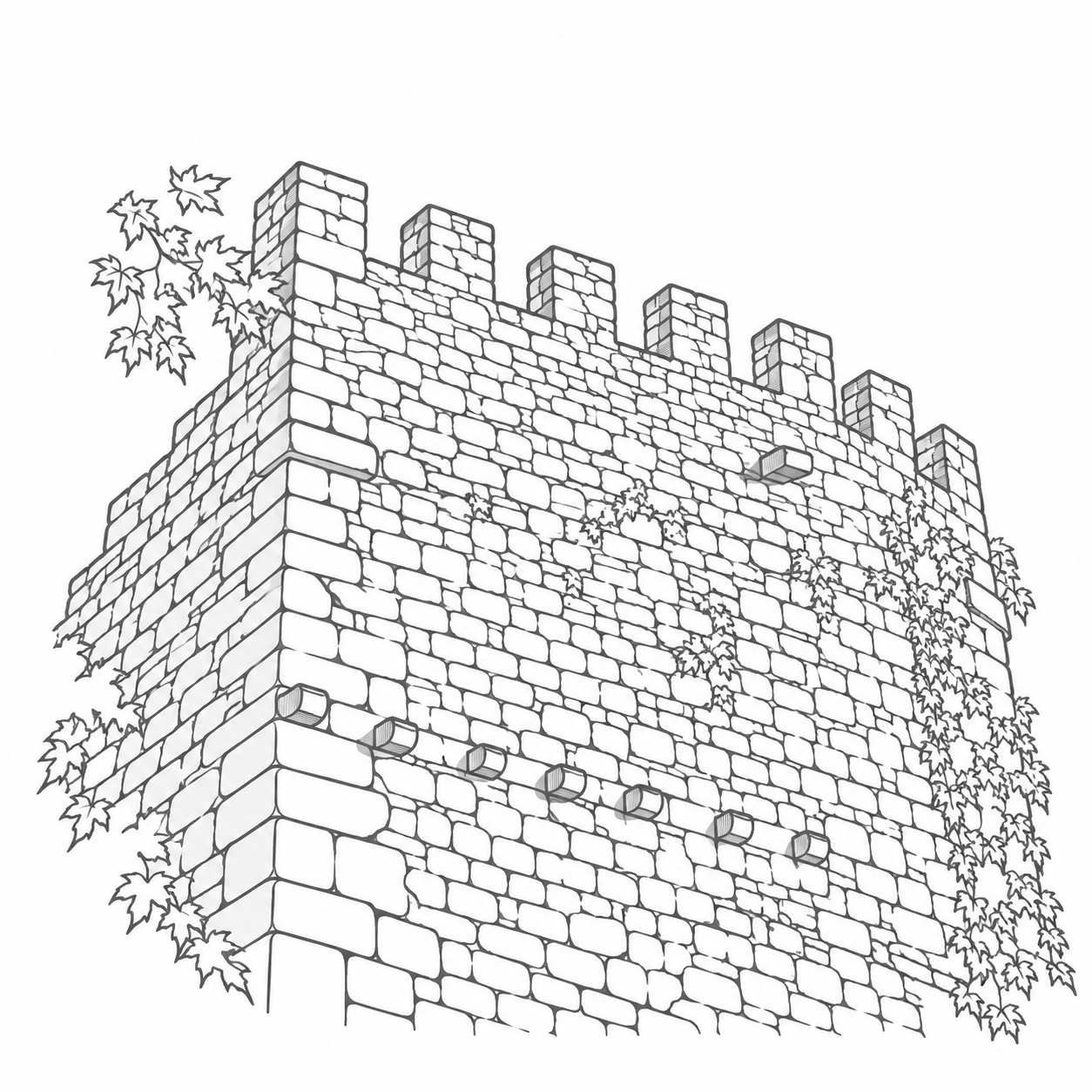
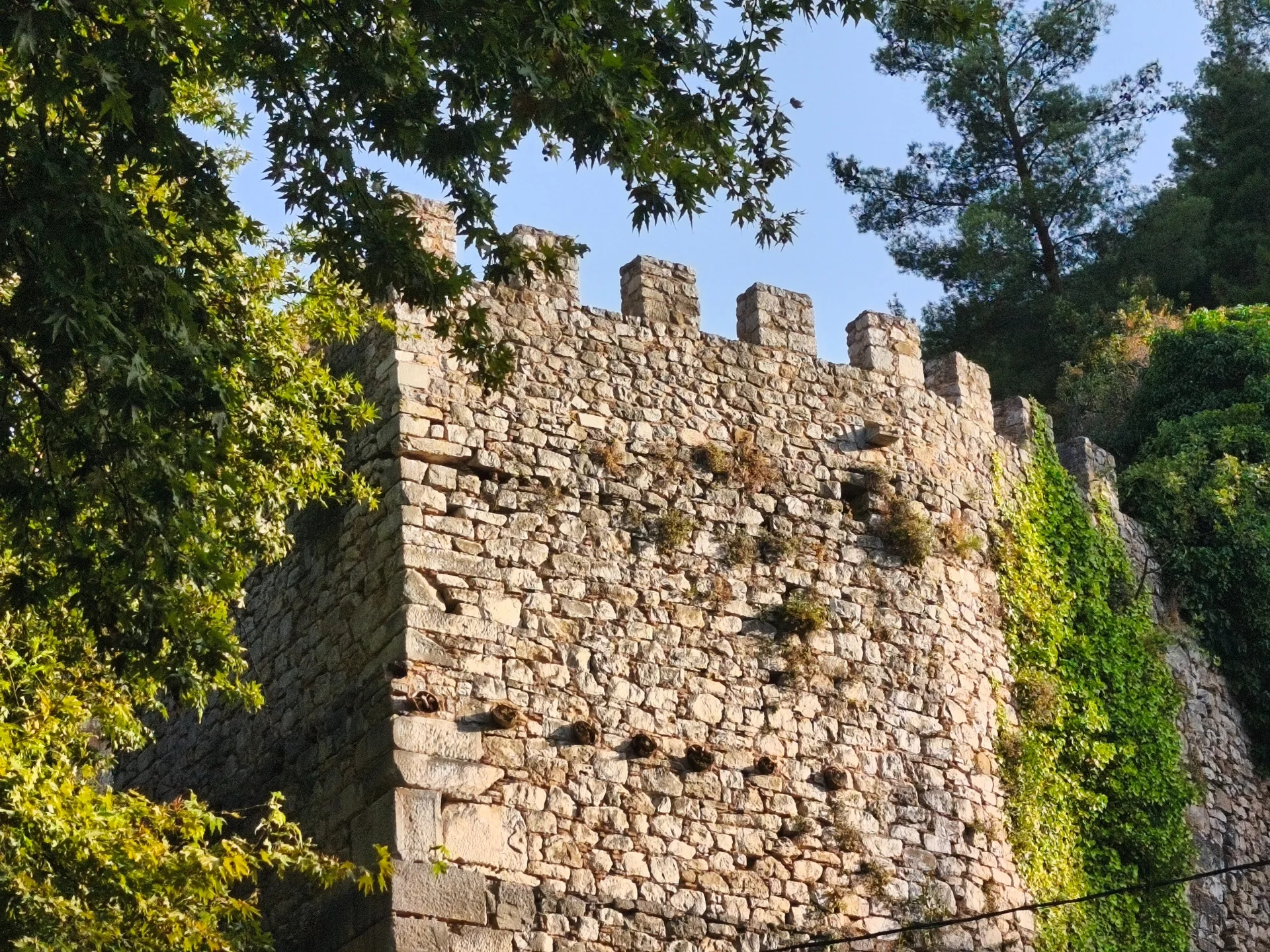
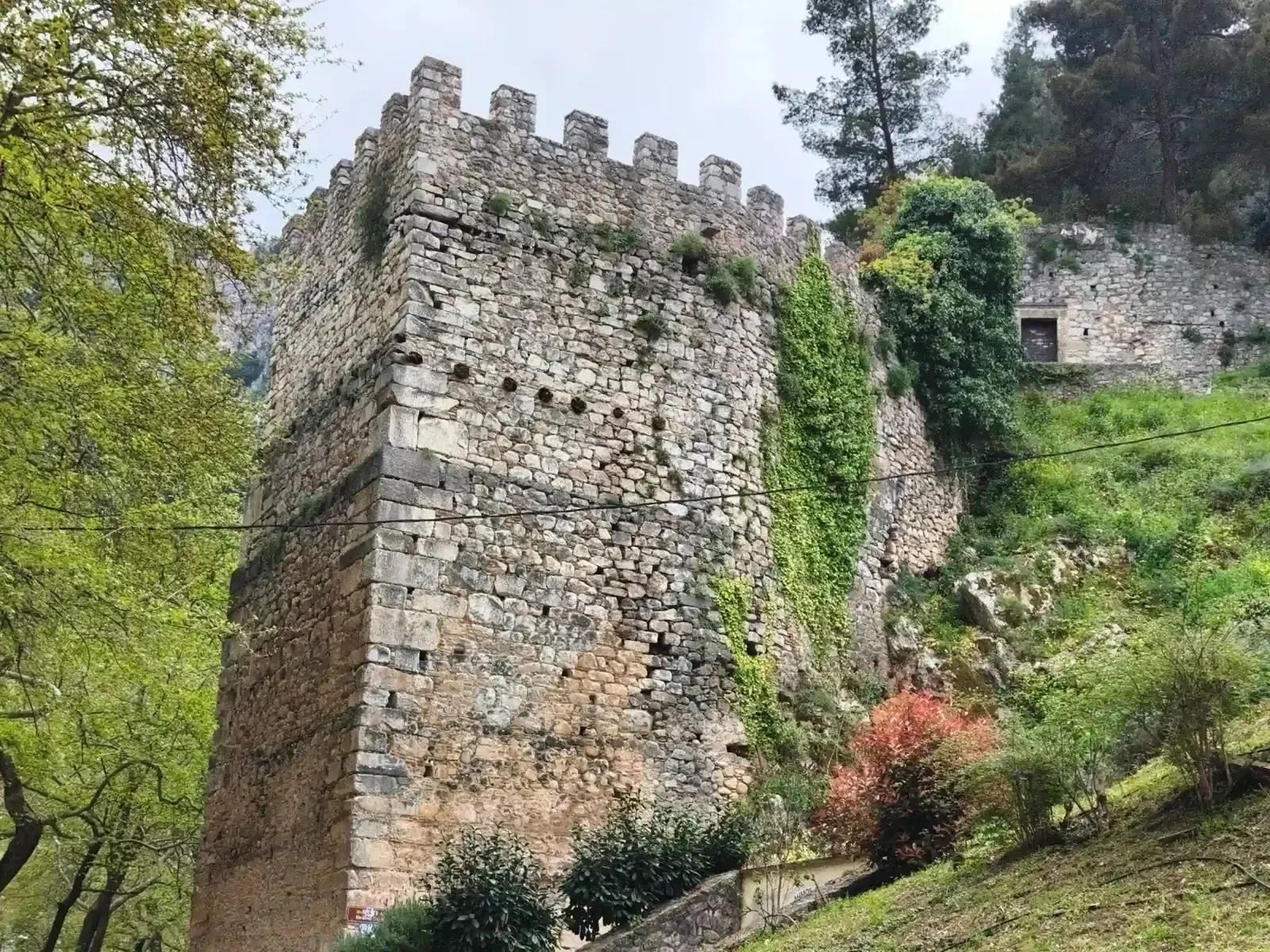
Stone walls of Livadia CastleThe Castle of Livadia
Medieval walls and Agia Sofia above Krya, reached by an optional uphill walk.
Explore the guideFind your bearings
In the landscape
Livadia Castle within the town

The Castle of Livadia
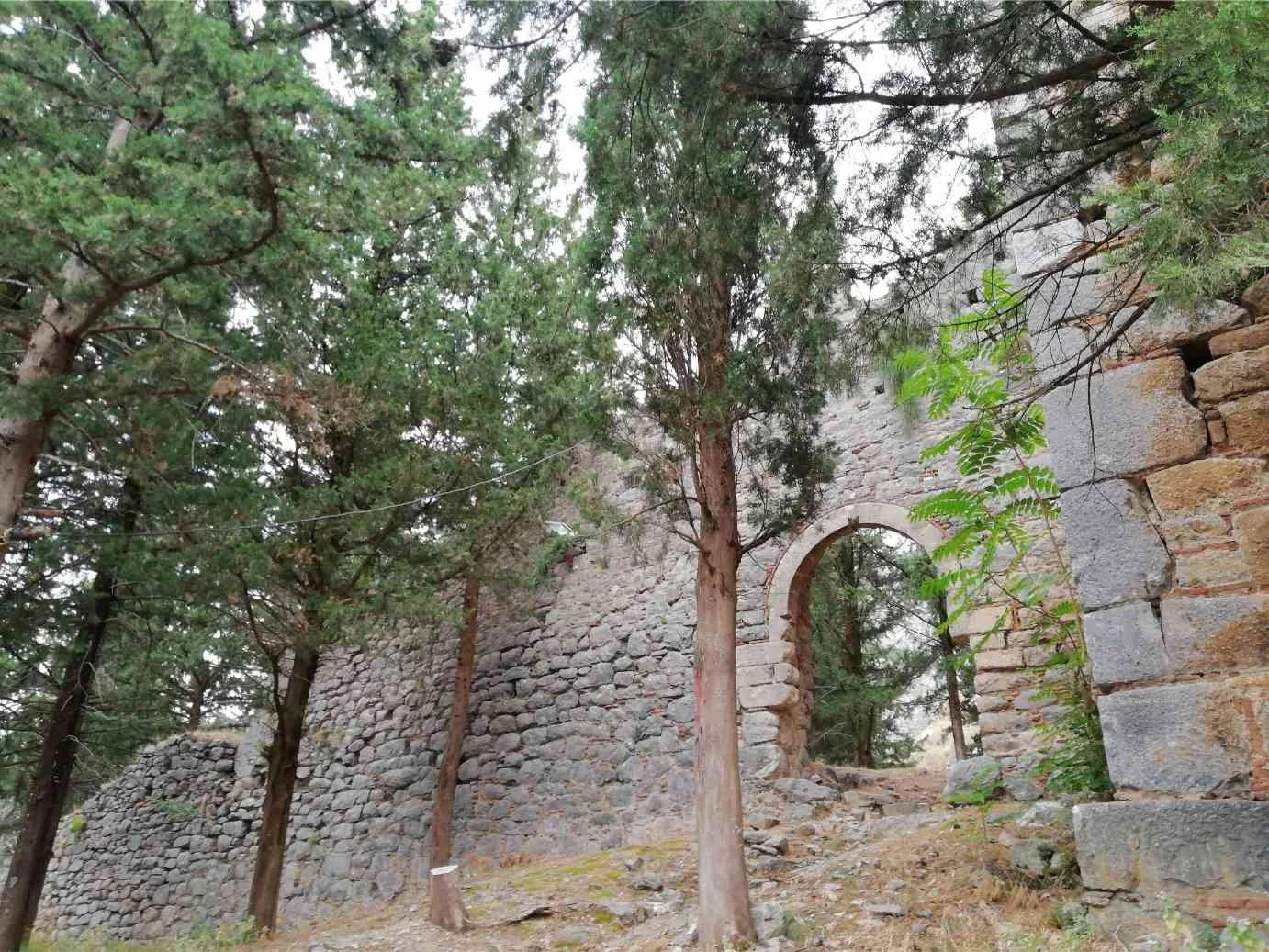
Above Krya, the medieval walls put Livadia’s river gorge and townscape into perspective. The castle became an important Catalan stronghold after the conquest of Livadia in 1311, and its surviving fortifications reflect several phases of building and repair.
If you choose to walk up
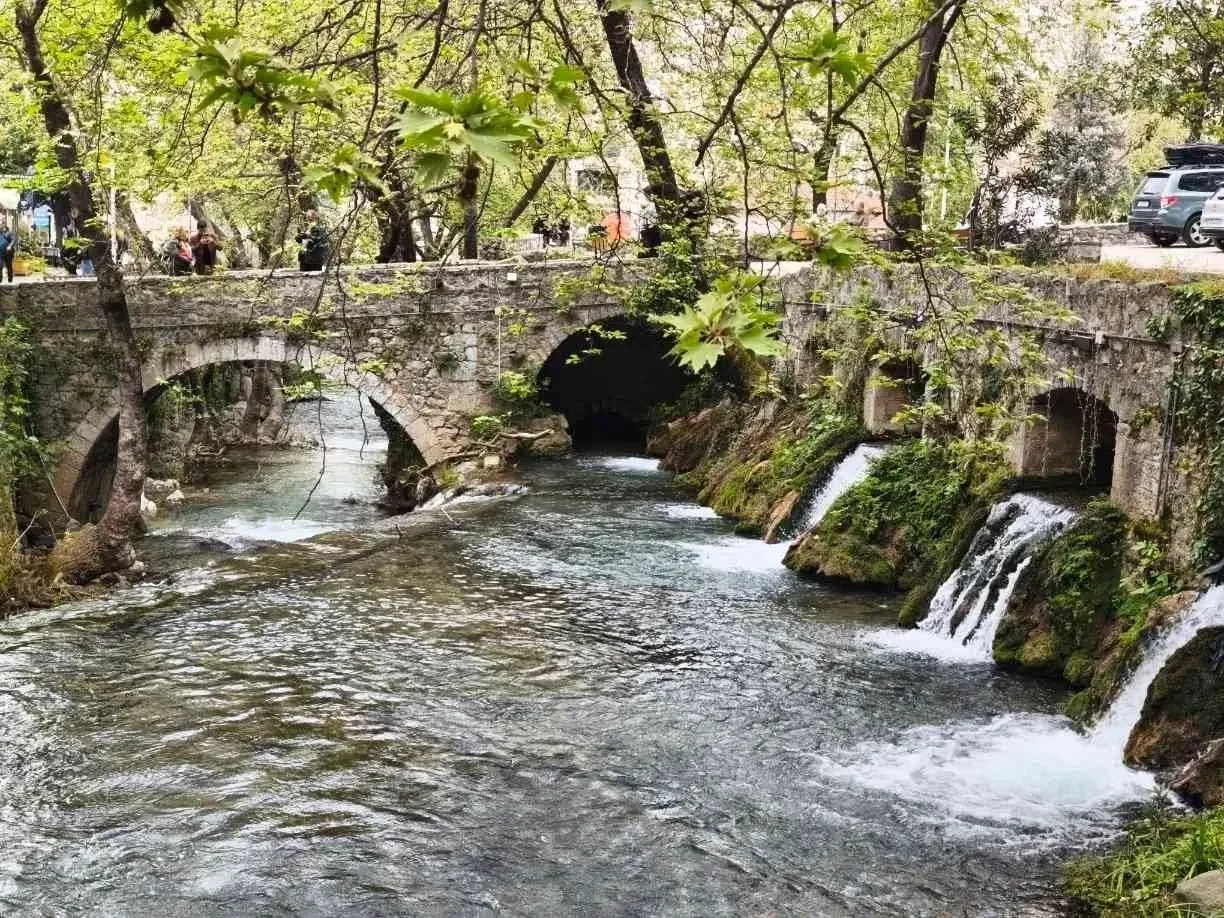
- Begin beside the water in Krya. Enjoy the bridges and riverside area before deciding whether the climb suits your group.
- Take the established uphill approach. Wear shoes with grip and follow on-site signs. Avoid shortcuts over walls or unstable ground.
- Pause for the view over Livadia. Leave enough daylight and energy for the descent, then return to town for a meal.
The Oracle Below
The Oracle of Trophonios belongs to the ancient sacred landscape of Livadia. Its precise underground setting has not been securely identified for a public visit. Read the oracle’s story alongside the castle and river, without treating the castle as an entrance to an excavated oracle chamber.
Practical Notes
Bring water and wear shoes with grip. Allow enough daylight for the descent; a late-afternoon start should leave time to return before dark.
Access today
The castle is an unticketed site without an organised tourist reception. Do not expect a staffed entrance or visitor services. Follow any on-site restrictions and avoid entering unstable or closed areas.
A closer look
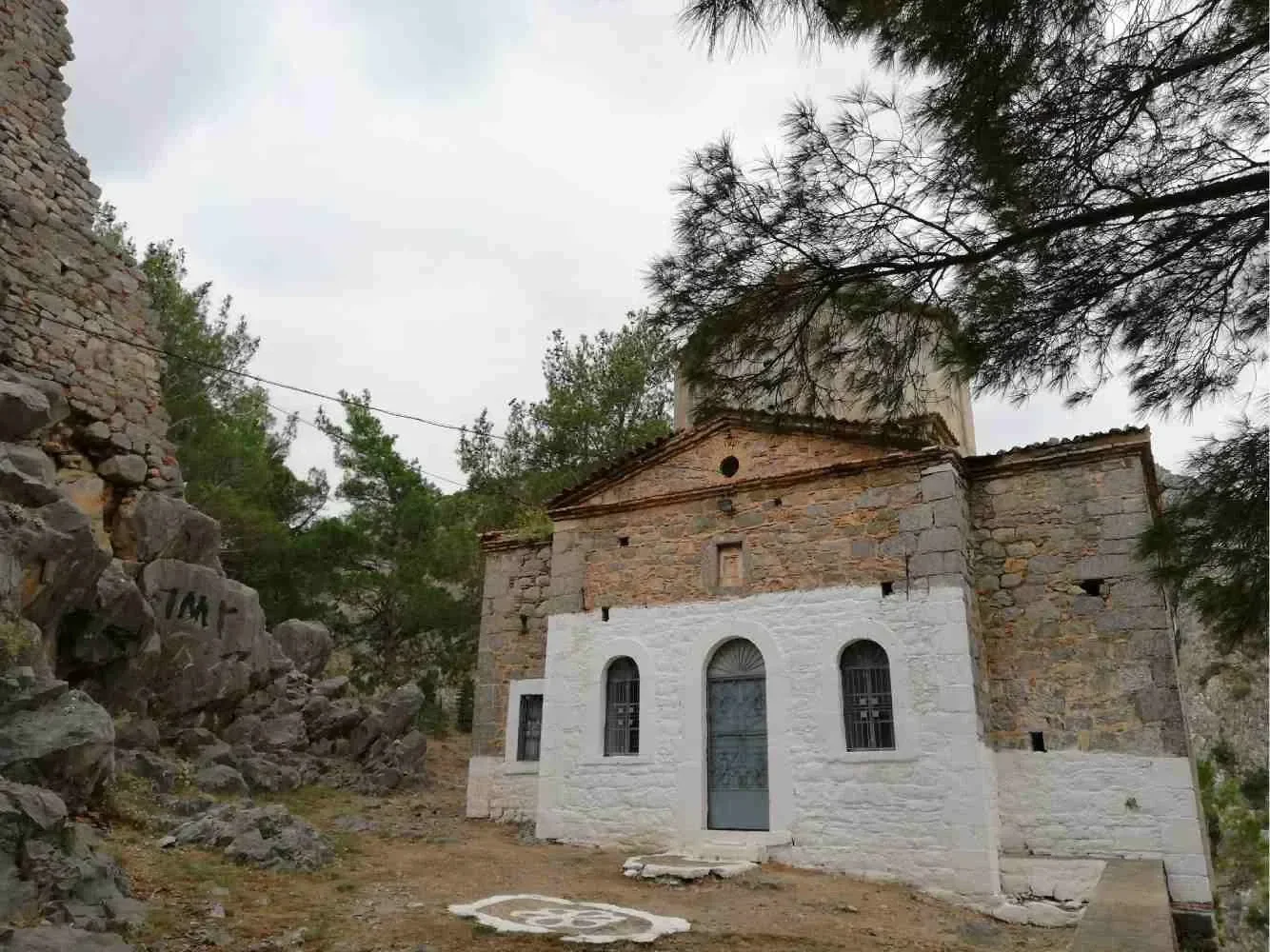
Agia Sofia within the castle
The church inside Livadia Castle is Agia Sofia (Saint Sophia). The present upper church dates to around 1900, above a medieval cistern later adapted as a chapel of Agia Varvara (Saint Barbara).
Historical reference: Hellenic Ministry of Culture, technical description.
Continue exploring
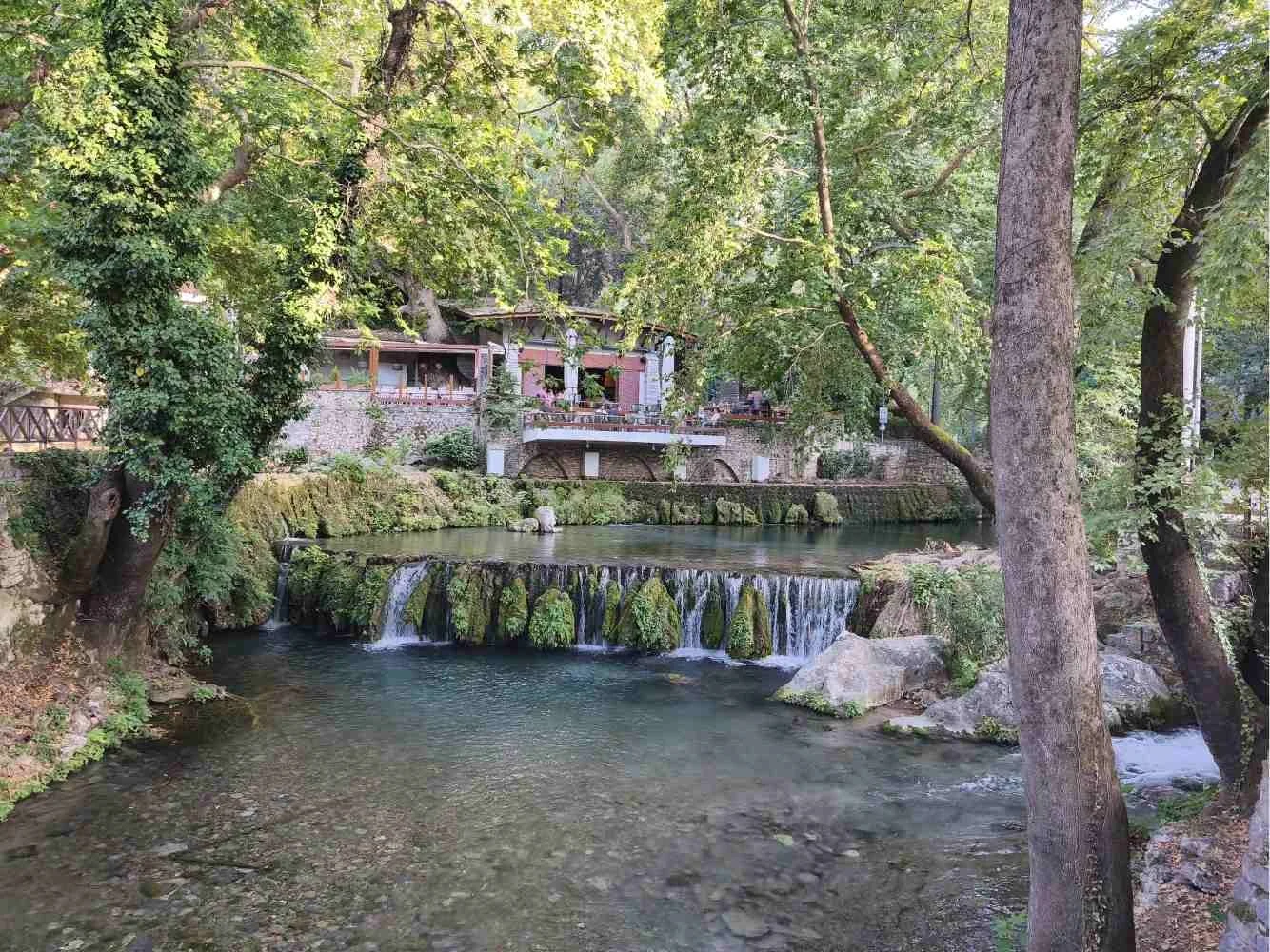
Follow the water in Krya
Plan a riverside walk during your time in Livadia.
Explore KryaFind your next stop
Keep exploring
Krya, Livadia
Explore the guide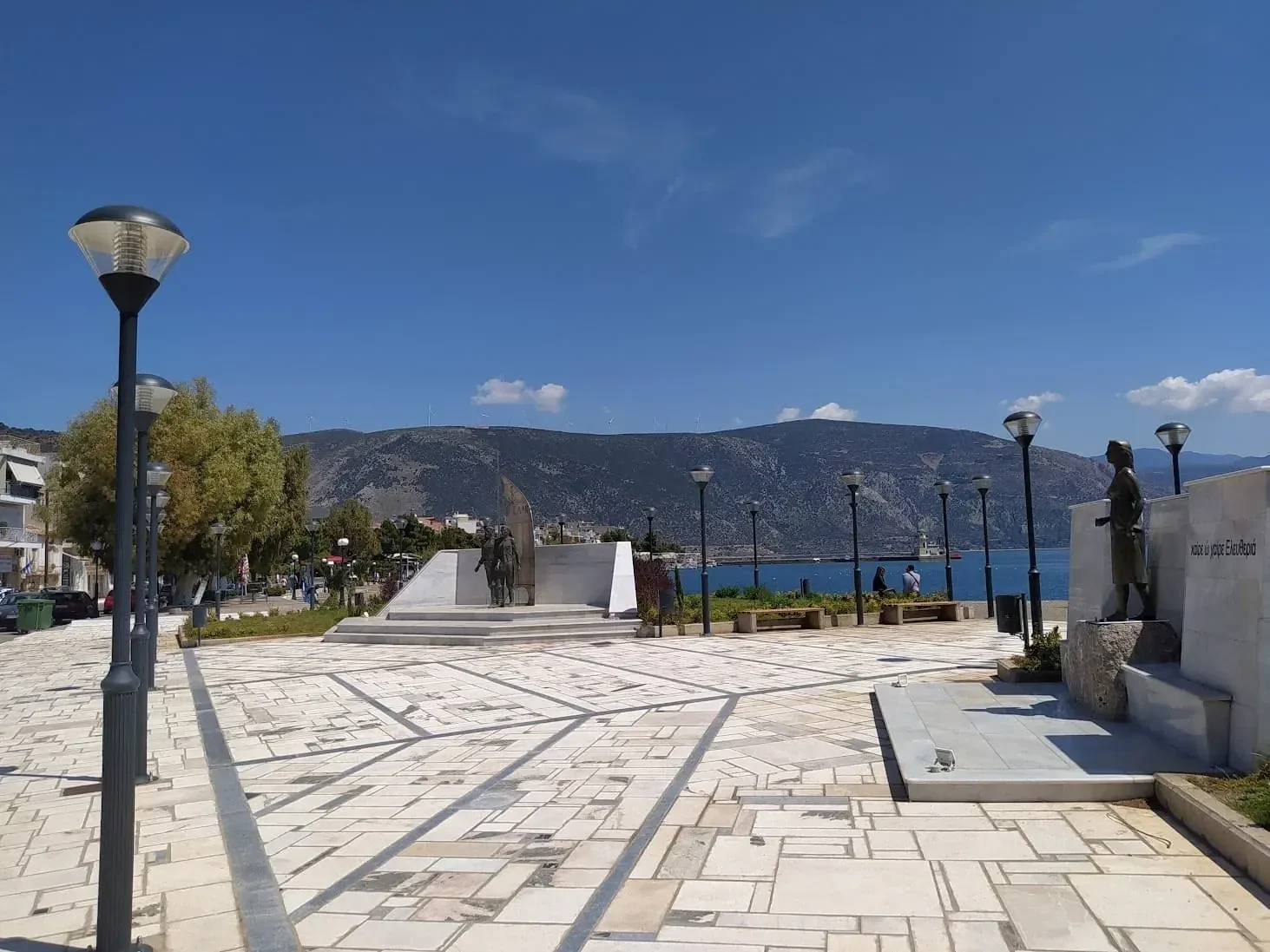
Day Trips from Your Livadia Base
Explore the guide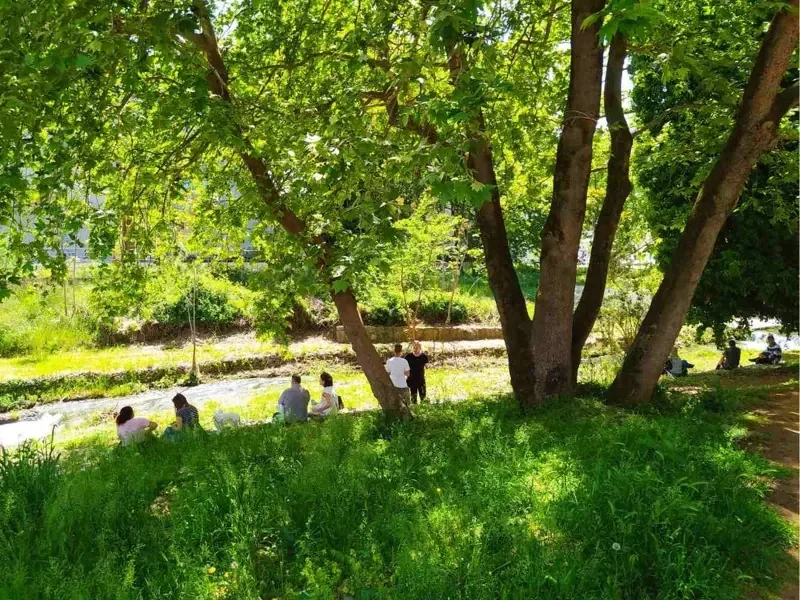
Experiences in and around Livadia
Explore the guide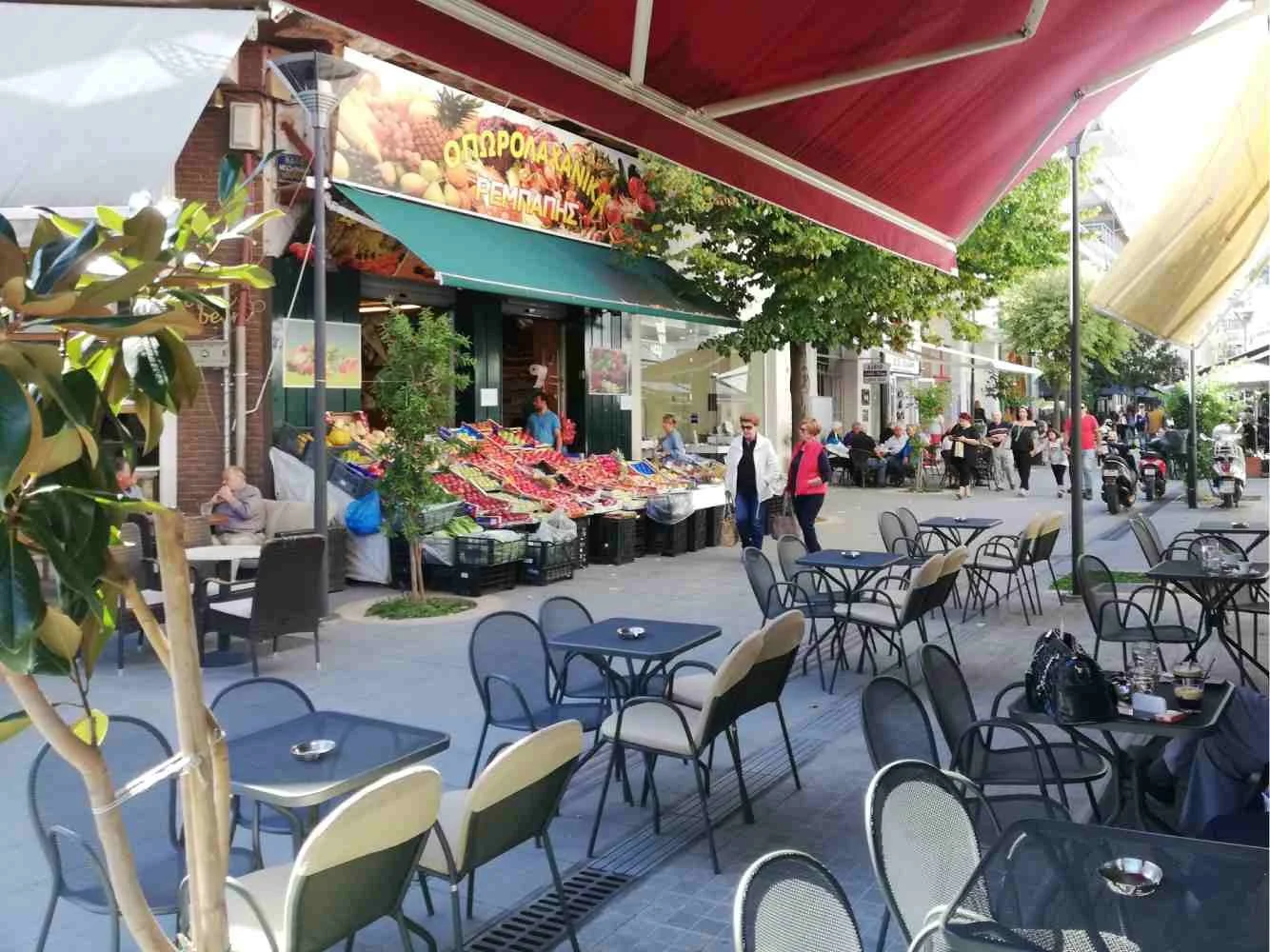
Practical Travel Guide to Livadia
Explore the guideVisit Livadia · Rivers, food and stories of Central Greece