Livadia Through History
Discover the city through its river, castle, working buildings and neighbourhood memory.
Explore the guide ↓Livadia’s history becomes easier to follow when you connect it to places you can see. Begin beside the river, look up towards the castle and then leave time for the streets and neighbourhoods of the modern town.
Ancient Lebadeia: worship in a powerful landscape
The ancient city was closely associated with Trophonios and his oracle. Krya gives this history a setting of water and rock, although the oracle’s precise opening has not been identified. Read the Trophonios story before your walk, then keep the ancient account separate from the rock-cut features visible today.
The unfinished Temple of Zeus Basileus on Profitis Ilias is another part of ancient Lebadeia’s religious landscape. Its remains add context to the scale of ancient ambitions here; any visit to the hill needs its own access planning rather than being assumed part of the easy riverside walk.
The castle and the medieval town
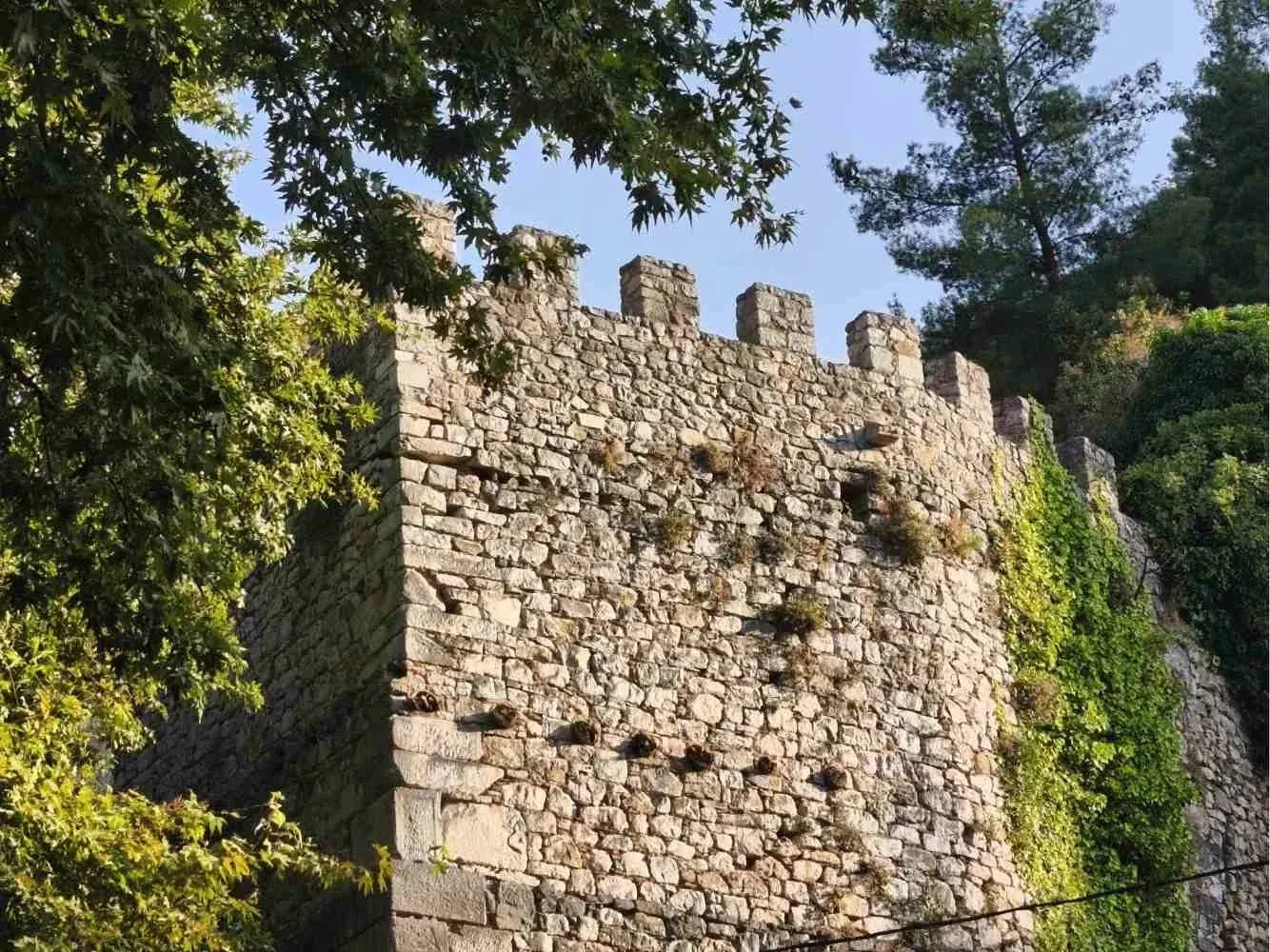
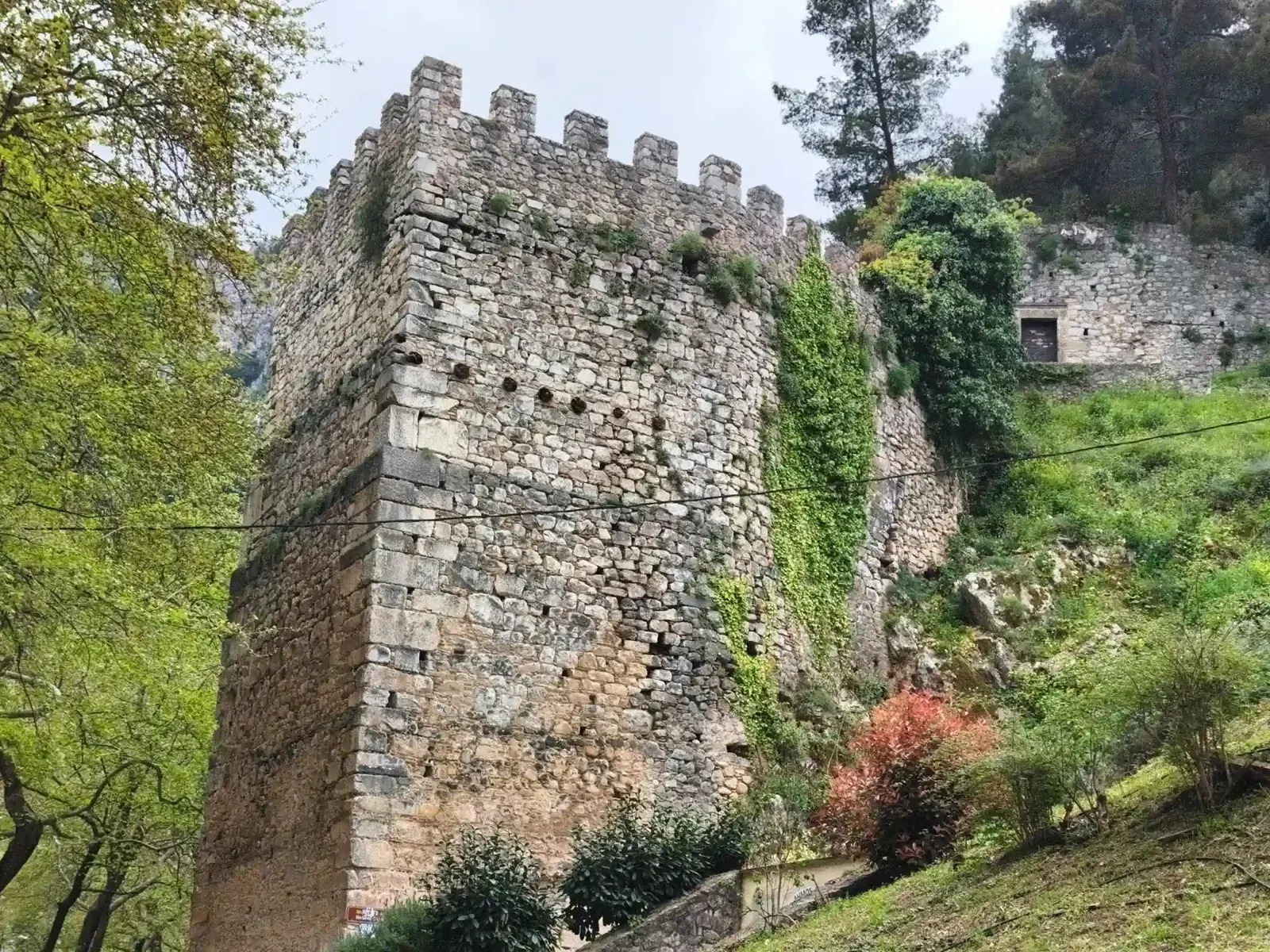
The castle introduces another chapter, with medieval fortification and a strong connection to the Catalan period. Look at its position above the town and gorge: the relationship between walls and terrain explains more than a photograph of one tower can.
Choose the uphill visit when the surface and weather suit you. The changing perspective is part of its interest, but an outdoor visit does not guarantee entry to every tower or interior space.
From Ottoman town to a working riverside
The municipal guide records the Ottoman mosque of Gazi Omer Bey as part of the historic centre and describes Livadia’s role during the Greek War of Independence. These layers extend the story beyond antiquity. Read surviving buildings as evidence of a town that changed over time, rather than expecting one preserved historic quarter.
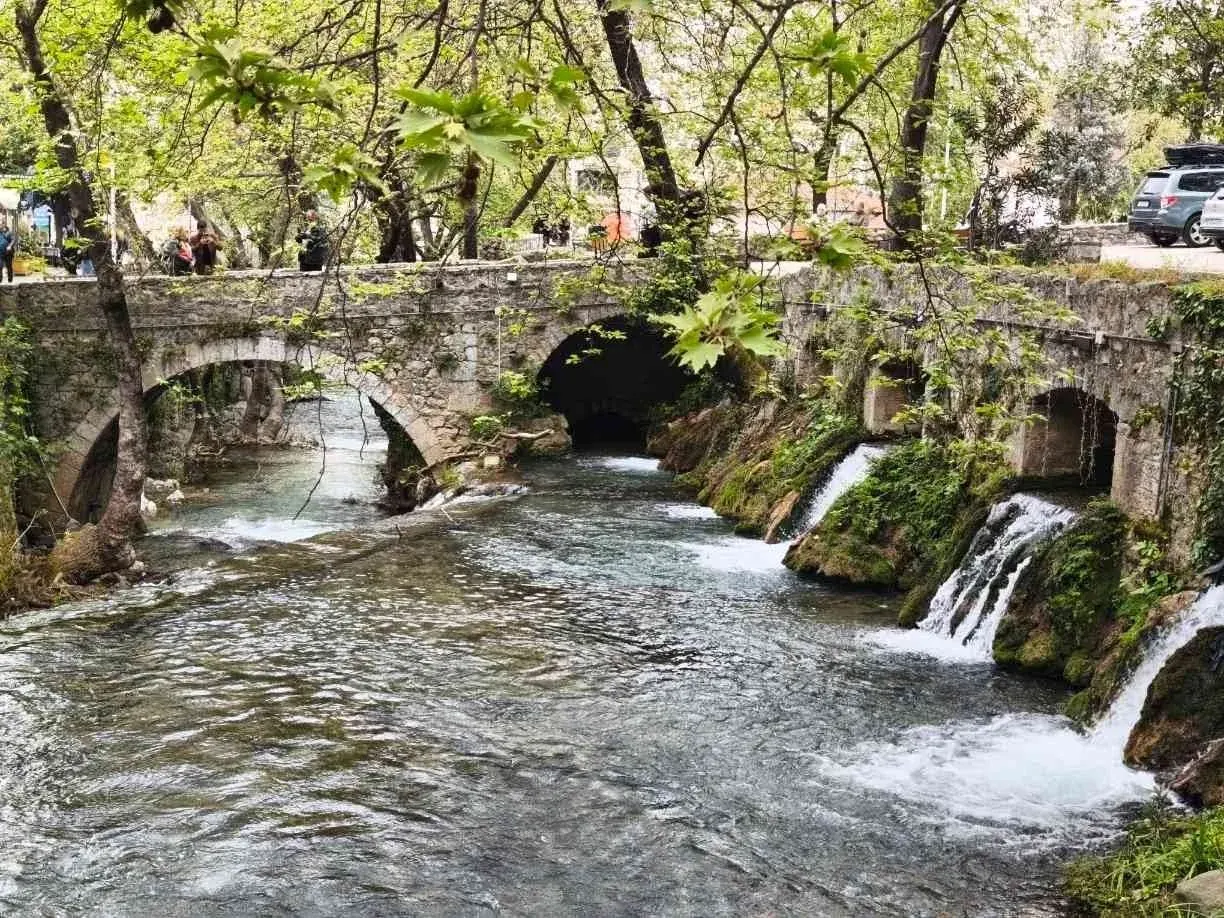
Later, cotton and water power helped shape economic life. At the river, the Neromylos and Nerotrivi recall milling and the treatment of cloth. Give these buildings attention during your Erkina walk: the water once supported livelihoods as well as the leisure setting you see today.
New homes and difficult memories
In Synoikismos, the Church of Agios Meletios and the Asia Minor Mother memorial introduce the history of refugees making a new home in Livadia. Read the memorial’s inscriptions and give the neighbourhood time beyond a photograph.
The city also commemorates occupation-era loss. At Ethnikis Antistasis Square, remembrance centres on ten residents hanged by Nazi occupation troops on 11 September 1943. That history belongs to the town itself, alongside the better-known regional memorials. See battles and memory for the wider context.
Build your own historical day
Start with Krya, choose the castle if you want the ascent, and then make one further town stop that interests you. Save Chaeronea and Orchomenos for another day from your Livadia base. A museum visit there can deepen what you have learned without turning the city day into a regional road trip. Finish with time to talk over a meal in town.
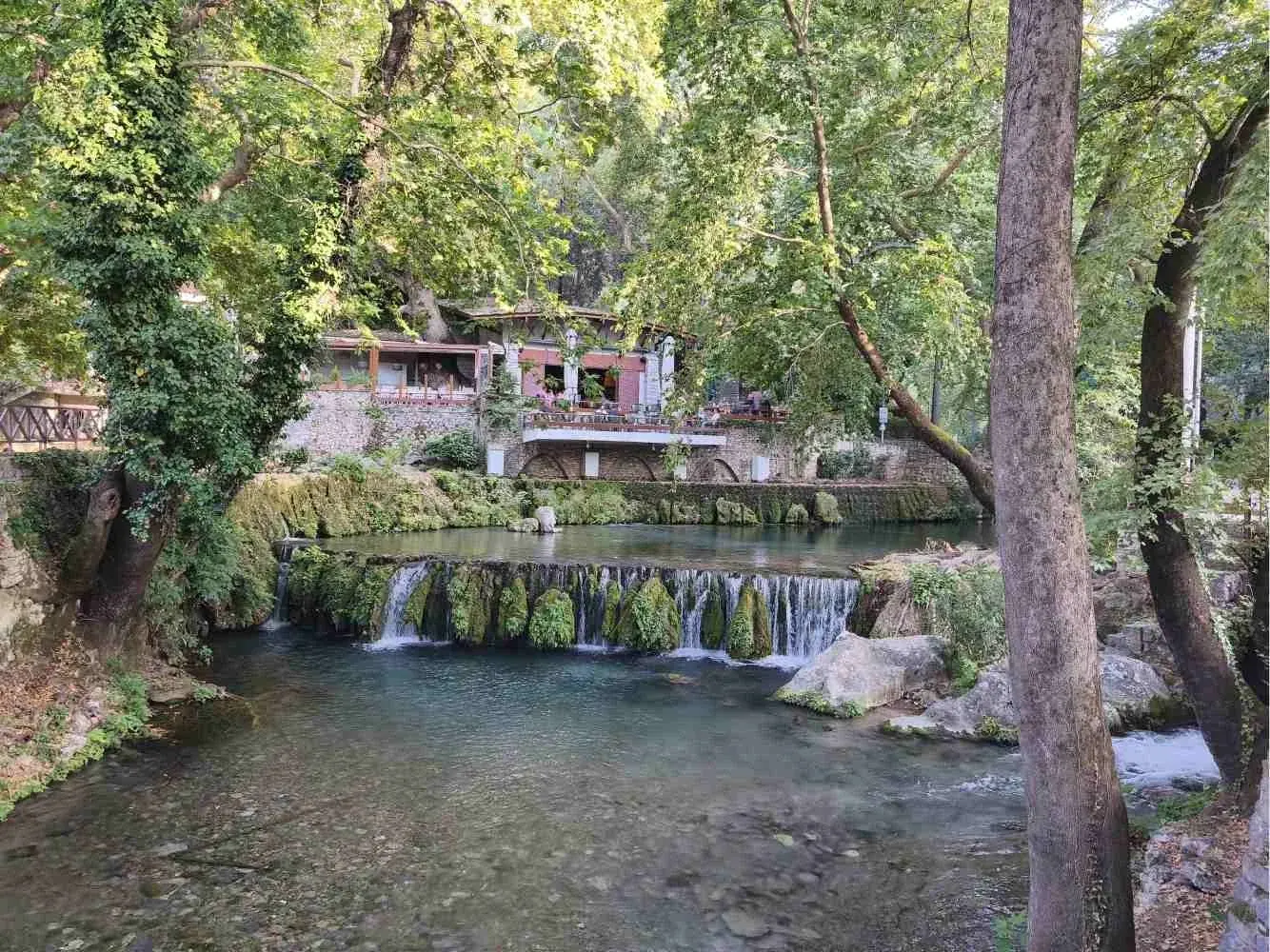
Follow the water in Krya
Plan a riverside walk during your time in Livadia.
Explore Krya →Keep exploring
Rivers, Myths and Roumeli Life in Central Greece
Explore the guide →Krya, Livadia
Explore the guide →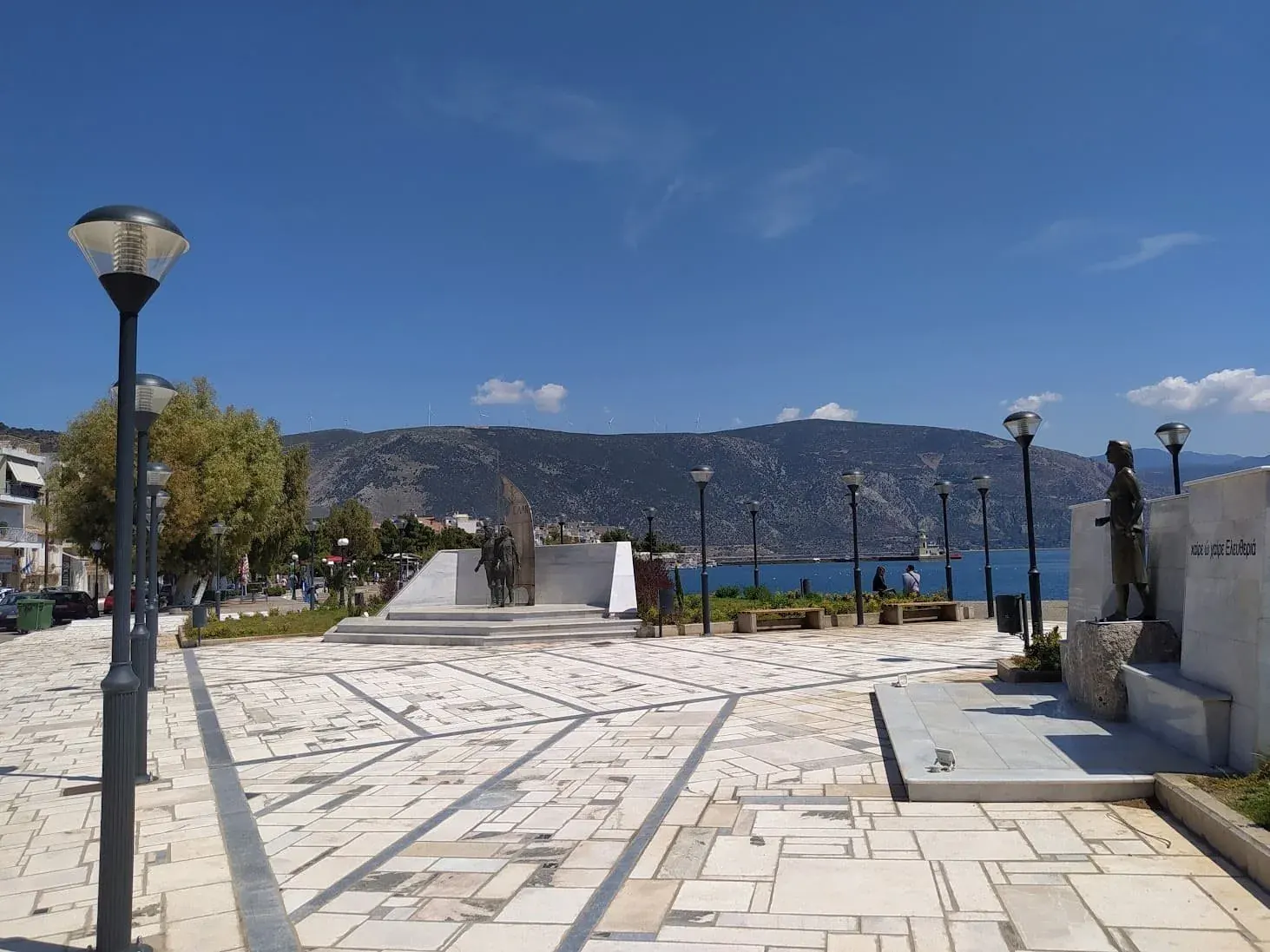
Day Trips from Your Livadia Base
Explore the guide →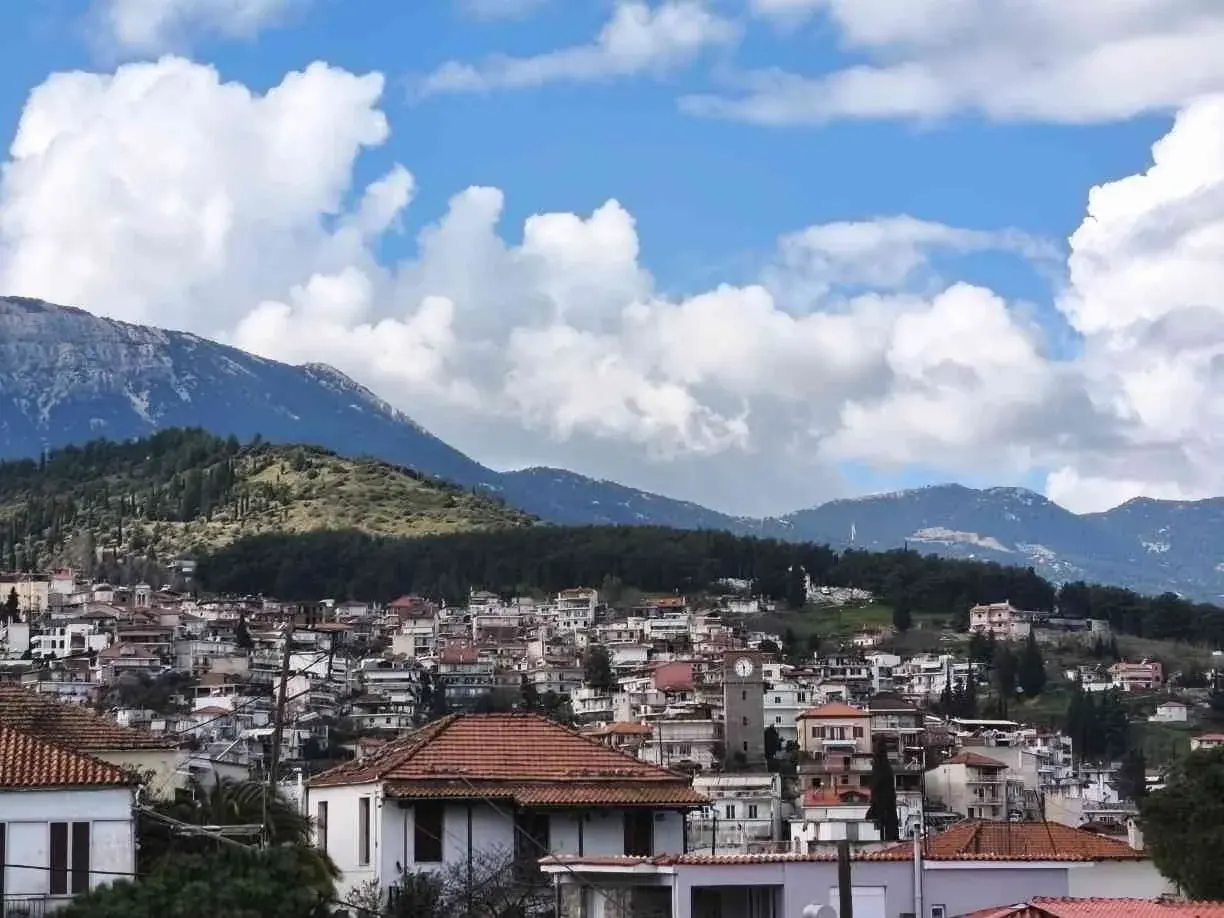
Experiences in and around Livadia
Explore the guide →Practical Travel Guide to Livadia
Explore the guide →Visit Livadia · Rivers, food and stories of Central Greece