Battles and Memory around Livadia
Ancient battlefields, medieval walls and modern remembrance, explored from a Livadia base.
Explore the guide ↓The monuments around Livadia tell different stories of war and its consequences. Use the city as your base to understand them one period at a time, keeping battlefield history distinct from the remembrance of civilians.
338 BC: the Lion of Chaeronea
At Chaeronea, the marble Lion commemorates Theban soldiers killed in the battle in which Philip II of Macedon defeated the allied Greek forces. Begin with the monument and then visit the archaeological museum beside it, where objects place the military story alongside everyday life.
Look out towards the surrounding plain and consider the difference between a landscape and a memorial: one helps you understand the setting, while the other shows how people chose to remember the dead. The Lion is not a monument to Sulla’s much later campaign.
86 BC: Sulla, Chaeronea and Orchomenos
Sulla’s Roman forces fought armies of Mithridates VI in this region centuries after Philip’s victory. Chaeronea and Orchomenos belong to separate battles within that campaign, so references to Sulla should not be merged with the story of 338 BC.
Research on the trophy from Orchomenos provides evidence for the commemoration of the Roman victory. Scholarly proposals about a possible trophy base near Chaeronea concern a different monument and remain an interpretation requiring further investigation. Neither is presented here as an independently accessible tourist stop; use the established museum and monument visits to frame the history.
Medieval defence and the struggle for independence
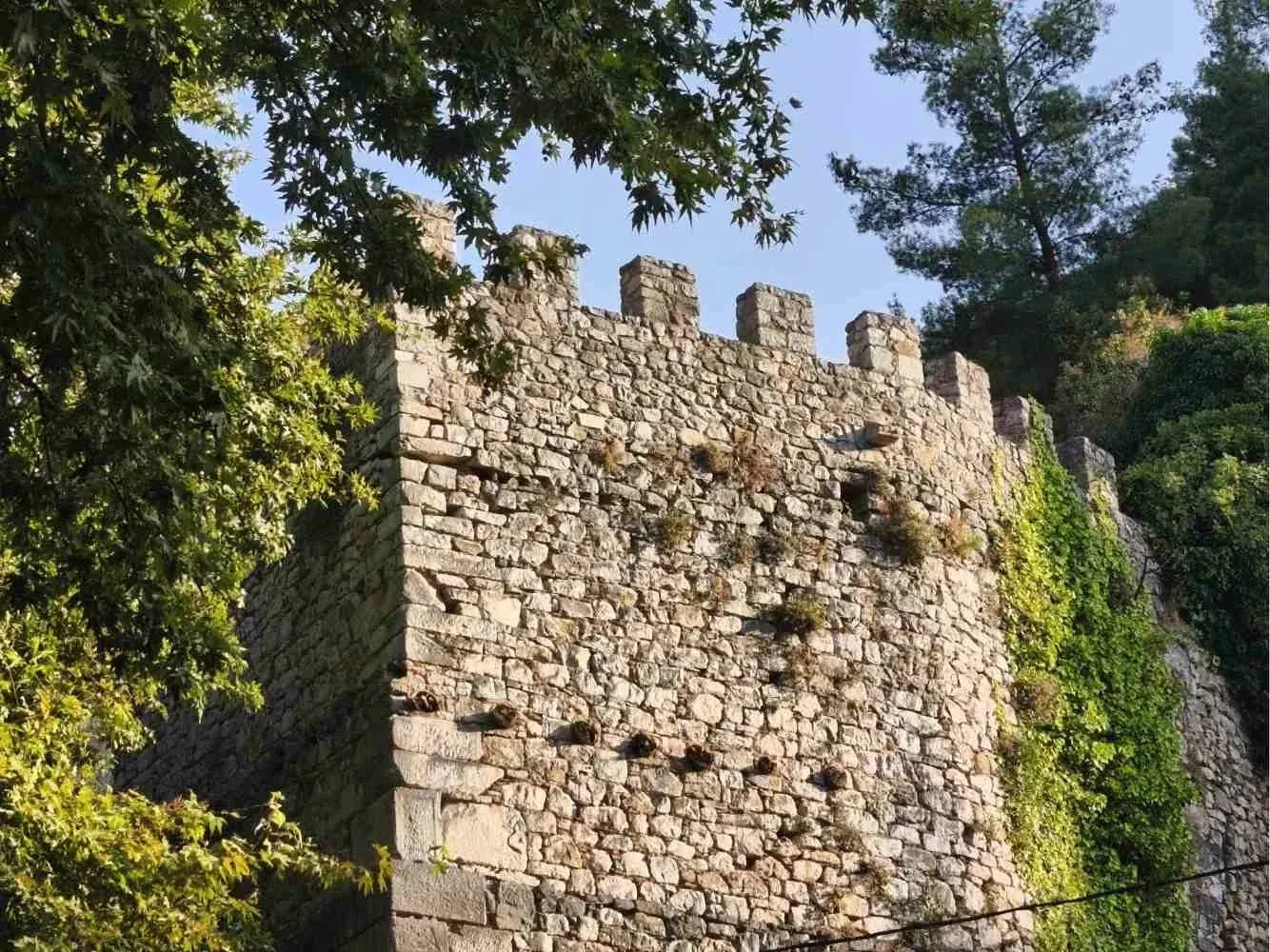
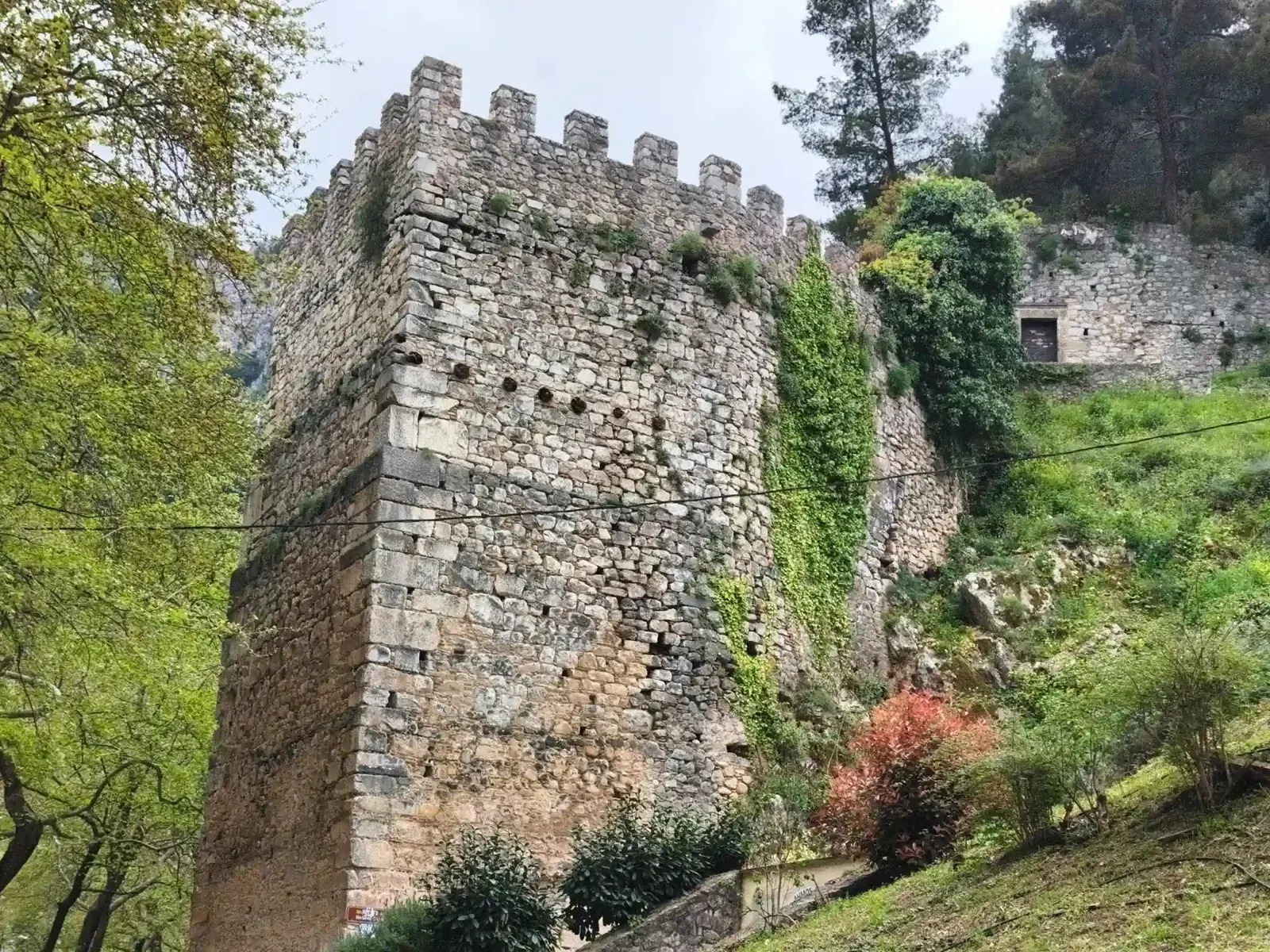
Back in Livadia, the castle walls show how control of the town also depended on high ground. Their Catalan connection belongs to the medieval history of the region, a different world from the ancient battles on the plain.
Livadia later played a role in the Greek War of Independence. The city history guide connects this broader change with the town’s surviving layers. Keep the visit focused on what can be understood from buildings and dependable accounts, rather than treating every viewpoint as a precisely identified battlefield.
Occupation and the memory of civilians
Livadia’s own memorial at Ethnikis Antistasis Square recalls ten residents hanged on 11 September 1943 by Nazi occupation troops. The municipality continues to commemorate them at the site. Stop to read and reflect: this is part of the city’s living memory.
A separate excursion can include Distomo, associated with the massacre of civilians in June 1944, and its places of remembrance. Kyriaki also carries the history of wartime destruction. These are communities and memorials, not battlefield attractions to collect. Avoid assuming that every museum or memorial interior is open without checking.
Plan a thoughtful visit
Give Chaeronea and Orchomenos a day shaped by museum opening times. On another day, choose a focused remembrance visit if it interests you. With children, decide in advance which material is suitable for their age and allow room for questions. Return to Livadia without overloading the day; reading and conversation can be as valuable as an additional stop.
This is a selected journey from antiquity to modern remembrance, not an exhaustive catalogue of every conflict. For archaeological context, see the Ancient Boeotia route.
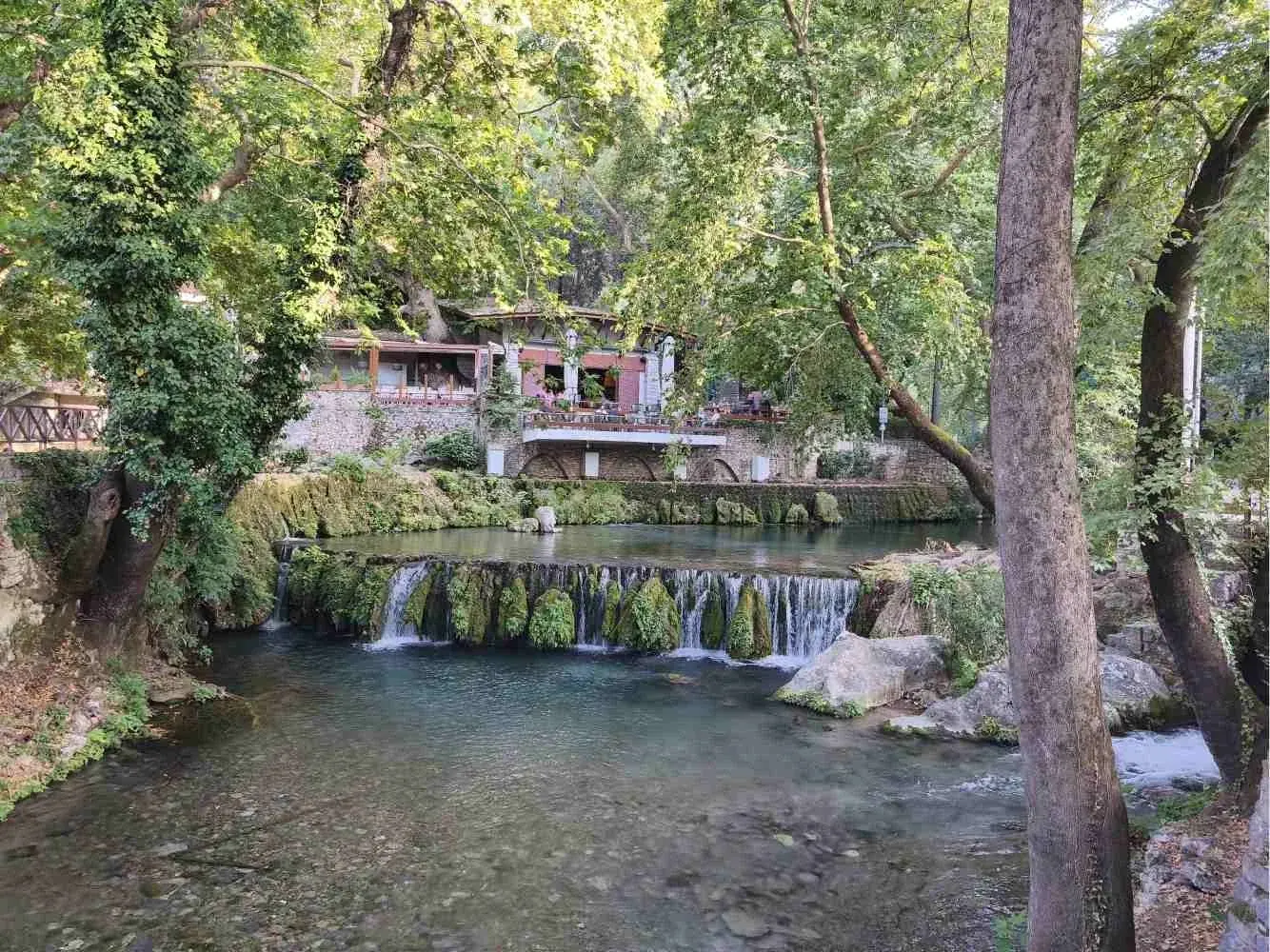
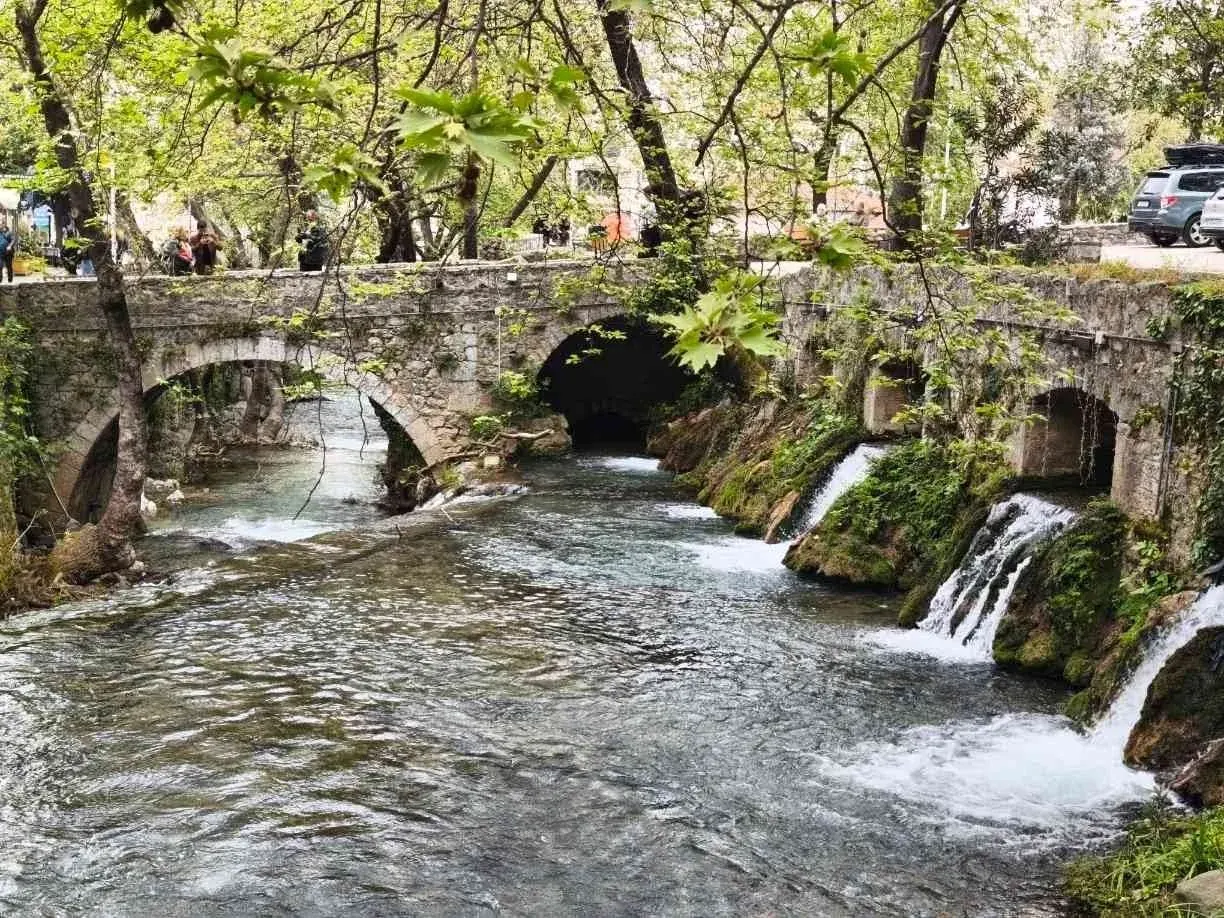
Follow the water in Krya
Plan a riverside walk during your time in Livadia.
Explore Krya →Keep exploring
Rivers, Myths and Roumeli Life in Central Greece
Explore the guide →Krya, Livadia
Explore the guide →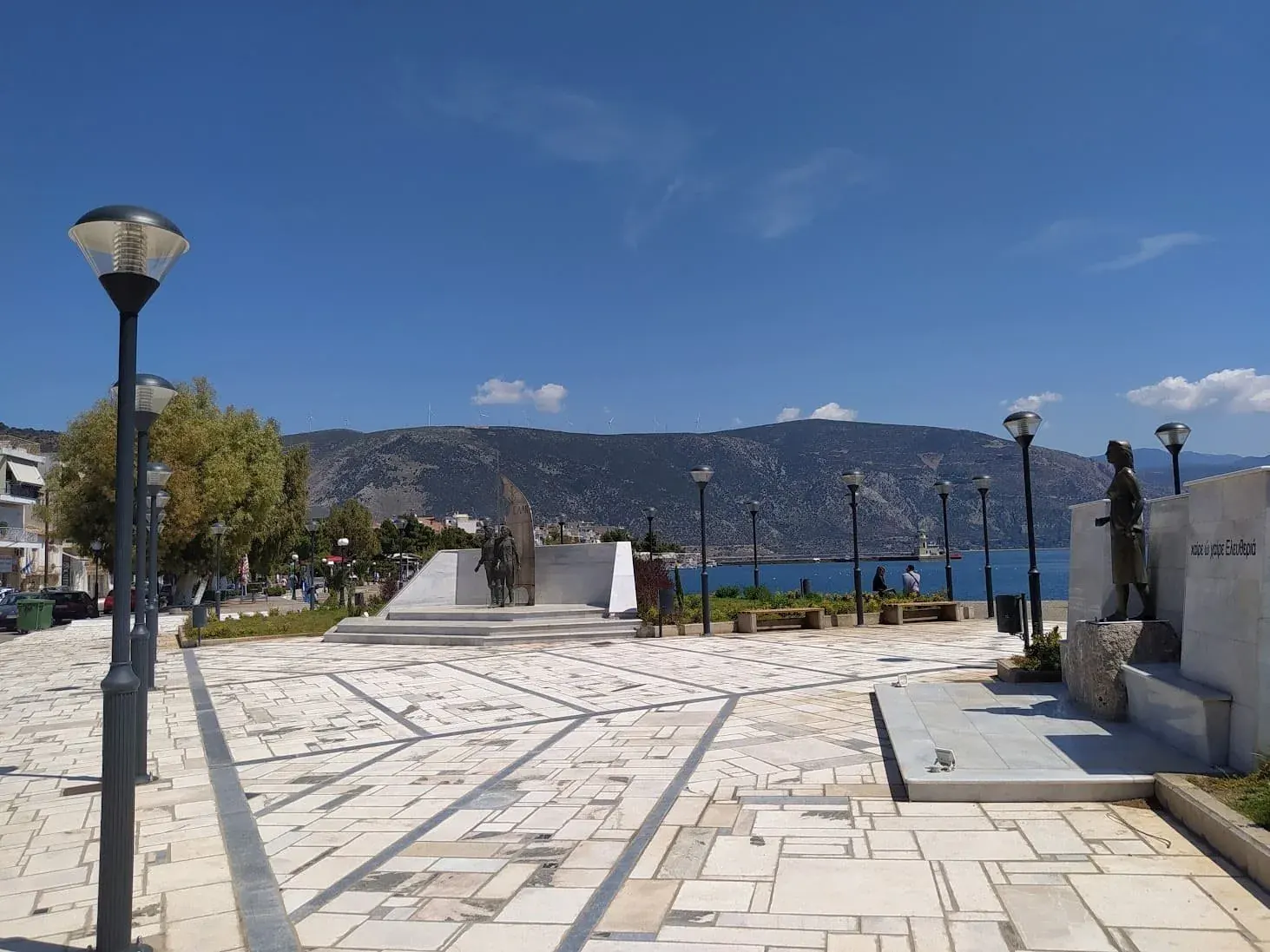
Day Trips from Your Livadia Base
Explore the guide →
Experiences in and around Livadia
Explore the guide →Practical Travel Guide to Livadia
Explore the guide →Visit Livadia · Rivers, food and stories of Central Greece