Chaeronea from Livadia
Visit Chaeronea from Livadia: the Lion of Chaeronea, the battle of 338 BC, the Sacred Band of Thebes, Philip II, Alexander, Plutarch and the museum.
Explore the guide ↓Start with the Lion, then give the neighbouring archaeological museum time of its own. Chaeronea brings together the battle of 338 BC, objects from everyday life in ancient Boeotia and a theatre cut into the hillside. It makes a rewarding day out from Livadia, paired with Orchomenos.
The Lion and the battle of 338 BC
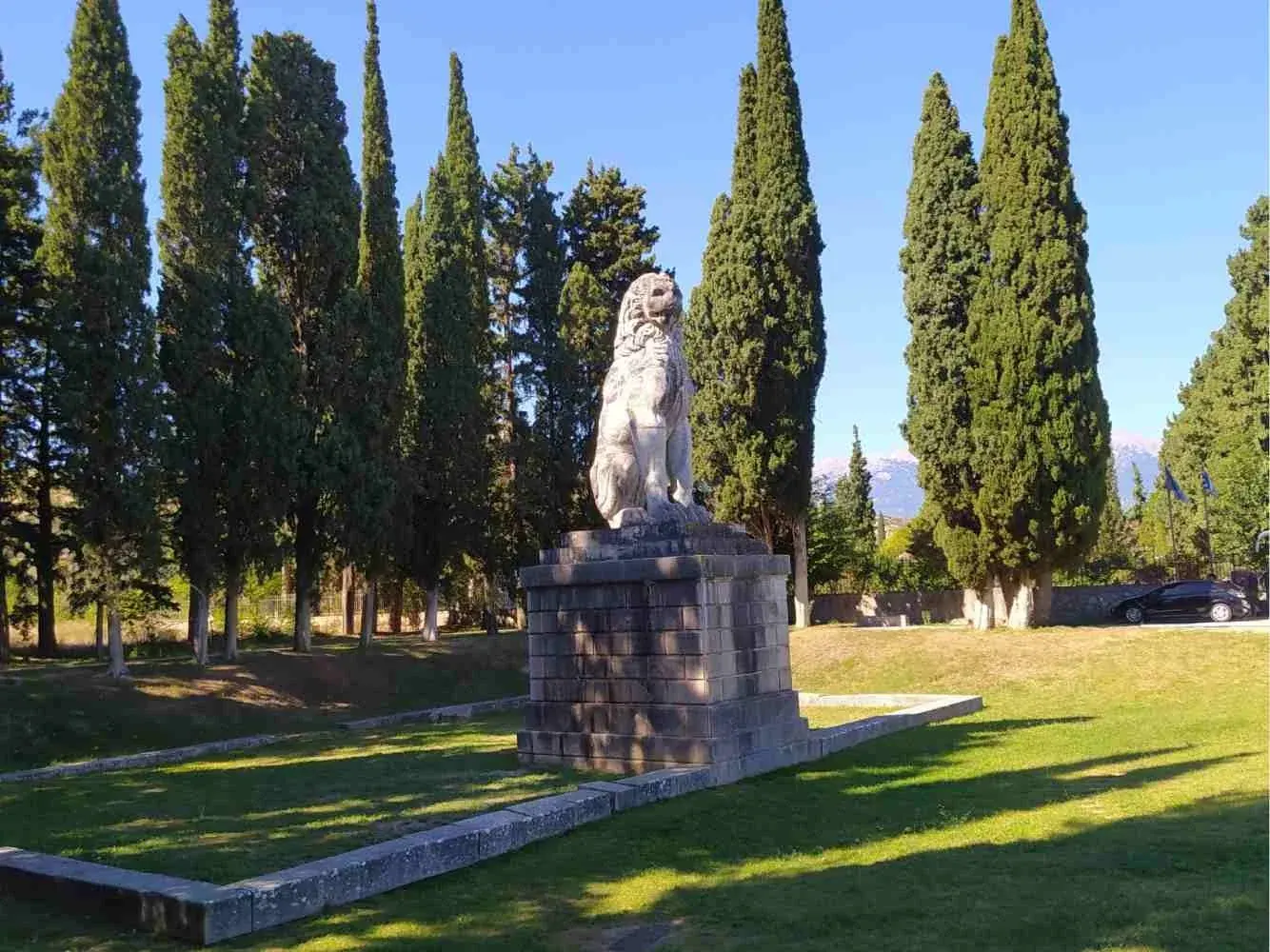
The marble Lion marks the burial of Theban soldiers killed when Philip II of Macedon defeated the allied Greek forces. Seeing the monument beside the open plain helps place the battle in its landscape. Continue with the story of the Lion and the Sacred Band.
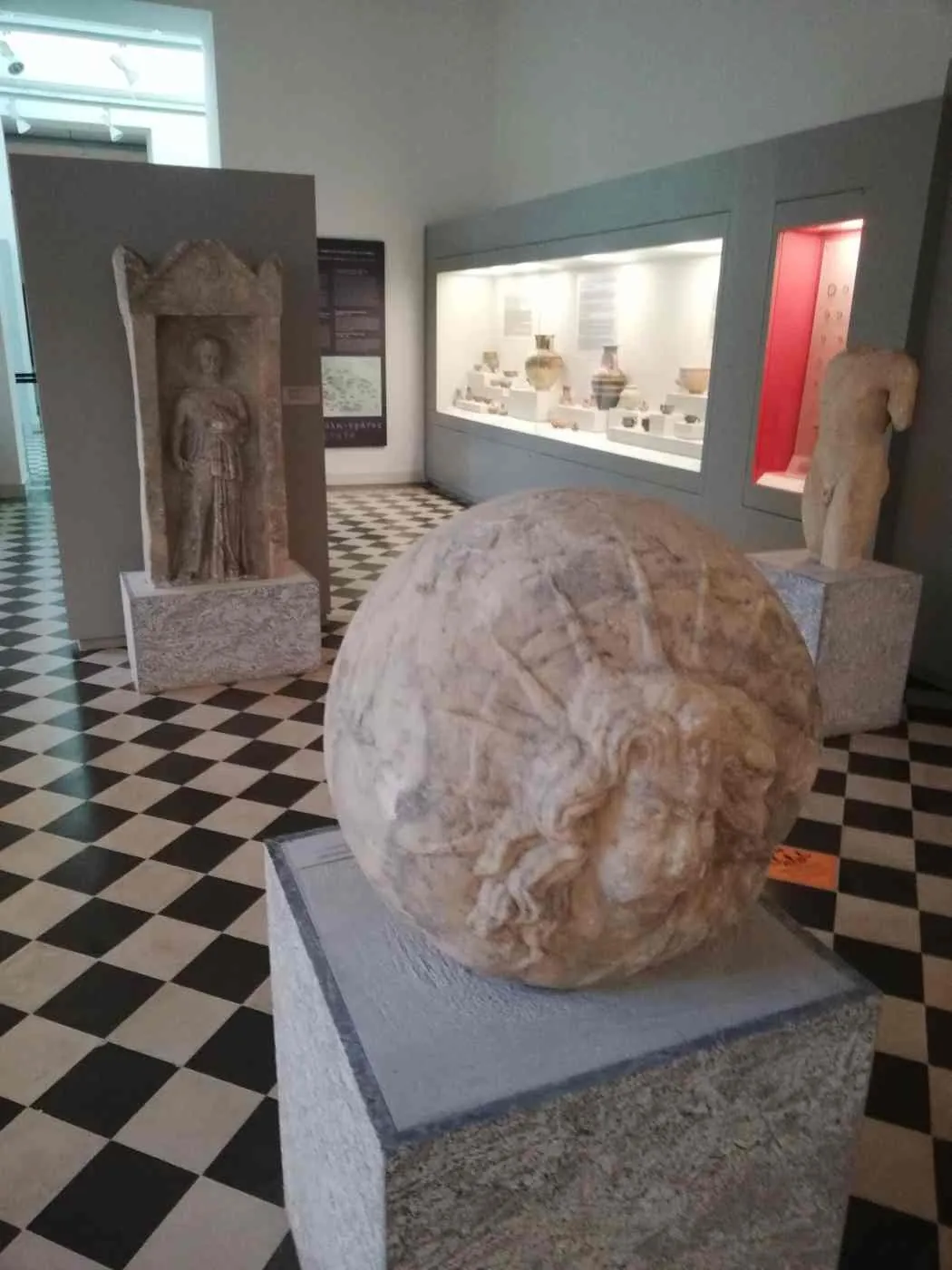
Inside the Archaeological Museum
The museum stands beside the Lion. Its collection reaches from prehistory to early Christian times, with weapons and small finds associated with the battle, Neolithic household objects, bronze vessels from Orchomenos, sculpture and coins. Look for the model of a Neolithic house: it brings the visit back to the lives people led beyond the battlefield.
The theatre in the rock
Continue into the settlement to the ancient theatre below the acropolis. Surviving seats are carved into the natural rock, making the setting part of the architecture. A stone fountain at the entrance dates to 1865 and incorporates ancient material. Follow the access arrangements and signs you find on site.
A place connected with Plutarch
Chaeronea is also associated with the writer Plutarch. Read Plutarch’s Chaeronea for another way to approach the town, through biography and ideas as well as military history.
Planning the day
Check the museum’s official visitor information before setting off; museum opening hours should shape the order of your day. You can call +30 22610 95270 to confirm the visit. Pair Chaeronea with Orchomenos, leaving room for lunch and the Springs of the Charites rather than treating every stop as a quick photograph.
For more on the rock-cut monument, see the official account of ancient Chaeronea.
Two battles, and lives beyond them
The Lion belongs to the battle of 338 BC and the Theban dead. Sulla’s campaign against the forces of Mithridates VI brought another battle to Chaeronea in 86 BC. Keep these events separate when reading about the region: they involve different armies, political worlds and monuments.
Inside the museum, balance the military story with objects from daily life. A vessel, coin or model house can make the people of ancient Boeotia feel closer than a battlefield overview. Continue with battles and remembrance around Livadia or return to town with time to discuss what you have seen over a meal.

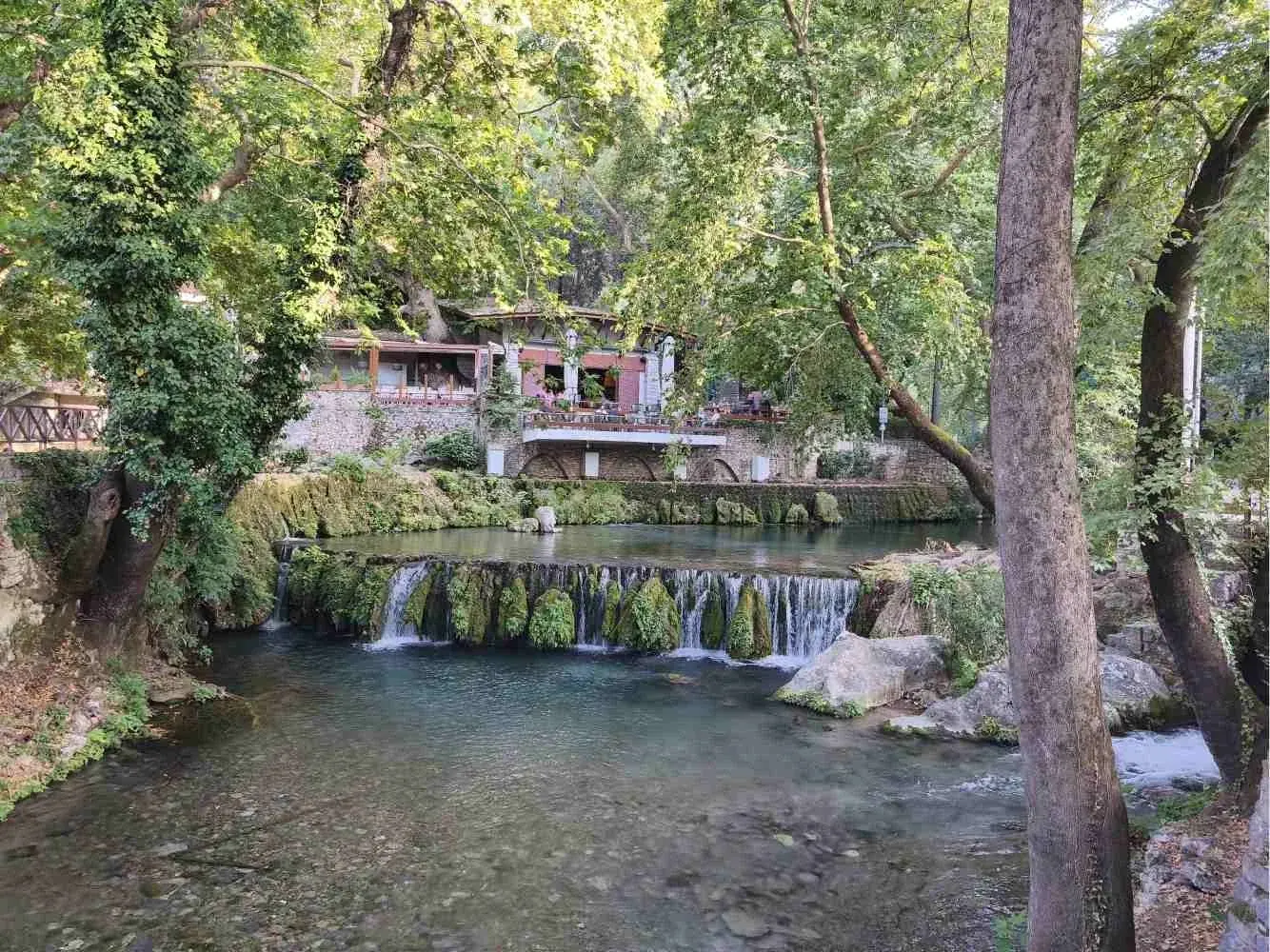
Follow the water in Krya
Plan a riverside walk during your time in Livadia.
Explore Krya →Keep exploring
The Lion of Chaeronea and the Sacred Band of Thebes
Explore the guide →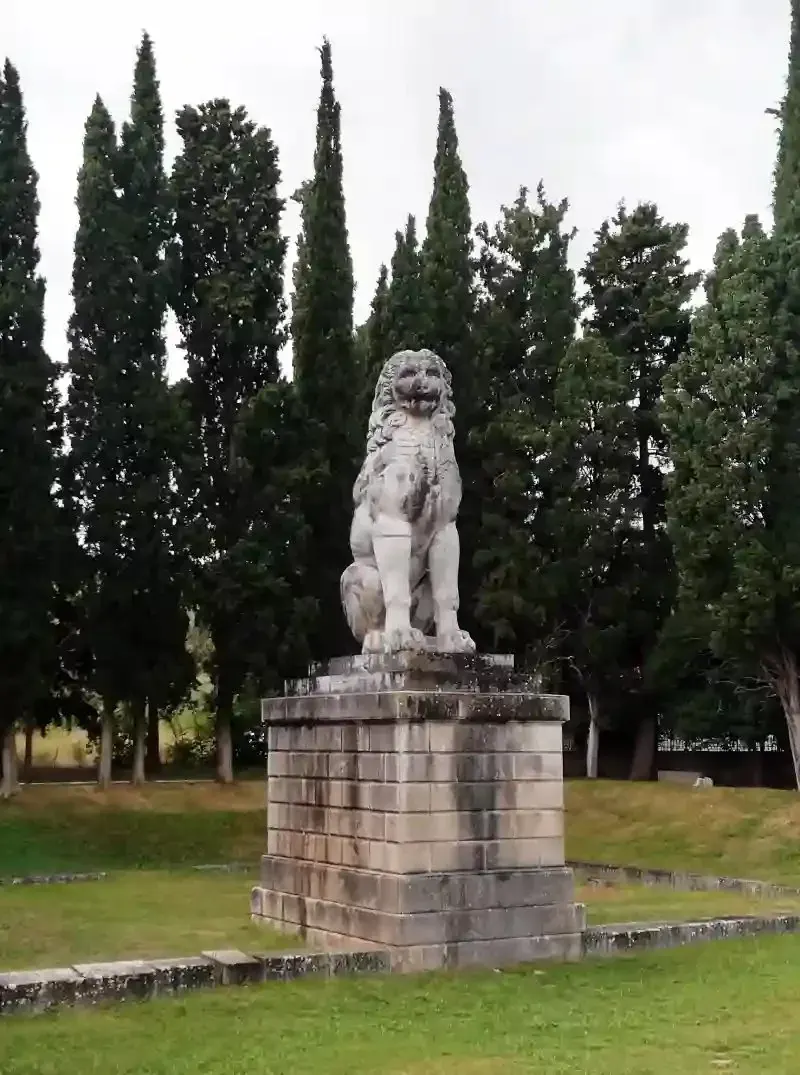
Plutarch’s Chaeronea
Explore the guide →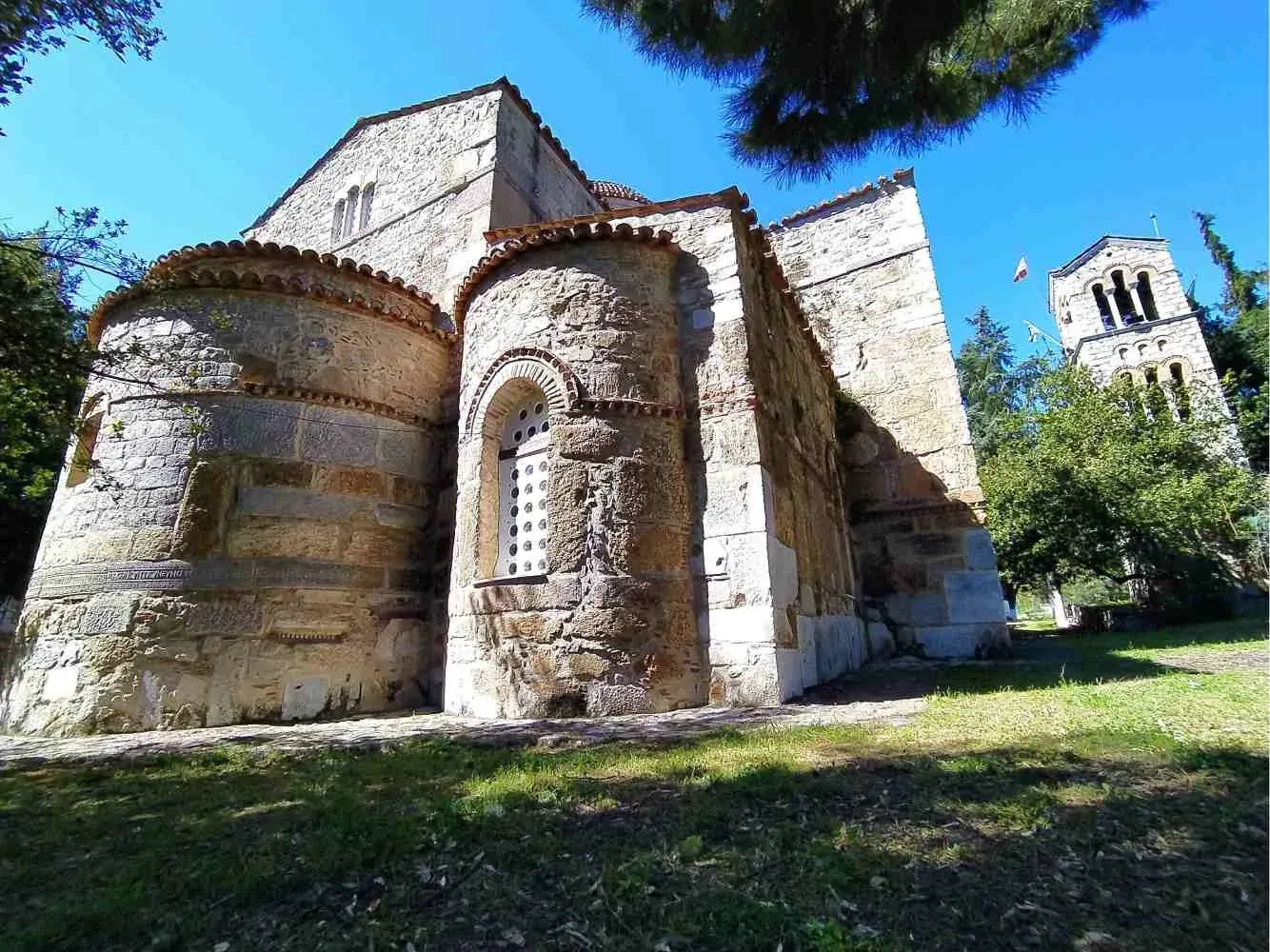
Orchomenos from Livadia
Explore the guide →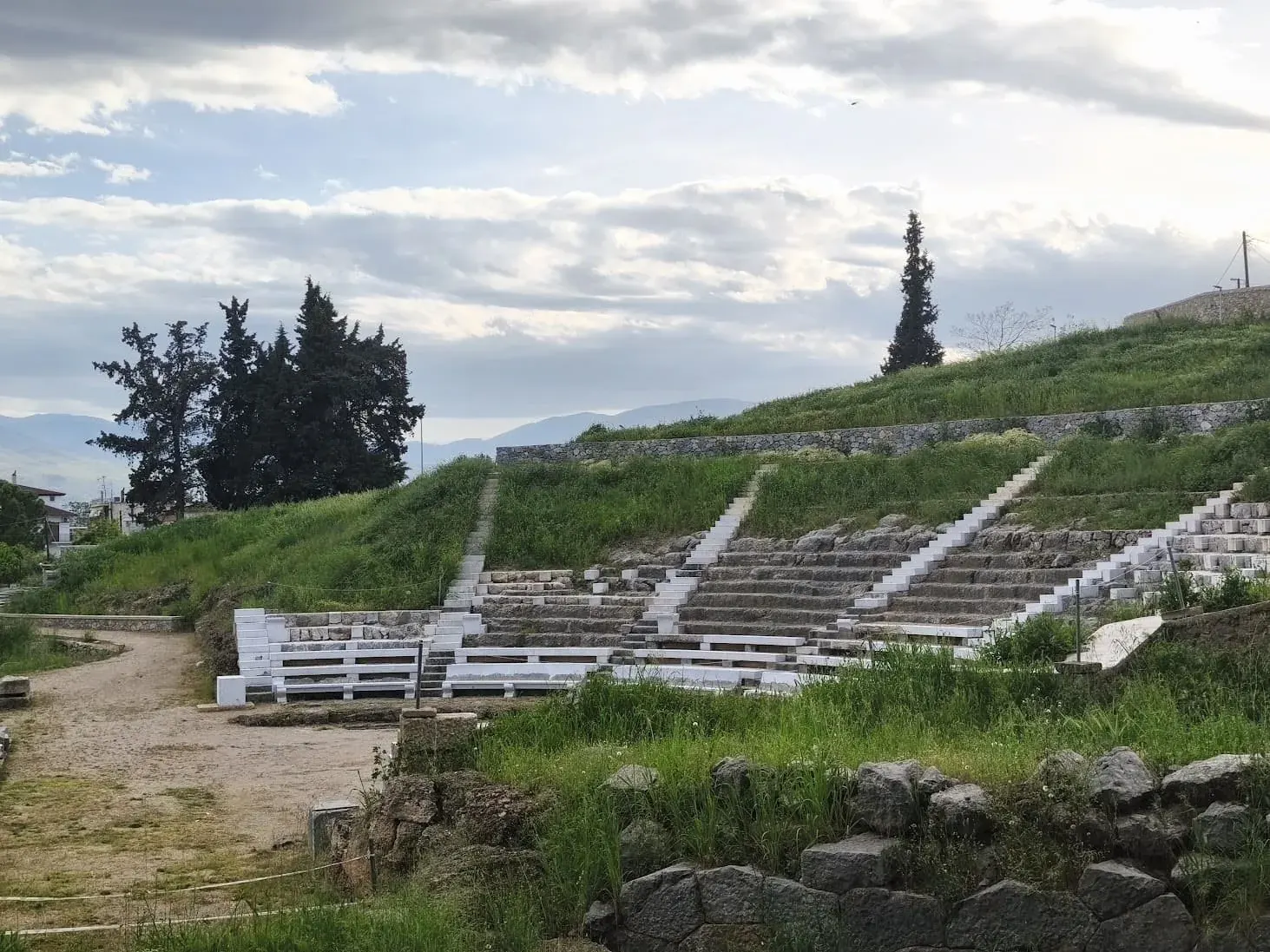
The Ancient Boeotia Route
Explore the guide →
Arachova and Delphi from Livadia
Explore the guide →Visit Livadia · Rivers, food and stories of Central Greece