Plutarch’s Chaeronea
Explore Chaeronea as the birthplace of Plutarch, one of antiquity’s great biographers and moral writers, and discover its deeper identity beyond the battlefield.
Explore the guide ↓Chaeronea is not only a battlefield. It is the birthplace of Plutarch (c. 46–119 AD) — one of the most widely read writers of antiquity, whose Parallel Lives shaped how European culture understood Greek and Roman history for nearly two thousand years.
Plutarch and the Parallel Lives
Plutarch’s Parallel Lives pairs Greek and Roman statesmen and soldiers — Alexander with Caesar, Pericles with Fabius, Theseus with Romulus — for comparative moral biography. The work stands as a foundational text of Western humanism, shaping writers as varied as Shakespeare and Montaigne, and the broader intellectual traditions of the Renaissance and Enlightenment.
A Local Writer
Plutarch was genuinely proud of his Boeotian origins. After his education and extensive travels, he returned to live in Chaeronea, served as a priest at nearby Delphi, and wrote with evident affection about his hometown and its traditions. The Chaeronea most visitors think of as a battlefield was, to Plutarch, simply home.
Battlefield and Birthplace
Visiting Chaeronea with Plutarch in mind transforms the experience considerably. The battlefield becomes also a place where the ancient Mediterranean’s most thoughtful biographer once walked, thought and worked — a combination of historical site and intellectual legacy rarely found together so directly.
Visiting Chaeronea
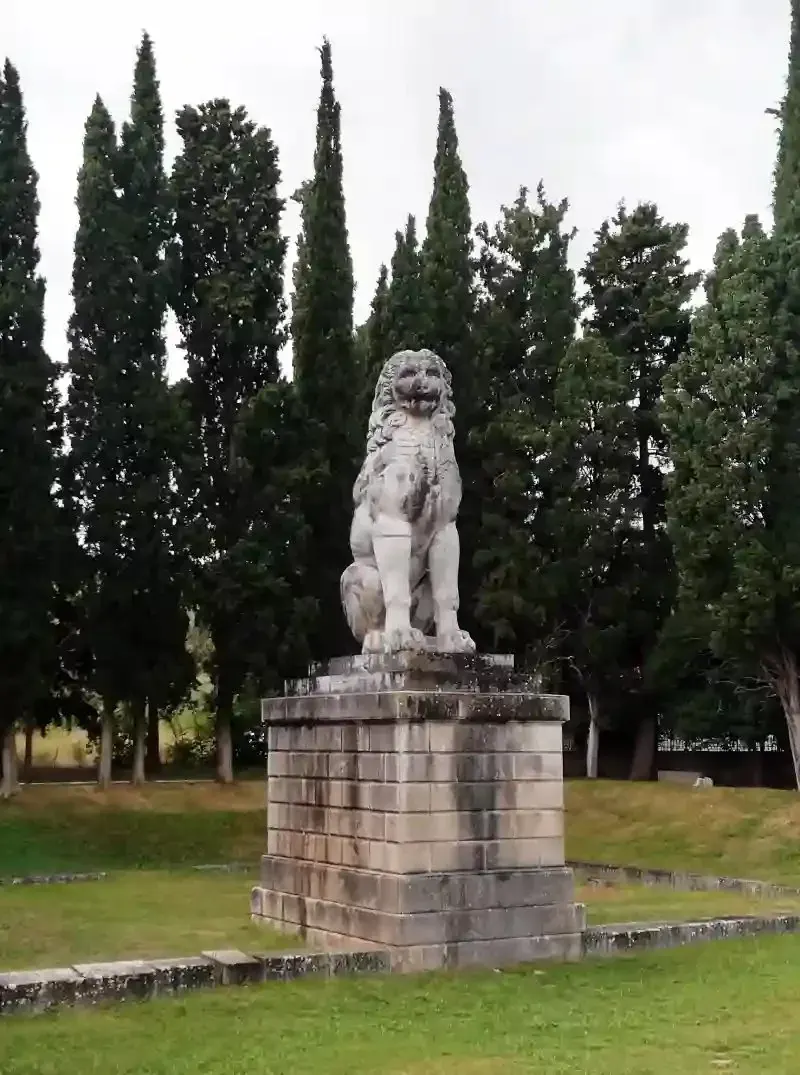
The connection to Plutarch adds depth to any visit focused primarily on the Lion monument and the battle of 338 BC — together they make Chaeronea one of the more intellectually rewarding stops on the Ancient Boeotia Route.
Discover the Thinker Behind the Battlefield
Chaeronea is remembered for its battle, but it was also home to Plutarch, whose Parallel Lives shaped two thousand years of Western thought about leadership, virtue and history itself. Visiting with this in mind transforms a field of war into the birthplace of one of antiquity’s most enduring minds.
Battlefield and birthplace of thought, held together in one quiet town.
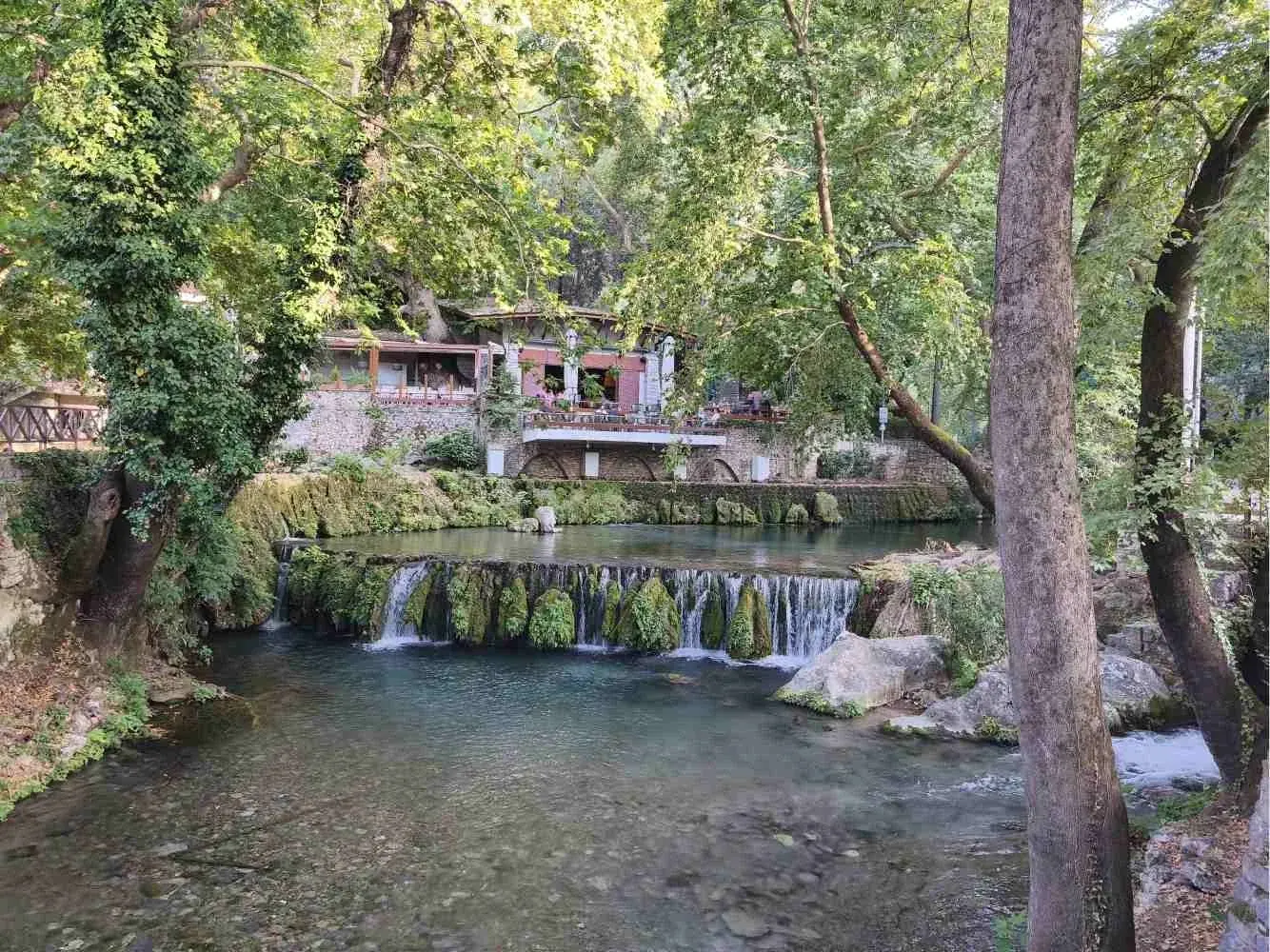
Follow the water in Krya
Plan a riverside walk during your time in Livadia.
Explore Krya →Keep exploring
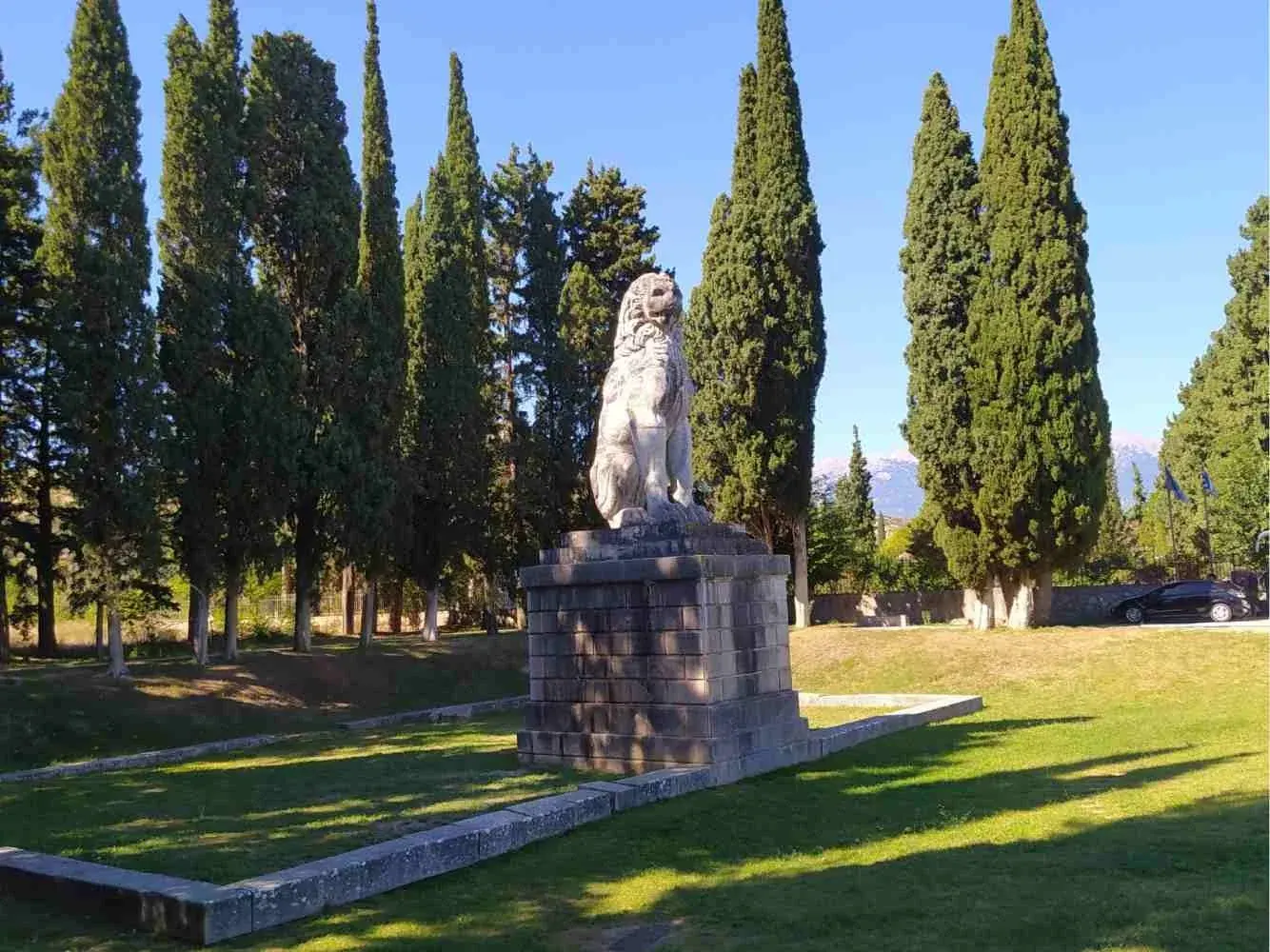
Chaeronea from Livadia
Explore the guide →The Lion of Chaeronea and the Sacred Band of Thebes
Explore the guide →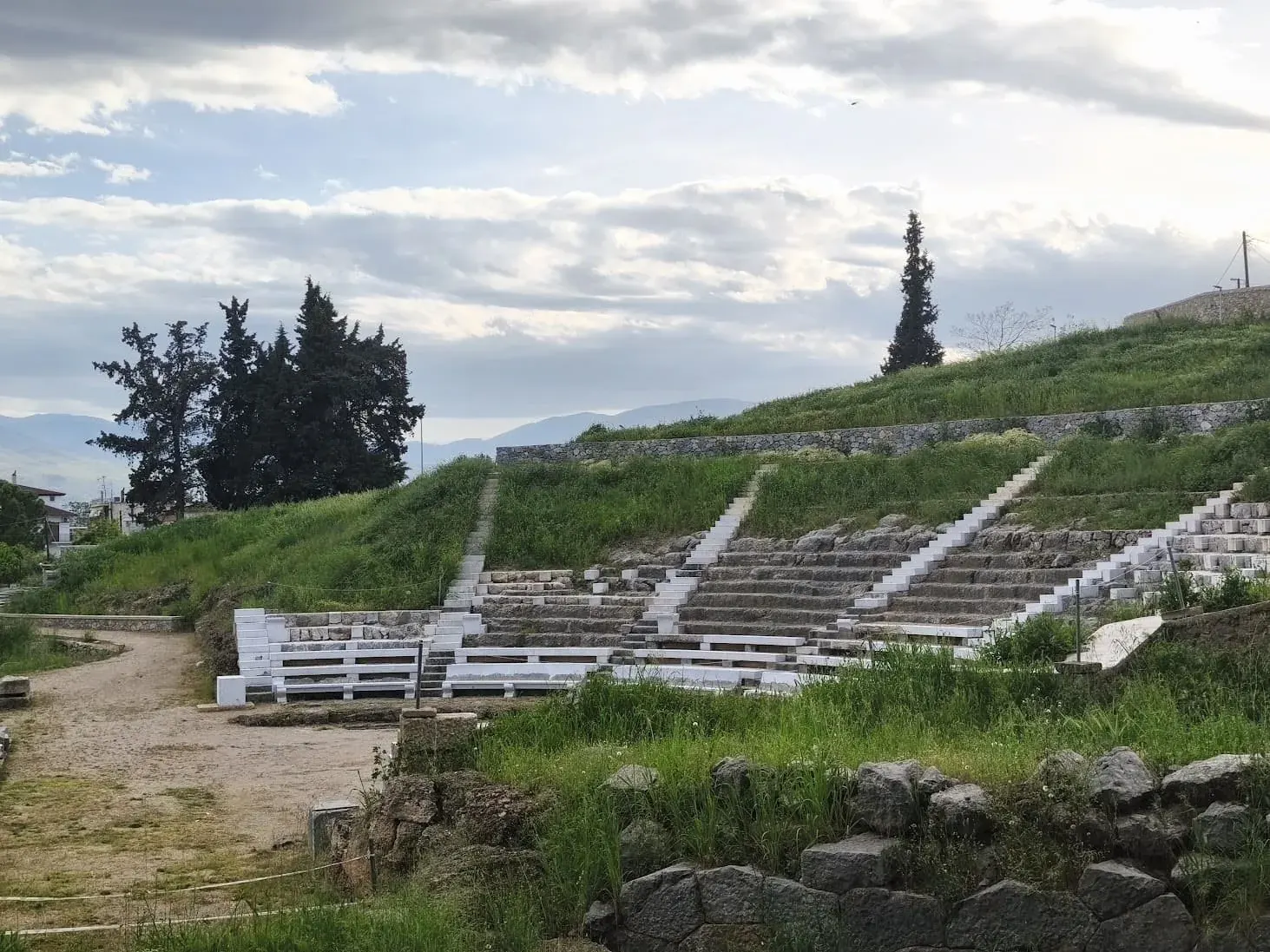
The Ancient Boeotia Route
Explore the guide →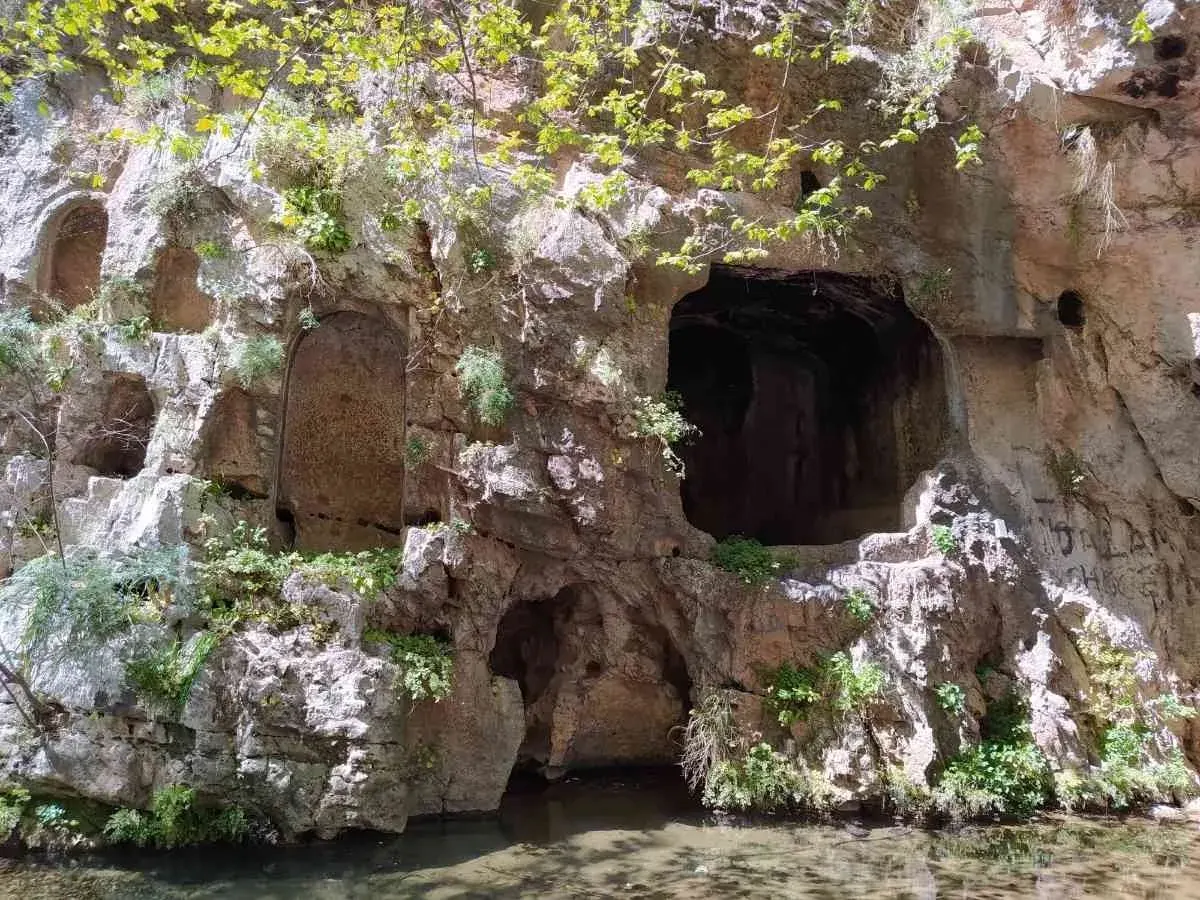
Livadia and Mythology
Explore the guide →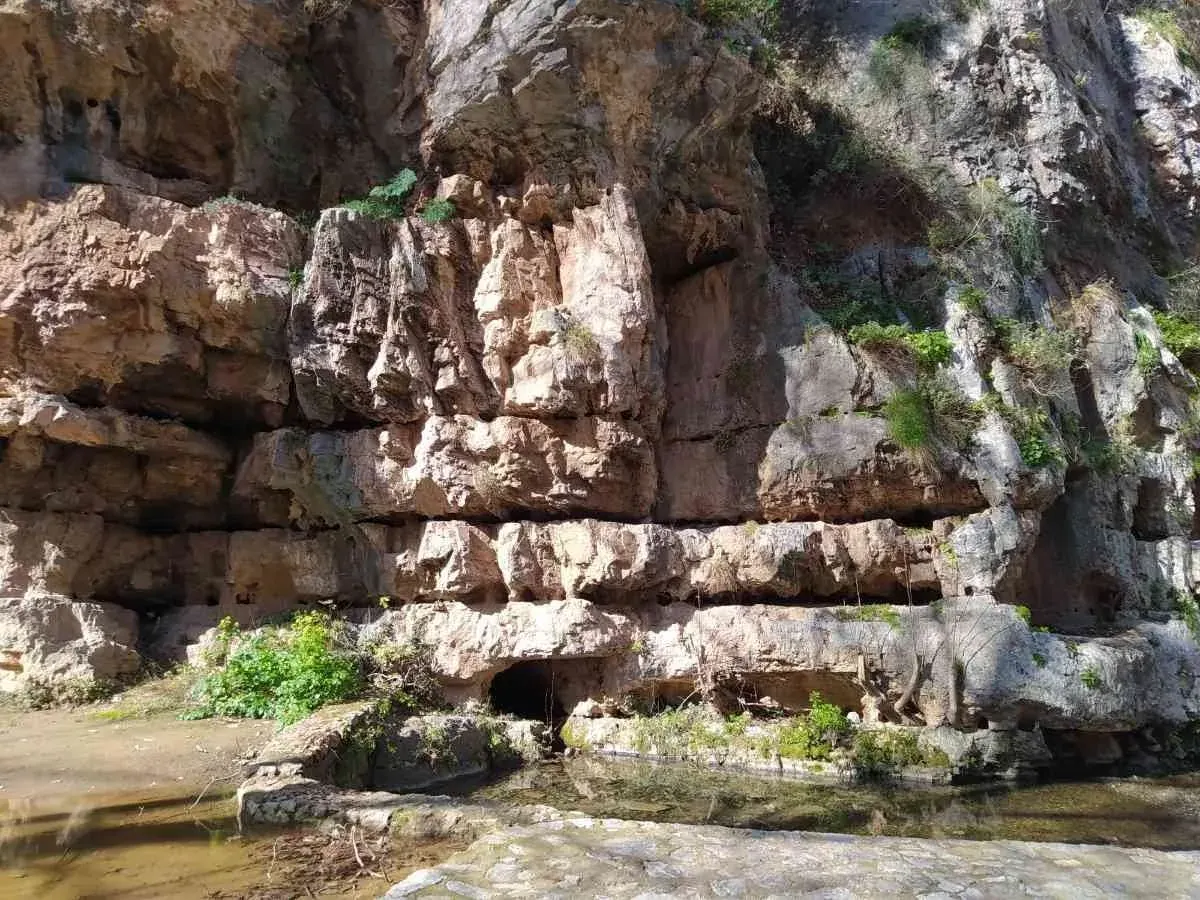
Myth vs History in the Livadia Region
Explore the guide →Visit Livadia · Rivers, food and stories of Central Greece